
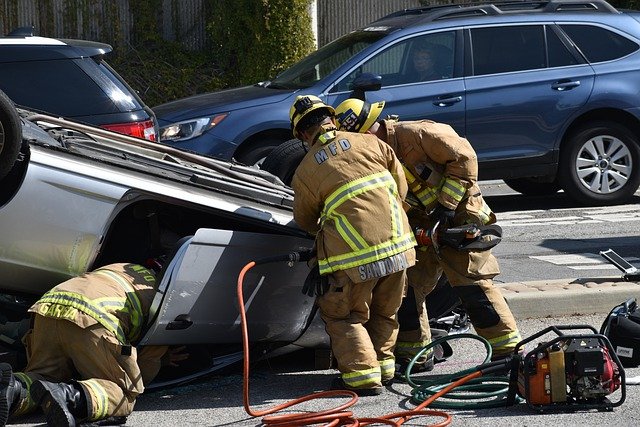
Roadways are the arteries of any community, connecting neighborhoods, workplaces, and essential services. When traffic incidents occur, the effects extend far beyond those directly involved. Disruptions in traffic flow can delay commutes, impact local businesses, and strain emergency response resources. Even minor incidents can cascade, causing congestion and stress for other drivers. Communities that experience frequent traffic disruptions often face challenges in maintaining a reliable transportation network, which can influence everything from school schedules to public service efficiency.
Local infrastructure is also affected by accidents. Repeated incidents at certain intersections may highlight underlying road design issues, inadequate signage, or insufficient lighting. Addressing these problems requires coordinated planning among city planners, law enforcement, and transportation authorities. By analyzing patterns in traffic incidents, communities can implement targeted solutions that improve safety, reduce delays, and minimize the ripple effects of collisions on daily life.
Car Accident Risks and Safety Considerations
According to a law firm, car accident risks are influenced by a combination of human behavior, vehicle condition, and environmental factors. Drivers may encounter hazards such as distracted motorists, adverse weather, or poorly maintained roads, all of which increase the likelihood of collisions. Even experienced drivers can be caught off guard, and the suddenness of these events underscores the importance of vigilance on the road. Communities with higher rates of traffic incidents often see a corresponding strain on emergency services and healthcare resources.
Vehicles themselves can play a significant role in safety outcomes. Factors like braking efficiency, tire quality, and structural integrity influence how a car responds in an emergency. When a collision occurs, the dynamics of the incident determine the severity of injuries and property damage. Promoting responsible vehicle maintenance, adherence to traffic laws, and awareness of common accident causes can collectively help reduce the frequency and impact of car accidents within communities.
Infrastructure and Urban Planning Considerations
The design and maintenance of urban infrastructure are crucial in preventing and mitigating traffic incidents. Well-planned intersections, effective traffic signaling, and clear road markings guide drivers and reduce confusion. Cities that invest in pedestrian-friendly streets and dedicated bike lanes often see a decrease in vehicle collisions. Urban planning decisions can either exacerbate or alleviate the risk of traffic incidents, making long-term design considerations a critical component of community safety.
Road maintenance is equally important. Potholes, uneven surfaces, and poorly drained areas can contribute to vehicle damage and loss of control, increasing the risk of collisions. Regular assessment of road conditions, timely repairs, and strategic improvements can prevent many common hazards. Infrastructure that is designed with both driver and pedestrian safety in mind creates a more resilient transportation network capable of accommodating growth and minimizing traffic disruptions.
Community Awareness and Preparedness
Public education and community engagement play a key role in traffic safety. Awareness campaigns about safe driving practices, speed limits, and the dangers of distracted driving help inform residents of their responsibilities on the road. Local organizations and schools often partner with authorities to provide workshops, safety demonstrations, and informational materials that foster a culture of caution and responsibility among drivers.
Preparedness extends beyond education. Emergency response protocols, access to first aid, and coordination among law enforcement and medical services are essential when incidents occur. Communities that prioritize readiness can reduce the negative consequences of car accidents, providing timely support to those affected and minimizing secondary disruptions such as traffic jams or property damage. Proactive measures empower residents to respond safely and efficiently when unexpected road incidents occur.
Policy and Regulatory Frameworks
Legislation and regulation form the backbone of traffic safety in any region. Speed limits, traffic signals, and vehicle inspection requirements are all intended to maintain order and reduce accidents. Enforcement of these policies ensures compliance and provides a deterrent against unsafe behavior. Local governments may also introduce targeted measures, such as traffic calming zones or stricter penalties for repeat offenders, to address specific safety concerns.
Policy extends to community planning and development. Zoning laws, road design standards, and funding allocations for transportation infrastructure all influence how effectively communities can prevent and manage traffic incidents. Policymakers rely on data from past accidents to identify problem areas and implement solutions that protect residents while supporting economic activity. Beyond regulations, communities are exploring innovative approaches such as smart traffic management systems, data-driven monitoring, and community reporting programs. These initiatives complement traditional legislation, allowing authorities to anticipate risks, optimize traffic flow, and adapt quickly to emerging hazards, creating a comprehensive framework that safeguards residents more effectively. Additional measures such as collaboration with insurance providers, public feedback on traffic conditions, and integration of real-time incident alerts help ensure that the regulatory framework evolves alongside changes in vehicle technology and traffic patterns.
Building Resilience Around Road Safety
A community’s ability to withstand and recover from traffic incidents is a measure of its resilience. Beyond immediate emergency response, long-term strategies involve continuous evaluation of risk factors, public engagement, and infrastructure improvements. Encouraging responsible driving habits, maintaining roads, and implementing policy measures collectively contribute to a safer environment that minimizes disruptions and protects lives.
Building resilience also involves integrating advanced planning and cross-sector collaboration. Communities can benefit from emergency drills, coordination between public and private stakeholders, and investments in technologies that monitor road conditions in real time. Public awareness campaigns combined with responsive infrastructure improvements ensure that residents are not only prepared for incidents but can adapt quickly when they occur. Further strategies include establishing local task forces that review accident trends, promoting alternative transport options to reduce congestion, and offering community-based incentives for adherence to safety practices. These additional steps reinforce the neighborhood’s capacity to respond efficiently and maintain stability in the face of road incidents.




Recent Comments