
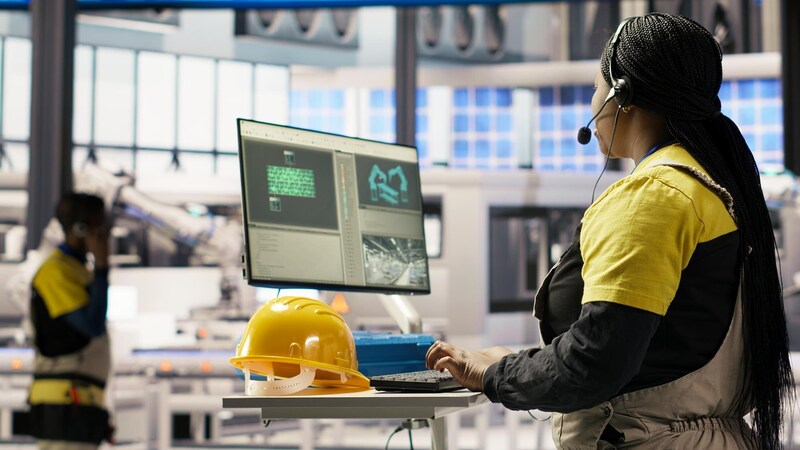
Engineering workflows are no longer constrained to the physical world and to mechanical performance or energy efficiency; they now rely on a digital foundation that connects design tools, building automation systems, construction management software, and operational technology.
A single cyber incident can delay construction timelines, damage BIM models, disable buildings’ systems, or compromise IP. Cybersecurity in engineering is more critical than ever. This article focuses on the specific cyber risks that matter to engineering teams and how cybersecurity fits into the modern engineering workflows across the complete project lifecycle.
Why Cybersecurity Now Directly Impacts Engineering Projects
For engineering firms, cybersecurity is no longer limited to protecting office networks and email; it also extends to design files, field devices, automation controllers, and cloud collaboration platforms, all while considering cyber risk alongside reliability, redundancy, and code compliance.
Rise of Connected Building Systems (BMS, IoT, Smart Equipment)
Modern smart building security consists of many interconnected systems that exchange data in real time. Building Management Systems (BMS), smart HVAC equipment, lighting controls, fire alarm monitoring, access control, and energy management platforms are all part of this interconnected web.
The explosive growth of IoT devices in commercial buildings creates additional supply chain risk. Many devices are shipped with default credentials or lack updating mechanisms. If mistakenly interconnected, a compromised device could serve as a launch pad for deeper penetration into the building’s networks.
Real Project Risks: Downtime, Data Loss, and Safety Exposure
Cyber incidents can directly disrupt the operations of engineering projects. In ransomware attacks, BIM models, commissioning documentation, and construction schedules can be locked.
Data integrity is also a problem, especially if design files or automation sequences are changed. Systems may operate outside their intended limits, creating problems for HVAC performance, balancing electrical loads, or preparing fire protection systems.
Safety exposure is a new engineering risk arising from the hacking threat. Life safety systems, such as fire alarm systems, smoke control systems, and emergency power control, rely on data integrity and communication reliability. If compromised, life safety systems might be delayed from initiating, disabled, or initiated inappropriately.
The Most Common Cyber Threats Facing Engineering Teams Today
Most incidents are not the result of a carefully planned attack. An engineering incident begins when a compromised endpoint, credential, or file is introduced during normal project activities.
Malware and Ransomware Targeting Engineering Workstations and BIM Files
Malware and ransomware often target engineering workstations because they house high-value project data and often specialized software. If attackers can infect one file sent between engineering teams via email, shared drive, or cloud platform, that infection can spread rapidly across project teams and through shared servers. This makes malware protection for engineers absolutely essential. For engineers tasked with understanding malware behavior and early warning signs, this topic is explained simply in technical breakdowns that demonstrate how infections spread through normal system activity. With a clear understanding of the subtle signs of success, teams can watch for poor performance on workstations, unexpected network traffic, or stolen behavior in software.
Rebuilding workstations, restoring backup files, and verifying that the damage hasn’t propagated can push project milestones and budgets out of shape.
Phishing and Credential Theft in Construction and Project Management Platforms
Phishing is still a common way to breach engineering firms. Construction and engineering projects use various shared platforms for document management, RFI tracking, scheduling, and submittals. If stolen, an attacker may have access to the project and keep it “invisible” and off the radar for a long time.
Engineering teams often work under time pressures, increasing the chance of clicking on malicious links or approving fraudulent requests. Attackers impersonate legitimate project communications, such as payment requests, drawing updates, or subcontractor documentation submissions.
Supply Chain Cyber Risk From Vendors, Subcontractors, and Software Integrations
Engineering work relies on a dense ecosystem of vendors, subcontractors, and software used internally or explicitly for design. With each contact point comes cyber exposure; even at a secure engineering firm, vulnerabilities may be introduced through third-party access or through pathways back to their partners.
Many engineering tools require plugins, cloud integrations, and links to external data. Whether approved or unapproved, these integrations and connections may introduce hidden risks to software environments.
Cybersecurity in MEP, Fire Protection, and Smart Building Infrastructure
Construction cybersecurity and engineering risks must be evaluated alongside system redundancy, fail-safe design, and code requirements. Network architecture, access control, and firmware management are becoming engineering design considerations, not just IT responsibilities.
Securing BAS, SCADA, and Fire Alarm Networked Systems
Building Automation Systems (BAS) and SCADA-based infrastructure are increasingly running over IP networks, many of which connect to the enterprise footprint or remote monitoring services. While this improves visibility of critical operational information, it also increases exposure to cyber events.
Engineering design must also include how to segment the operational technology from the corporate IT network. Secure remote access, device authentication, and firmware update management are all key pieces of good design.
Fire alarm systems, too, are trending toward network-enabled monitoring and integration with other building systems. It is the engineer’s responsibility in this case to ensure that the networked fire alarm infrastructure preserves system integrity, avoids unauthorized configuration changes, and maintains the reliability of alarm communications in real time.
Cyber Risk to Life Safety Systems and Regulatory Considerations
Cyber hygiene directly impacts life safety performance. Should communication networks fail or control systems be compromised, emergency systems may not operate as needed. This poses a risk to occupants and a liability exposure for building owners and engineering teams.
Engineering firms should document access control policies, system hardening procedures, and incident response procedures, in coordination with building operators, among others. In a world where buildings themselves are “smart”, expecting people to understand the security ramifications of building systems may risk the project.
What Engineering Firms Must Implement Now (Practical Actions)
Engineering data protection now needs to be viewed as an infrastructure requirement at engineering firms, with project owners, insurers, and regulators expecting firms to demonstrate cyber risk management across design data, OT, and field connectivity. NIST frameworks are even influencing building system design, commissioning, and operations.
The most critical cybersecurity actions engineering firms must implement immediately include:
- Network segmentation: separating operational tech from corporate networks.
- User, device, and software connection identity validation.
- Endpoint detection coverage across engineering workstations and field devices.
- Strict vetting of plugins, integrations, and vendor tools.
- Secure storage and transfer of design files and commissioning data.
- Ongoing patch and firmware update management for building systems.
- Cybersecurity awareness training tailored to engineering and construction workflows.
- Formal cyber incident response procedures integrated into project execution.
Final Thoughts
There is no escaping it: cybersecurity is an integral part of contemporary engineering execution. As buildings become more connected and project delivery more automated, teams must regard cyber risk as part of overall system reliability and safety design and long-term asset performance.
Even a growing presence of malware in construction tech shows how unprotected connected project tools, field devices, and smart building systems can be. Engineering firms that design with cybersecurity across design standards, construction workflows, and building operations will be better able to protect projects, clients, and occupants as digital infrastructure expands.




Recent Comments