Maryland Reporter

Funding for opioid emergency less than expected in Hogan budget

Funding for opioid emergency less than expected in Hogan budget

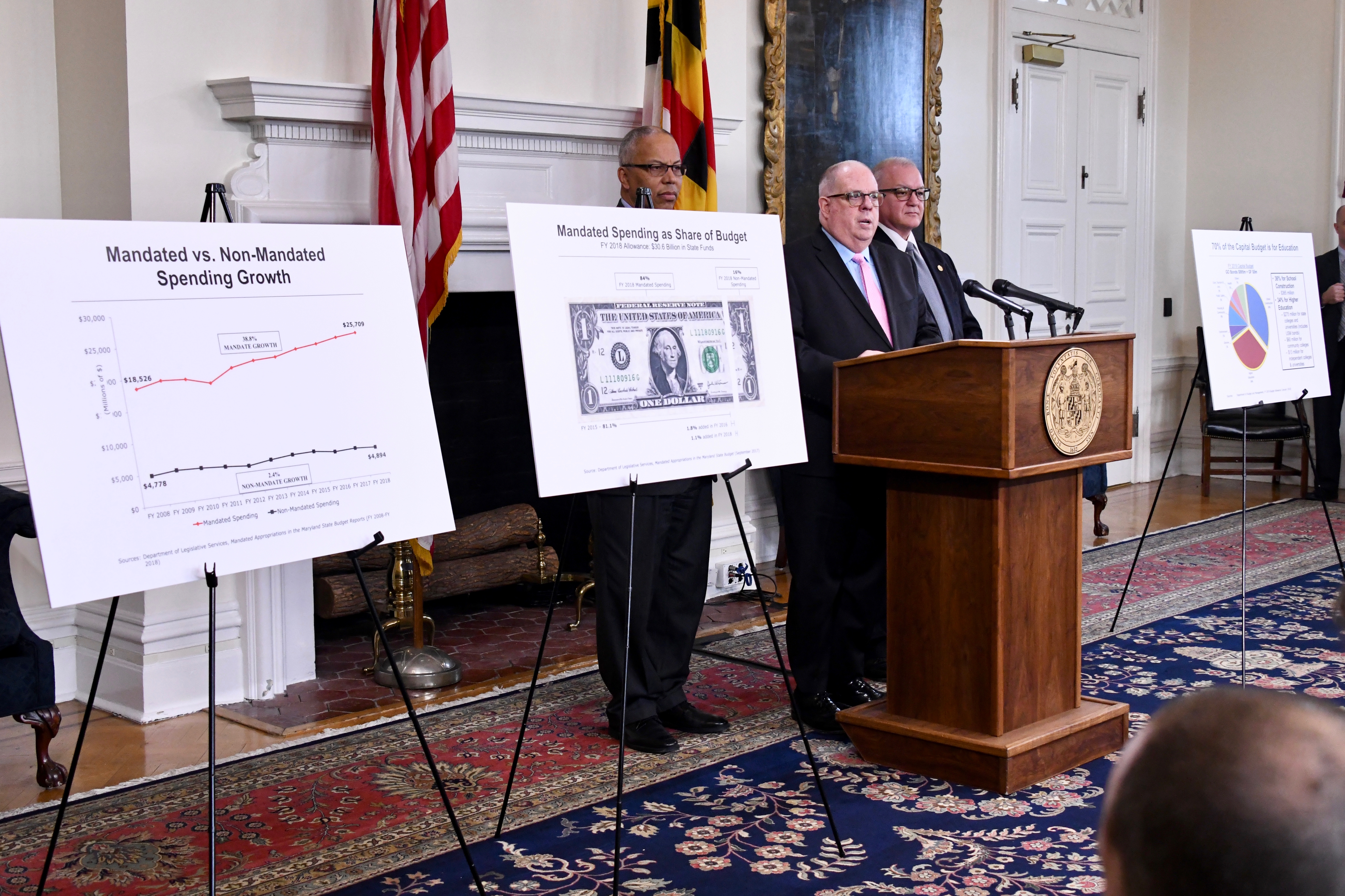
From kindergarten to graduate school, education clearly is Gov. Larry Hogan’s priority in this election year. The proof is spelled out in his administration’s $44.4 billion operating budget for FY 2019 delivered to the Maryland General Assembly Wednesday. To the chagrin of health professionals and advocacy groups, new funding for Maryland’s opioid “state of emergency,” declared by Hogan last March, is not as hefty as expected. The state’s upward trend in fatal and non-fatal overdoses began in 2010, and between 2015-16 deaths soared 66%, the highest per capita increase in the nation.

Bay Barometer finds things keep looking up

Bay Barometer finds things keep looking up

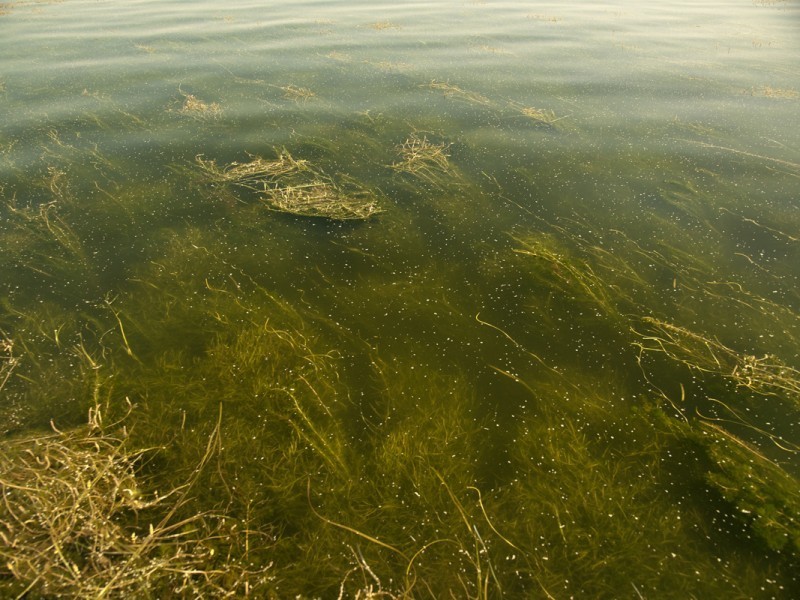
The wintry weather may have been frightful, but the latest Bay Barometer is pointing in a generally positive direction. The annual report released by the federal-state Chesapeake Bay Program trumpeted continued gains in the long-running effort to restore the estuary, with new highs reached last year in fish passage, water quality and blue crab and underwater grass abundance.

Gonzales poll: Hogan still gets high marks, but support falls off for reelection bid

Gonzales poll: Hogan still gets high marks, but support falls off for reelection bid

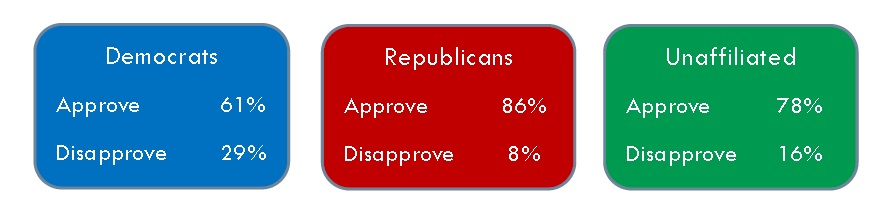
Among Maryland voters, 71% approve of the job Larry Hogan is doing as governor (41% “strongly” approve and 30% “somewhat” approve), while 21% disapprove (13% “strongly” disapprove and 8% “somewhat” disapprove), and 8% offered no opinion. When matched against the top three Democratic contenders, Hogan enjoys a double-digit lead but does not crack the 50% mark against any.

Saving Md. forests again on State House environmental agenda

Saving Md. forests again on State House environmental agenda

As they return to their chambers this month, state legislators across the Chesapeake watershed face some of the same Bay-centric environmental issues they’ve seen before. In Maryland, they’ll debate what more, if anything, should be done to conserve the state’s forestland from development and whether air pollution from chicken houses deserves a closer look.

Follow-up: Baltimore scrapyard settles enforcement action, agrees to curb polluted runoff

Follow-up: Baltimore scrapyard settles enforcement action, agrees to curb polluted runoff

A Baltimore metal recycling business has agreed to pay a $50,000 penalty and upgrade stormwater pollution controls at its facility near the harbor to settle a string of alleged violations first discovered by Maryland regulators nearly two years ago. In a settlement agreement released Thursday, Baltimore Scrap Corp. pledged to submit a “site improvement plan” within 60 days for reducing polluted runoff from its scrapyard.

Environmental groups say Conowingo Dam owner can afford to help restore Bay

Environmental groups say Conowingo Dam owner can afford to help restore Bay

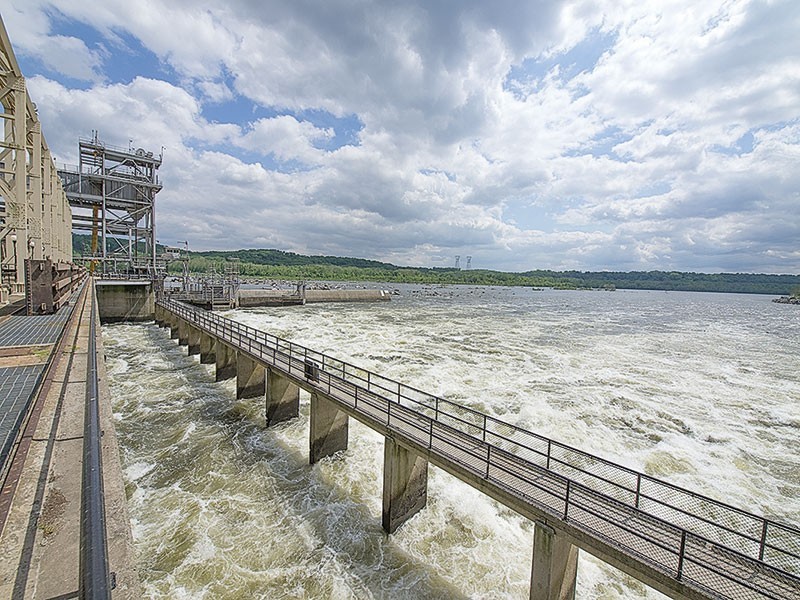
Exelon Corp. could help restore the lower Susquehanna River and Chesapeake Bay by changing the way it generates electricity at Conowingo Dam, and still make a “healthy” profit, a pair of environmental groups reported this month. The Chesapeake Bay Foundation and The Nature Conservancy released a study they jointly commissioned that finds that the Chicago-based energy company could easily afford to mitigate the impacts Conowingo is having on downriver fish habitat and water quality.

Reducing crime in Baltimore, block by block

Reducing crime in Baltimore, block by block

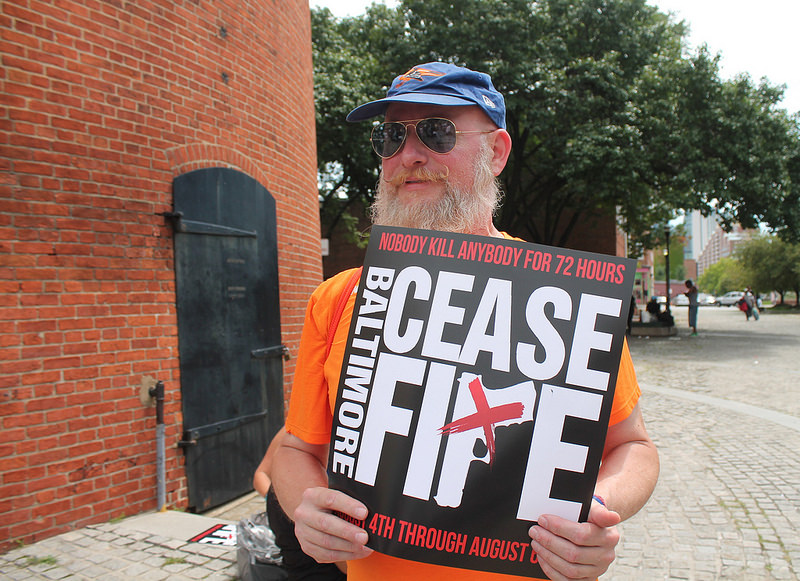
Confronting the most violent criminals in Baltimore is vital, but the homicides and shootings are only the most extreme expression of a much broader wave of crime gripping the city. To address this broader challenge, Baltimore City and the state of Maryland should begin working together to empower grassroots, citizen-led solutions to crime and violence, tapping into the creativity of our citizenry to implement solutions at the family, block and neighborhood level., writes Nate Loewentheil in this commentary.

Low-income Marylanders benefit from energy efficiency

Low-income Marylanders benefit from energy efficiency

This past weekend we found out winter is here – and with it comes cold drafts of air in homes and apartments across Maryland. Leaky windows, aging HVAC systems, and poorly insulated buildings will mean too many low-income families can’t keep the warm air in and the cold air out. The good news is Maryland’s Department of Housing & Community Development has a new plan to add energy efficient upgrades in 14,000 homes and apartments for low-income families through 2020. The Public Service Commission can make the program even better.