
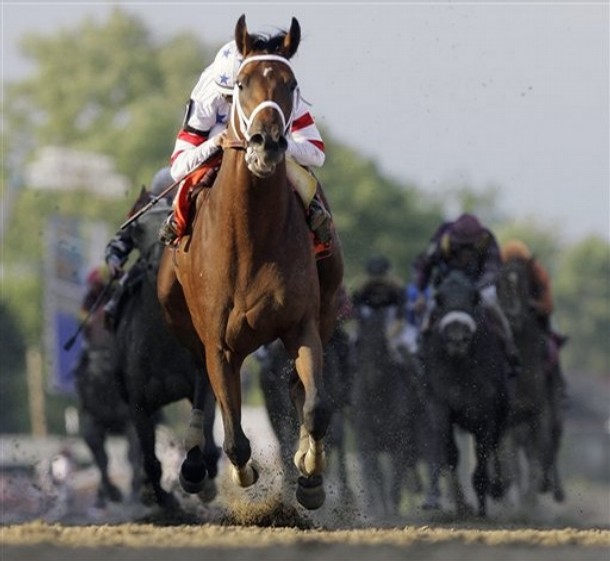
Maryland now owns the Preakness. Outright. The state finalized an $85 million purchase of the rights to the race and the Black-Eyed Susan Stakes, and the money didn’t come from the general fund. It came through revenue bonds, a financing structure more familiar to stadium authorities than horse tracks, as Bond Buyer laid out shortly after the deal closed. That’s a big bet on a 150-year-old race by a state that just spent months fighting over redistricting and budget gaps.
Here’s the part nobody at the press conference mentioned. A growing share of the money riding on that race every May isn’t touching a mutuel window at all.
Talk to anyone under 40 who bets the Triple Crown seriously and the conversation shifts fast, from track odds to on-chain settlement, from cashiers to wallets. The state bought a legacy asset. The betting public is already three steps ahead of it.
Why the Money Is Moving Off the Rail
Traditional pari-mutuel wagering has one structural problem crypto never had: everyone’s bet changes the payout for everyone else. Odds drift as the pool fills. You place a bet at 8-1 and by post time it’s 5-1, and there’s nothing you can do about it. Younger bettors, raised on fixed-odds sports betting apps, find that maddening.
Fixed-odds and peer-to-peer crypto platforms solve it differently. The number you see is the number you get, locked at the moment you place the wager. Yahoo Sports reported on how algorithmic betting products have already reshaped Kentucky Derby wagering, and the same pressure is building around the Preakness now that Maryland owns it outright and has real incentive to modernize the wagering side of the business.
For bettors chasing that fixed-odds structure without a US retail sportsbook account, the shift lands on decentralized and crypto-native platforms instead. I’ve spent enough time in Discord servers built around Triple Crown betting to know the pattern. Someone posts their Pimlico ticket, someone else posts a USDT wager slip from an offshore book, and within a few replies somebody’s asking for tips on crypto gambling sites because they don’t want to get burned on a platform that vanishes after the race.
That caution is earned. Blockchain analytics firm TRM Labs found that crypto gambling volume hit roughly $14 billion in Q1 2026 alone, even with a broader market correction dragging on token prices. Money is pouring in faster than most bettors can vet where it’s going.
What Actually Changed at Pimlico
Talk to the old guard and they’ll tell you handle is handle, cash is cash, nothing’s really different. That’s not quite true anymore.
Three things shifted this cycle. First, ownership. The Maryland Jockey Club used to run the show under Stronach Group control; now it’s the state, via the Maryland Stadium Authority, calling the shots on grandstand renovation. Second, the calendar. The Preakness date itself is moving, with the 2027 race shifting to the fourth Sunday of May, 22 days after the Kentucky Derby instead of the traditional two-week gap. Third, and this is the one nobody in Annapolis wants to talk about publicly: a widening slice of futures and prop action on the race is settling in stablecoins, not dollars.
None of that shows up in the state’s own handle figures. Maryland’s own numbers back this up in a roundabout way. The state’s July sports wagering handle hit $496 million, a sharp jump over the prior year, but that figure only counts licensed in-state operators. It says nothing about the parallel market running through offshore books and crypto rails, which by definition sits outside any state’s reporting requirements.
Why Younger Bettors Reach for Stablecoins First
I put £50 into a stablecoin wallet before this year’s Belmont undercard, mostly out of curiosity about clearance times rather than any grand strategy. The deposit confirmed in under 40 seconds. Withdrawal, when I cashed out two days later, took closer to six minutes, slower than the deposit but still faster than any bank transfer I’ve ever run through a sportsbook.
Speed isn’t even the main draw for most people doing this, though. It’s the absence of a middleman asking questions. No bank flagging the transaction as gambling-related. No three-day hold while a compliance team reviews an unusual deposit pattern. For bettors who’ve had a card declined mid-tournament weekend because a bank’s risk model didn’t like the merchant category code, that friction disappearing matters more than the six seconds.
There’s a downside nobody advertises. Anonymity cuts both ways. A platform with no KYC and no licensing body backing it can vanish with your balance and there’s no regulator to call. That’s exactly why vetting matters more here than in traditional sports betting, and why serious crypto bettors lean on curated guides rather than whatever platform shows up first in a Google search.
The Regulatory Blind Spot
Maryland lawmakers spent a chunk of this year’s session on prediction markets, not crypto casinos, arguing over whether platforms like Kalshi count as gambling under state law. Casino Beats reported this week that a Washington judge ordered Kalshi to halt access entirely while Baltimore pursues its own suit against the company. That fight is consuming the regulatory bandwidth that might otherwise go toward crypto gambling oversight.
Crypto sportsbooks and prediction markets exist in genuinely different legal categories, but the enforcement attention is lopsided. One is getting court orders and city lawsuits. The other is operating in a gray zone nobody in Annapolis is actively policing, largely because it doesn’t touch a Maryland bank account or a Maryland-licensed operator at any point in the transaction chain.
That gap won’t close on its own. Every dollar (or every USDT token) that moves through an offshore crypto book is a dollar the state’s new $85 million racing investment never sees, and a dollar state regulators have no visibility into if something goes wrong.
What This Means for Preakness 2027
The state now has real financial skin in making the Preakness bigger, not smaller. A rescheduled date, closer to Belmont, is designed to build a made-for-TV Triple Crown stretch that keeps casual viewers tuned in longer. More viewers usually means more betting interest.
The open question is which rail captures that growth. Maryland’s licensed sportsbooks will get some of it. The track’s own pari-mutuel pools will get some too. But if the last two years are any indication, a meaningful and growing slice will land somewhere the state’s $85 million never touches at all.
FAQ
Did Maryland actually buy the Preakness outright? Yes. The state finalized an $85 million purchase of the rights to the Preakness Stakes and the Black-Eyed Susan Stakes in July 2026, financed through revenue bonds rather than the general fund, putting the Maryland Stadium Authority in a controlling ownership position going forward.
Why is the 2027 Preakness moving to a later date? The Maryland Jockey Club is shifting the race from its traditional third-Saturday-in-May slot to the fourth Sunday, placing it 22 days after the Kentucky Derby instead of two weeks. The goal is a more spaced-out, TV-friendly Triple Crown calendar.
Is crypto gambling legal for Maryland horse racing bettors? It sits in a gray area. Maryland regulates in-state licensed sportsbooks and racetracks directly, but offshore crypto platforms fall outside that jurisdiction. Bettors use them at their own risk, with no state-backed recourse if a platform fails to pay out.
Why are younger bettors moving toward crypto for Triple Crown races? Fixed-odds settlement, faster deposits, and no bank interference are the big three. Pari-mutuel odds drift as pools fill, which frustrates bettors used to locking in a price. Crypto and offshore fixed-odds books solve that at the cost of losing regulatory protection.
Does Maryland’s sports betting handle include crypto wagers? No. The state’s reported handle, including July’s $496 million figure, only counts licensed in-state operators. Offshore and crypto-based wagering activity isn’t captured in those numbers at all, meaning actual betting volume on races like the Preakness is likely higher than official figures suggest.
Whatever happens with the rescheduled date or the next legislative session, one thing is clear before next May: Maryland now owns the Preakness, but it doesn’t own where the betting money actually flows. Gambling involves risk. Please play responsibly and only wager what you can afford to lose. If you feel gambling is becoming a problem, visit BeGambleAware.org or call 1-800-GAMBLER.





Recent Comments