
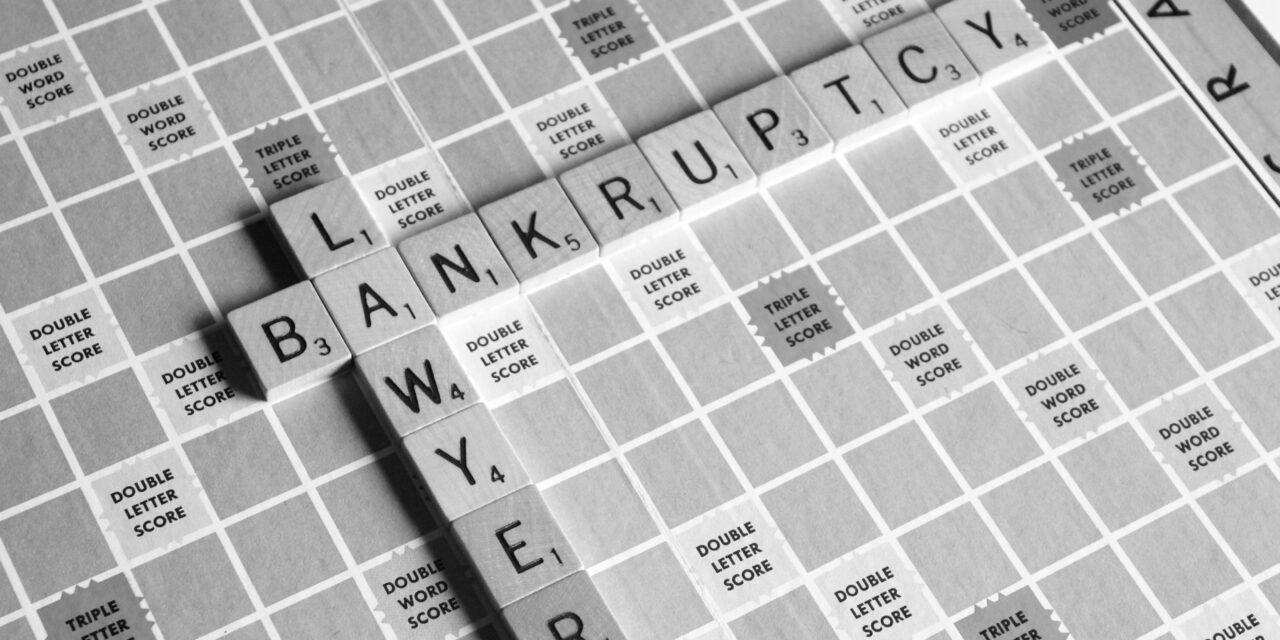
If you are struggling with overwhelming credit card balances, medical bills, personal loans, or other unsecured debt, filing Chapter 7 bankruptcy in Maryland may provide a path toward a fresh financial start.
Chapter 7 bankruptcy is one of the most common forms of personal bankruptcy. Unlike Chapter 13, which generally involves a repayment plan, Chapter 7 can eliminate many types of unsecured debt without requiring you to repay those debts over several years.
However, bankruptcy is a serious legal decision. Understanding how Chapter 7 works, who may qualify, and the potential benefits and consequences can help you determine whether it is the right option for your financial situation.
What Is Chapter 7 Bankruptcy?
Chapter 7 bankruptcy is sometimes called “liquidation bankruptcy.” It allows eligible individuals to seek a discharge of many qualifying debts.
The process begins when a bankruptcy petition is filed with the U.S. Bankruptcy Court. Filing generally triggers an automatic stay, which stops most collection actions, including lawsuits, wage garnishments, and collection calls. (Maryland District Court)
At the end of a successful Chapter 7 case, eligible debts may be discharged. A discharge means you are no longer personally responsible for those debts, and creditors are generally prohibited from taking collection action on discharged debts.
Benefits of Filing Chapter 7 Bankruptcy in Maryland
For people who are struggling with debt, Chapter 7 can offer several important benefits.
- Eliminate Many Types of Unsecured Debt
One of the biggest advantages of Chapter 7 is the potential to eliminate qualifying unsecured debts.
These may include:
- Credit card debt
- Medical bills
- Certain personal loans
- Certain collection accounts
- Other qualifying unsecured debts
The U.S. Courts explain that the purpose of bankruptcy includes providing an honest debtor with a “fresh start.” However, not every type of debt can be discharged.
- Stop Creditor Collection Efforts
When a bankruptcy case is filed, the automatic stay generally takes effect. This can provide immediate relief from many collection activities.
Depending on the circumstances, the automatic stay can stop:
- Wage garnishments
- Collection lawsuits
- Creditor phone calls
- Collection letters
- Certain foreclosure and repossession actions
According to the U.S. Bankruptcy Court for the District of Maryland, the automatic stay is an injunction that stops lawsuits, foreclosures, garnishments, and most collection activity after a bankruptcy petition is filed.
There are exceptions, and the automatic stay does not necessarily prevent every type of legal or collection action.
- Get Relief from Overwhelming Monthly Payments
When a large portion of your income is going toward credit cards, medical bills, loans, and collection accounts, it can become difficult to pay for necessities such as housing, food, utilities, and transportation.
A Chapter 7 discharge can eliminate qualifying debt and potentially free up money in your monthly budget.
For someone who has been making minimum payments for years without making meaningful progress, bankruptcy may provide an opportunity to reset their finances.
- You May Be Able to Keep Your Property
The word “liquidation” can make people worry that they will automatically lose their home, vehicle, or other belongings. That is not necessarily the case.
Bankruptcy law provides exemptions that can protect certain property from being used to pay creditors. Whether you can keep specific property depends on your circumstances, including the property’s value, available exemptions, liens, and equity.
The U.S. Courts specifically recommend consulting an attorney regarding the exemptions available in the state where you live.
This is one reason it is important to have a Maryland bankruptcy attorney review your assets before filing.
- Work Toward a Fresh Financial Start
For many people, the ultimate benefit of Chapter 7 is the opportunity to move forward without the burden of qualifying debts.
Once eligible debts are discharged, creditors generally cannot continue collection efforts on those debts.
Bankruptcy does not make financial problems disappear overnight, but it can provide a legal framework for addressing overwhelming debt and beginning to rebuild your financial life.
Who Can File Chapter 7 Bankruptcy in Maryland?
Not everyone automatically qualifies for Chapter 7.
One important consideration is the means test, which examines your income and certain expenses to determine whether your Chapter 7 filing is presumed to be an abuse of the bankruptcy system.
Your income, household size, expenses, debts, assets, and other financial circumstances can all affect whether Chapter 7 is appropriate.
If Chapter 7 is not the best option, Chapter 13 or another debt-relief strategy may need to be considered.
What Debts Cannot Be Discharged?
Although Chapter 7 can eliminate many debts, it does not eliminate everything.
Certain debts are generally excluded from discharge, including some:
- Child support and alimony obligations
- Tax debts
- Student loans
- Government fines and penalties
- Debts arising from certain fraudulent or wrongful conduct
The exact rules can be complicated, and whether a particular debt is dischargeable depends on the facts of the case.
Additionally, bankruptcy generally does not eliminate a valid lien against property. For example, eliminating personal liability for a secured debt does not necessarily eliminate the creditor’s lien against the collateral.
What Happens After Filing Chapter 7?
After the bankruptcy petition is filed, the case proceeds through several steps.
You will generally need to:
- Complete the required credit counseling before filing.
- File the required bankruptcy paperwork.
- Provide information about your income, expenses, debts, and assets.
- Attend a meeting of creditors, commonly called a 341 meeting.
- Complete the required debtor education course.
- Address any issues raised by the bankruptcy trustee or creditors.
- Receive a discharge if you meet the requirements and the case proceeds successfully.
Why Work with a Maryland Bankruptcy Attorney?
Filing bankruptcy involves much more than completing paperwork. Mistakes involving income, assets, exemptions, debts, or required disclosures can create serious problems.
An experienced bankruptcy attorney can help you understand:
- Whether Chapter 7 is appropriate for you
- Whether you are likely to qualify
- Which debts may be discharged
- Which assets may be protected
- How Maryland exemptions may apply
- What to expect from the bankruptcy trustee
- How the automatic stay may affect your creditors
- Whether Chapter 7 or Chapter 13 makes more sense
The U.S. Bankruptcy Court for the District of Maryland also emphasizes that bankruptcy cases involve detailed financial disclosures and legal requirements.
If you are considering filing Chapter 7 bankruptcy in Maryland, Adam M. Freiman, Esq. focuses his practice on bankruptcy and helps Maryland residents understand their options.
The Law Offices of Adam M. Freiman, P.C., offers a free consultation for individuals considering bankruptcy. You can learn more about filing Chapter 7 and contact the firm through its Chapter 7 Bankruptcy page.
Is Chapter 7 Bankruptcy Right for You?
If you are constantly receiving collection calls, facing wage garnishment, struggling with credit card debt, or simply unable to keep up with your monthly obligations, it may be time to explore your legal options.
Chapter 7 bankruptcy may allow you to eliminate qualifying unsecured debt, stop many collection actions, and begin rebuilding your financial future.
However, every bankruptcy case is different. Your income, assets, debts, household circumstances, and financial history all matter.
If you are considering filing Chapter 7 bankruptcy in Maryland, speaking with an experienced Maryland bankruptcy attorney can help you understand your options before you make a decision.
This article is for general informational purposes only and is not legal advice. Bankruptcy laws and individual circumstances vary. Consult a qualified bankruptcy attorney regarding your specific situation.




Recent Comments