
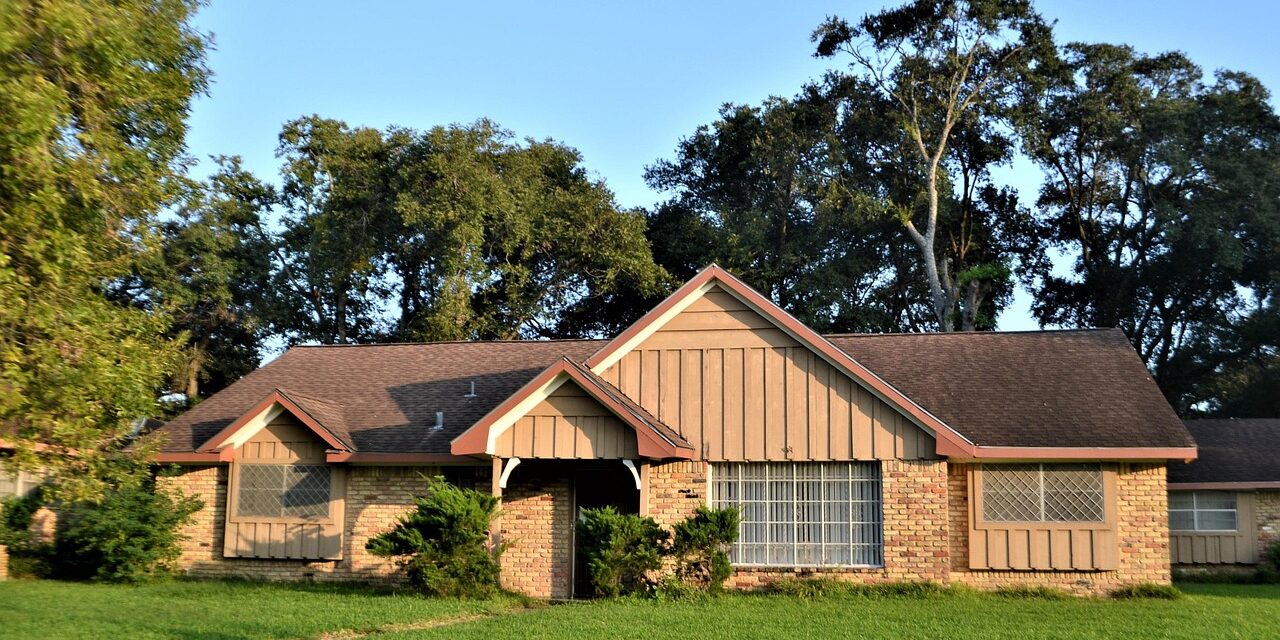
I nearly rented a $950 duplex in Wichita Falls because the listing said “low taxes.” Then I pulled the appraisal district record and found the previous owner had filed a protest every single year for six years. That $950 number was a story, not a fact. The house next door with an identical footprint paid $2,300 more annually, same street, same school zone, same city services.
That gap is what this guide is about. It is not a list of cheap Texas towns, even though you will absolutely find a few names along the way. It is a way of reading the real cost of a place before you sign anything.
The number that fooled me
When you compare cities, you probably do what I did. You open a cost-of-living calculator, sort by housing, and trust what comes out. Those calculators use median home values. Medians do not protest. Your neighbor does.
Here is the part people miss. In Texas, the appraisal district sets your assessed value every year, and you have a legal right to challenge it. Some homeowners do. Most do not. That single behavioral difference drives a wedge between two houses that look identical on Zillow.
According to the U.S. Census Bureau, Texas has been one of the fastest-growing states in the country for years. Growth means rising demand for land. Rising demand means appraised values climb. In fast-growing counties, that climb is not gentle, and it is not uniform block to block. Your county appraisal district is working from mass appraisal models. Those models are statistical. They get your house roughly right and your neighbor’s house roughly wrong, and whoever catches the error saves real money.
Cheap on paper and cheap in practice are different things. I have seen a $140,000 house in Amarillo out-cost a $175,000 house in Abilene once you stack the actual tax bills side by side.
What the protest rate in your new city tells you
This is the metric almost nobody checks, and it is the closest thing to a cheat code I have found.
Appraisal districts publish protest volumes. You will not always find a tidy percentage on their website, but you can call and ask. What you want to know is simple: do homeowners in this county fight back, or do they just pay?
A high protest rate tells you a few things at once. People there know the system works. There is probably a local cottage industry of tax agents who file for a cut of the savings. The district is accustomed to being challenged, which tends to make its initial assessments more defensible, and also more negotiable.
The low protest rate tells you the opposite. The district can be sloppy because nobody pushes back. Good news for you if you are willing to do the work. Bad news if you are not.
I would take a high protest county over a low one every time. It signals an engaged market, and engaged markets reward attention.
How to check it in about 20 minutes
- Find the county appraisal district for the city you are considering. Every Texas county has one.
- Search the address on the district’s public portal. Free, no login required in most counties.
- Look for the protest history tab. Count how many of the last five years show a filed protest.
- Compare the assessed value to a nearby house of similar size. If yours is 15 percent higher with no obvious reason, that is your negotiation room.
- Call the district and ask for the countywide protest volume for last year. Some will share it, some will not. Worth the call.
That last step is where most people stop. Do not stop.
The Cheapest Places framework, applied honestly
I built a four-part framework for my own search after the Wichita Falls near miss. I call it the Cheapest Places Test, and it is deliberately unglamorous.
Sticker price. What the house costs today. Easy, and the least important piece.
Base burden. The assessed value times the local rate, before any exemptions. Texas collects no personal income tax, which gets repeated constantly in relocation guides. What gets left out is that the state leans hard on property taxes instead. According to the Texas Comptroller of Public Accounts, property taxes fund the bulk of local services, schools, roads, emergency response, and that structural reliance is why the state has no income tax to begin with. You are not escaping taxes by moving to Texas. You are trading one kind for another.
Protest history. Yours and the county’s. Covered above. Do this before you make an offer, not after.
Recovery cost. If the appraisal comes in high and you do nothing, what does year one actually cost you compared to the listing’s implied number? This is the figure I now budget as a line item, right next to closing costs.
Run four or five candidate cities through that test and the ranking changes. Amarillo, Brownsville, Laredo, Wichita Falls, and Abilene all show up on budget-friendly lists for good reason, and I would not argue with any of them. What I would argue with is picking one because a blog said it was cheap.
Why the tax side deserves its own line in your budget
Most buyers spend weeks on the house and about ten minutes on recurring costs. Flip that. You will live with the tax bill longer than you will care about the kitchen backsplash.
Three costs stack on top of each other in Texas, and they move independently.
Assessed value. Set by the county, adjustable through protest.
Tax rate. Set by the taxing units, school district, city, county, and any special districts. Voter-approved over time.
Exemptions. The homestead exemption is the big one, and it applies to your primary residence. If you are buying a rental property, that exemption is off the table, which changes the math considerably. Plenty of people learn this after closing.
Here is my honest take, and it is the one I would give a friend over coffee. If you are choosing between two Texas cities with similar median home values, pick the one where the county has a functioning protest culture and where you are buying a homestead rather than an investment property. That combination does more for your annual cost than a $10,000 difference in purchase price. For anyone who wants the fuller picture on where the money actually goes, these cheapest places to live in texas break down the cities and the tax structures city by city, and it is worth reading before you tour anything.
The trap is treating affordability as a listing attribute. It is not. It is a relationship between your house, your county, and whether you are willing to show up and argue your case once a year.
Do the twenty-minute portal check on your top three cities this week. You might find out the cheapest option was never the cheapest one at all, and you will know that before it costs you anything.
Before you book the moving truck
Pull the appraisal record for any address you are seriously considering. Check the protest history. Ask about homestead eligibility. Then compare the annual number, not the price tag.
Texas still has genuinely affordable places to live. The trick is that the affordable ones are not always the ones that advertise it, and the gap between advertised and actual is where your money quietly goes. Start with the county records office, not the listing agent.




Recent Comments