
By Karen T.
A cashier at a Hampden coffee shop told me last month that she hasn’t seen a $20 bill in almost two weeks. Every tap, every scan, every “split it on Venmo” moment adds up to something bigger than convenience. It’s a quiet rewiring of how money moves through Maryland households.
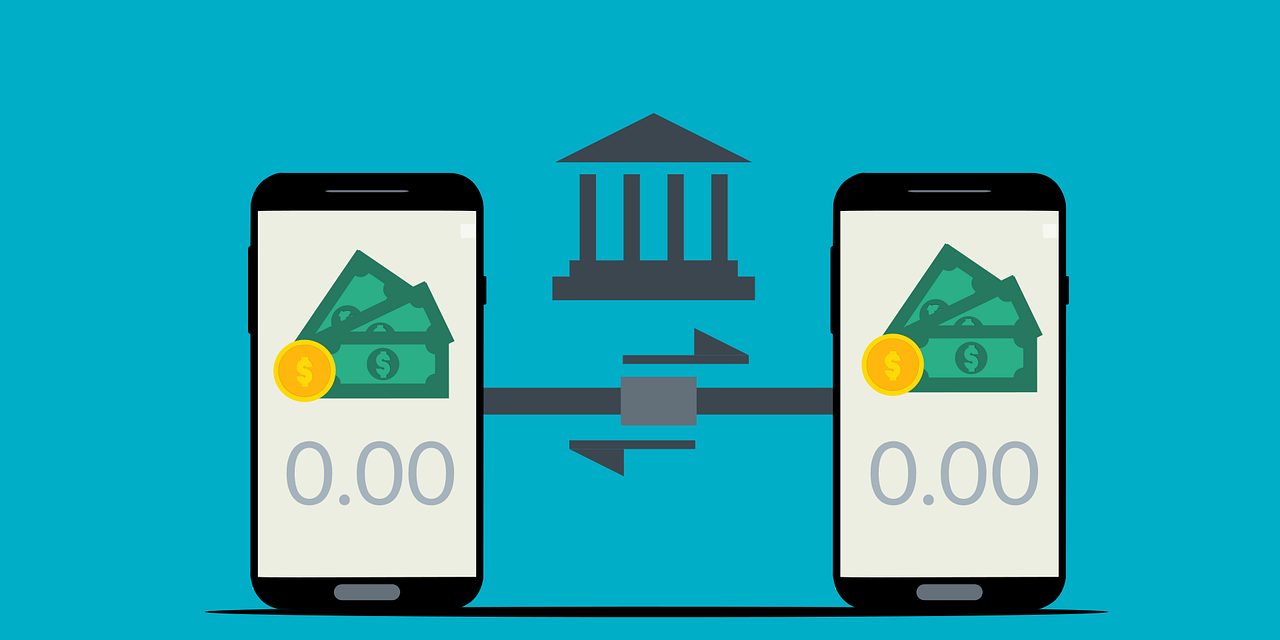
Digital wallets, Apple Pay, Google Pay, Cash App, Venmo, PayPal, have gone from novelty to default in under a decade. A 2024 Federal Reserve payments study found that roughly 60% of U.S. Adults now use at least one mobile payment app regularly. Maryland’s numbers track close to that national average, thanks to its dense, tech-forward D.C. a nd Baltimore commuter corridors. That’s not a fringe trend anymore. It’s infrastructure.
What’s less understood is how far that infrastructure now reaches. Digital wallets don’t just replace the cash in your pocket. They’ve become the settlement layer for rent splits, freelance gig payments, small business invoicing, and increasingly, spending that crosses state and even national borders without most users noticing.
How Maryland Households Actually Use These Apps
Think about your last week. Coffee tapped on a phone. Rent split four ways through Venmo. A freelance invoice paid through PayPal from a client in another state. None of that required a bank teller, a check, or even much thought.
That ease is exactly the point, and exactly why adoption climbed so fast. Baltimore-based fintech researcher Priya Anand, writing for a 2025 payments industry roundup, described the shift as “the disappearance of the transaction as a distinct event.” People don’t perceive digital wallet payments as separate financial decisions the way they once treated writing a check. They just happen.
That has real consequences for household budgeting. Impulse spending through a tapped phone doesn’t carry the same psychological friction as counting out bills. Behavioral economists have studied this exact effect for over a decade, and the finding holds up. Frictionless payment methods correlate with higher discretionary spending, particularly among younger users.
Maryland’s demographics make this more relevant, not less. The state’s median age skews younger than most of its neighbors, thanks to federal employment and university-driven migration into Baltimore and College Park. Younger residents adopt digital wallets faster. They also carry more of that frictionless spending risk.
Where Digital Wallets Start Crossing Borders
Here’s where it gets more complicated. Digital wallets weren’t built to stop at state lines. Increasingly, they don’t stop at national ones either. A growing share of digital wallet activity now routes toward international platforms and merchants: services that operate entirely outside U.S. banking oversight, let alone Maryland’s.
Offshore entertainment and gaming platforms sit among the more visible corners of that international payment picture, and they’ve become a useful case study for just how far digital wallets now reach beyond conventional retail. For readers curious how that particular corner is organized, the newgamenetwork website catalogs and compares international platforms operating in that space, which gives a sense of how much wallet-routed spending now flows toward services with no domestic oversight at all.
Spending through platforms like these carries real financial risk, and anyone doing so should only spend what they can genuinely afford to lose.
That’s a narrow slice of a much bigger pattern though. Cross-border e-commerce. Subscription billing routed through foreign processors. Freelance payments settled in a currency that isn’t dollars. Digital wallets have made all of it frictionless in a way traditional banking never was. Most users have no idea how much of their spending crosses a border until they look closely at a statement.
What This Means for Banks and Everyday Budgets
Traditional banks have noticed, and they’re not thrilled. Deposits that used to sit in checking accounts now move through wallet balances instead, sometimes for days, sometimes indefinitely. That matters to banks because deposits fund lending. Fewer deposits, less lending capacity, tighter margins.
Community banks feel this more acutely than the big national players. A regional bank executive quoted in a 2025 American Banker piece put it bluntly: smaller institutions are losing the deposit relationship entirely for an entire generation of customers who never open a traditional checking account in the first place. They go straight to a wallet app instead.
For everyday households, the practical upside is real. Splitting a dinner bill used to mean somebody fronting cash and everyone else awkwardly Venmo-ing them back a week later, or just not bothering. Now it happens in seconds. The downside is subtler. Spending that doesn’t feel like spending adds up faster than most people expect, and wallet apps rarely surface a clear monthly total the way a bank statement does.
Budgeting apps have tried to fill that gap, pulling data from linked wallets to reconstruct a fuller financial picture. Adoption of those tools remains spotty. Most people check their wallet balance. Few check the pattern behind it.
Maryland households dealing with this shift would do well to treat digital wallets the way they’d treat any other spending tool: useful, but only as transparent as you make the effort to track it. The convenience isn’t going away. Neither is the responsibility to keep an eye on where it’s actually taking your money.
FAQ
What counts as a digital wallet? Apps like Apple Pay, Google Pay, Venmo, Cash App, and PayPal all qualify. They store payment credentials or balances and let users send, receive, or spend money without a physical card or cash changing hands.
Are digital wallets safe to use for everyday spending? Generally yes. Most major wallet providers use encryption and fraud protections comparable to traditional banks. Risk increases when funds sit in a wallet balance rather than a federally insured account.
Why do banks care about digital wallet adoption? Wallet balances often sit outside traditional deposit accounts, which reduces the deposit base banks rely on for lending. Community banks in particular have flagged this as a long-term revenue concern.
Do digital wallets make it harder to track spending? Many users report exactly that. Frictionless taps don’t carry the same psychological weight as handing over cash, and few wallet apps provide a clear running total the way a bank statement does.
Can digital wallet spending cross international borders without users realizing it? Yes. Many wallets route payments to international merchants, subscription services, or platforms with no domestic oversight, and most users never check whether a given transaction crossed a border.




Recent Comments