
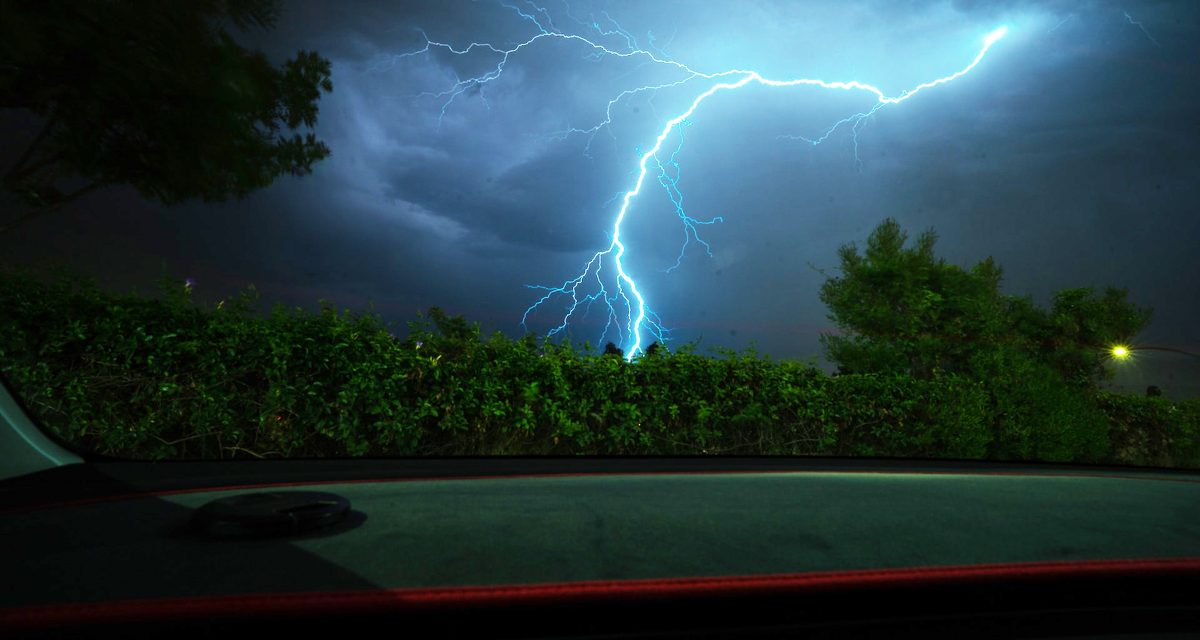
Storms don’t give much warning. One day it’s clear skies, and the next you’re watching the news as a major weather system barrels toward your town. The homeowners who fare the best are the ones who prepared before the storm ever arrived. If you want to protect your home, your family, and your investment, now is the time to act — not when the wind is already picking up.
Start at the Top: Your Roof
Your roof is your home’s first line of defense against any storm. It takes the full force of rain, wind, and hail, which means it also tends to be the first thing to fail when conditions get extreme.
Before storm season hits, walk around your home and look up. Do you notice any shingles that are curling, cracked, or missing? Are there dark patches or sagging spots? These aren’t cosmetic issues — they’re open invitations for water to get inside your home. Scheduling a professional roof repair before a storm arrives can save you thousands in interior water damage down the line. A small fix now beats a full replacement later, and it gives you real peace of mind when the rain starts hammering down.
Don’t forget your gutters either. Clogged gutters cause water to back up against your roofline and fascia boards, which can lead to rot and leaks over time. Clean them out and make sure downspouts direct water well away from your foundation.
Secure Windows and Doors
Windows and doors are the weak points in any home’s exterior. High winds can force water through even the smallest gaps, and flying debris can shatter glass in seconds.
Check the caulking around every window and exterior door. If it’s cracked, peeling, or pulling away from the frame, replace it before storm season. This is a simple weekend job that makes a real difference. For doors, check that the weatherstripping creates a tight seal all the way around. If light is sneaking through the edges, so is water.
If you live in an area prone to hurricanes or severe thunderstorms, consider investing in impact-resistant windows or storm shutters. They’re an upfront cost, but they dramatically reduce the risk of a blown-out window during a major event.
Trim Trees and Clear the Yard
Take a walk around your property and look at the trees near your home. Are there any large branches hanging over your roof, driveway, or power lines? Dead or weak branches are one of the most common causes of storm damage — and they’re entirely preventable.
Have a certified arborist trim back any branches that pose a risk. It’s also worth removing any dead trees entirely, as they can fall without warning during strong winds.
When a storm is approaching, bring in anything that isn’t anchored down. Patio furniture, potted plants, garden tools, and decorative items can all become dangerous projectiles in high winds. If it can move, bring it inside or tie it down securely.
Protect Your Foundation and Drainage
Water damage doesn’t always come from above. Flooding and poor drainage can cause serious problems at ground level too. Walk your property after a heavy rain and look for areas where water tends to pool near your home. If it’s sitting against your foundation, that’s a problem.
Simple grading adjustments can direct water away from the house. You can also add extensions to your downspouts to push runoff further from the foundation. For homes in flood-prone areas, a sump pump is a smart investment — and making sure it’s in working order before storm season is even smarter.
Review Your Insurance Coverage
This one gets overlooked, but it matters just as much as any physical preparation. Pull out your homeowner’s insurance policy and read through what’s actually covered. Many standard policies don’t cover flood damage, which requires a separate flood insurance policy. If your coverage has gaps, now is the time to address them — not after you’ve already filed a claim.
Document the current condition of your home with photos and video. Walk through every room and capture your belongings. Store copies of important documents and your insurance information somewhere safe, whether that’s a fireproof box at home or a secure cloud backup.
Don’t Wait for the Forecast
The biggest mistake homeowners make is waiting until a storm is in the forecast to start thinking about preparation. By then, hardware stores are picked clean, contractors are booked solid, and you’re stuck scrambling.
Storm preparedness is a year-round mindset. A little attention to your home’s condition each season goes a long way toward keeping you and your family safe when the next big storm rolls in. Start with your roof, work your way through the rest of the list, and rest easier knowing you’ve done everything you can.




Recent Comments