Maryland Reporter

Opinion: Pharmacy Benefit Managers (PBMs) are advocates for quality, affordable prescription drugs

Opinion: Pharmacy Benefit Managers (PBMs) are advocates for quality, affordable prescription drugs

There is so much rancor and finger pointing these days over prescription drug prices that consumers are often left to wonder: who is fighting on their behalf? The answer: Pharmacy Benefit Managers, or PBMs. Companies and public programs providing prescription drug coverage hire PBMs for their expertise, and ability to reduce drug costs by negotiating for rebates and discounts from big drug companies and drugstores.

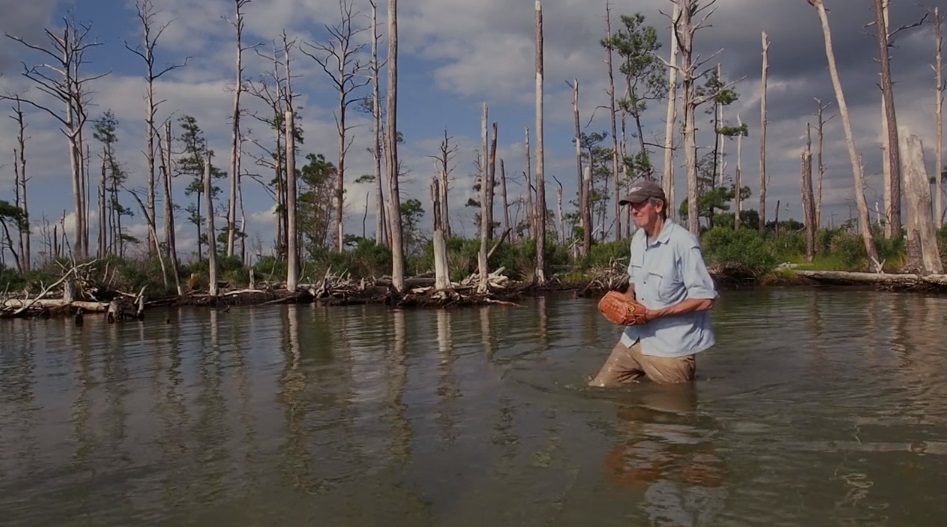
High Tide in Dorchester: New documentary focuses on the rising waters taking land on the Shore

High Tide in Dorchester: New documentary focuses on the rising waters taking land on the Shore

Though it begins with aerial shots of the seemingly endless tidal marshes in Maryland’s Dorchester County, the latest Bay Journal documentary is about a fast-approaching future in which that landscape could be entirely underwater. High Tide starts with the image that inspired it: Horton standing waist-deep in water — in what was once a field outside his father’s hunting cabin on the Honga River, where he played baseball as a child. That field is long gone, as are thousands of acres of land that have been lost in recent decades to a mixture of rising seas, erosion and high tides across the county.

A walk in the Eastern Shore woods with a different kind of forester

A walk in the Eastern Shore woods with a different kind of forester

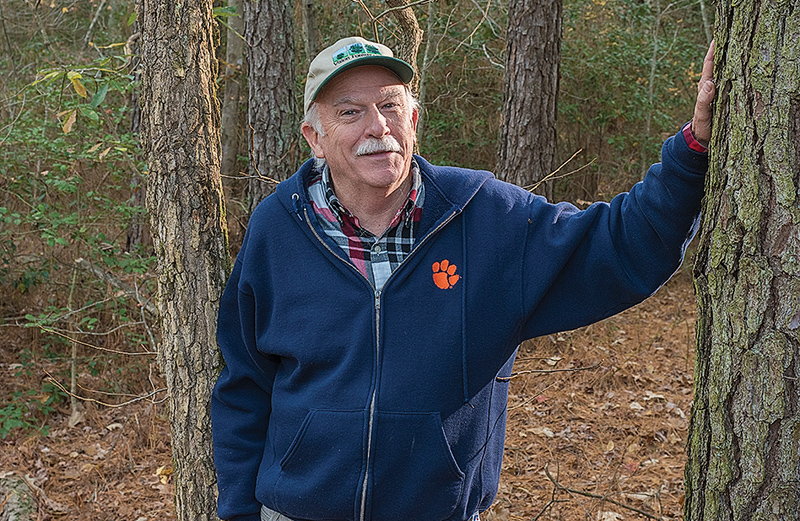
It was a chill November morning, the rising sun sloshing light on the tree tops. Larry Walton and I were about half a mile into the woods that line the Nanticoke River near Vienna, Md., when he wrapped his arms around a great old Atlantic white cedar. That tree species once shaded thousands of acres of Delmarva Peninsula swamps with its dense, evergreen canopies, until rampant logging and wetlands destruction made cedars relatively rare. Today, you seldom see specimens like this.

County lawsuits on opioids reminiscent of tobacco lawsuits

County lawsuits on opioids reminiscent of tobacco lawsuits

Baltimore City and Anne Arundel, Baltimore, Cecil, Harford, and Montgomery counties claim the pharmaceutical industry expedited the epidemic by hiding or minimizing addiction risks yet aggressively marketed their products to the public and medical professionals. The counties are requesting financial relief for their costs of responding. As many as 200 U.S. cities and counties have filed or plan to file so far. The David v Goliath tactic is reminiscent of the 1990s when every state joined a suit against the tobacco industry. The $246 billion settlement against 13 corporations was reached after four years of maneuvering.

Conflicting – but correct – reports on Bay dead zones from Md. and Va. were a matter of timing

Conflicting – but correct – reports on Bay dead zones from Md. and Va. were a matter of timing

It was quite a surprise: Two reports on Chesapeake Bay dissolved oxygen levels in 2017 came to starkly different conclusions. The Maryland Department of Natural Resources reported improvements and a vastly reduced dead zone. The Virginia Institute of Marine Science found oxygen conditions at their worst since 2014. Scientists at both organizations were caught off guard last fall when the seemingly contradictory findings were released within a few weeks of each other and sent them scrambling to analyze the cause. 

Conowingo, growth, climate may threaten Bay cleanup deadline

Conowingo, growth, climate may threaten Bay cleanup deadline

The Chesapeake cleanup effort is facing major headwinds that threaten the region’s longstanding goal to implement by 2025 all of the actions needed to restore the Bay’s health. Draft figures presented to state and federal officials in December show that the combined impact of growth, climate change and the filling of the Conowingo Dam reservoir offset much of the nitrogen reduction efforts undertaken since 2010, when the most recent Bay pollution control plan was put into place.

Anti-opioid initiatives focus of Annapolis attention

Anti-opioid initiatives focus of Annapolis attention

Gov. Larry Hogan and Lt. Gov. Boyd Rutherford Tuesday unveiled their “2018 Anti-Opioid Initiatives” in Maryland’s campaign against a staggering opioid crisis that shows no signs of slowing. The announcement from the Republican governor immediately produced another tiff with Democratic Attorney General Brian Frosh. But there was broad bipartisan cooperation in evidence in Annapolis as Democratic House Speaker Michael Busch and Republican Anne Arundel County Executive Steve Schuh jointly sponsored an opiod summit emphasizing local efforts and statewide legislation to battle the growing overdose deaths.

Opinion: Rolling back Temporary Protected Status is good news for U.S. workers

Opinion: Rolling back Temporary Protected Status is good news for U.S. workers

There were an estimated 8 million unauthorized workers employed in the U.S. civilian labor force in 2014. Among authorized workers in the U.S. civilian labor force, there are hundreds of thousands of non-citizens who violated the U.S. border or other U.S. immigration laws but received U.S. work authorization permits anyway. The Temporary Protected Status (TPS) program is one of the reasons. Trump Administration efforts to roll back TPS for countries like El Salvador and Honduras many years after the “qualifying” natural disasters have drawn outrage from some quarters. But rollback is good news for American and lawful permanent resident alien workers, writes Richard Douglas in a guest commentary.

Is organic farming good for the Chesapeake Bay?

Is organic farming good for the Chesapeake Bay?

Organic agriculture is the fastest growing sector of the food industry in the United States, and its footprint in the Chesapeake Bay watershed is growing in kind.
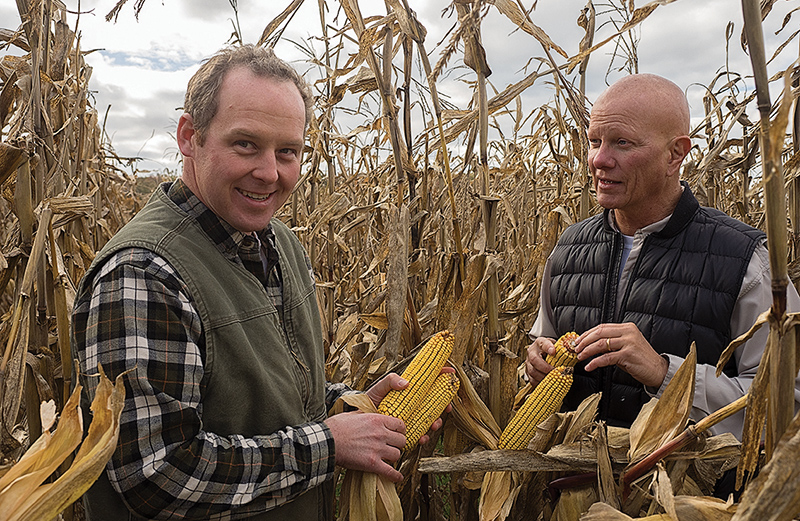
The brand of agriculture that eschews the use of pesticides, herbicides, antibiotics and genetically engineered ingredients now makes up 20% of Perdue Farms’ poultry production on the Delmarva Peninsula, where the company is headquartered. The practices that earn poultry and grain producers the U.S. Department of Agriculture’s organic label may keep certain pesticides, antibiotics and hormones out of foods, but are they necessarily better for water quality and the Bay than conventional agriculture?