

For most commercial property owners in Baltimore, fire protection only comes to mind when an inspection notice shows up or a tenant complains about a beeping panel. By then the options are limited and the deadlines are short. Knowing which rules apply, what each system requires and how often it has to be checked keeps a building compliant, keeps insurance carriers satisfied and avoids paying emergency rates for work that could have been scheduled.
City Line, Different Rulebook
Maryland’s State Fire Prevention Code is built on two national model codes, NFPA 1 and NFPA 101, and the state moved to the 2024 editions in 2025. That code governs most of the state, but it does not apply to buildings in Baltimore City. The city adopts its own Baltimore City Fire Code, which is based on the International Fire Code with local amendments, and enforces it through the Baltimore City Fire Department’s Office of the Fire Marshal. That office reviews fire protection plans, issues fire prevention permits and inspects new, renovated and existing buildings.
The practical effect is that an owner with one property on Charles Street and another just over the line in Baltimore County answers to two different codes and two different fire marshals. The good news is that the equipment itself is held to the same technical standards on both sides. Both model codes point to the same NFPA standards for how sprinklers, alarms, extinguishers and kitchen systems must be inspected, tested and maintained, and both make the building owner responsible for getting it done.
Fire Sprinklers: NFPA 25
Sprinkler systems are reliable because they are simple, but they still need attention on a schedule:
- Weekly to monthly: a look at gauges and control valves to confirm normal pressure and that every valve is open. Staff can be trained to do this.
- Quarterly: inspection of waterflow alarm devices and the fire department connection on the outside of the building.
- Annually: a full inspection by a licensed contractor, including a main drain test, a visual check of sprinkler heads, piping and hangers, and a count of the spare heads in the cabinet.
- Every five years: an internal assessment of the piping for corrosion and obstructions, plus testing or replacement of gauges.
Buildings with fire pumps or standpipes have additional requirements, including an annual pump flow test. Sprinkler heads also age out: standard heads that have been in service for 50 years must be replaced or have samples sent to a laboratory for testing, a point that catches many owners of older Baltimore buildings by surprise.
Fire Alarms: NFPA 72
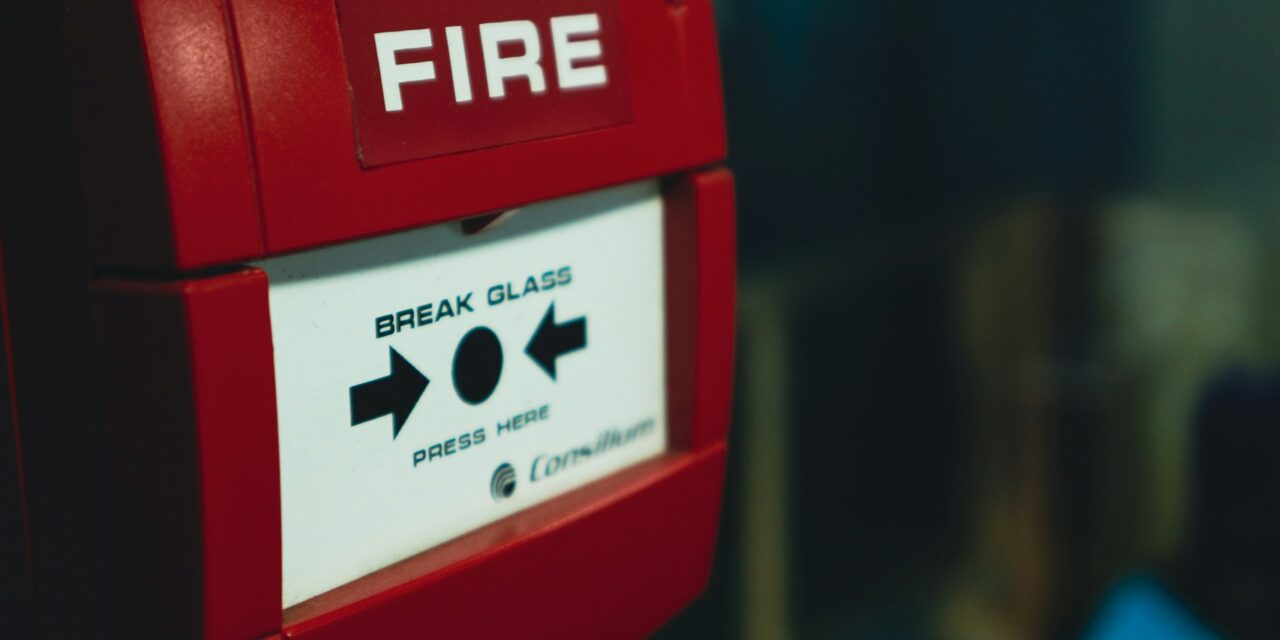
Alarm systems need a full functional test once a year. That means activating pull stations, smoke and heat detectors and waterflow switches, confirming that horns and strobes operate, and checking the backup batteries. Smoke detectors must also have their sensitivity checked within a year of installation and every other year after that, an interval that can stretch to five years once detectors have passed two consecutive tests. If the system is monitored, the technician should verify that each signal reaches the supervising station. A panel showing a trouble or supervisory condition is not something to silence and forget. It usually means a device is disconnected, a battery is failing or the phone or cellular path to the monitoring company is down.
Portable Extinguishers: NFPA 10
Extinguishers get a quick visual check every month and maintenance by a trained technician once a year, recorded on the tag. Less well known are the longer intervals. Stored-pressure dry chemical units, the most common type, must be emptied and examined internally every six years and hydrostatically tested every twelve. Carbon dioxide and water extinguishers are hydrostatically tested every five years.
Commercial Kitchens: NFPA 96 and 17A
The suppression system over a cooking line must be inspected and serviced every six months. The exhaust hood and ductwork must also be inspected for grease buildup, and cleaned when buildup is found, on a schedule based on use: monthly for solid-fuel cooking, quarterly for high-volume operations such as 24-hour kitchens, charbroiling and wok cooking, twice a year for moderate-volume kitchens, and annually for low-volume kitchens such as churches and seasonal operations. Kitchens also need a Class K extinguisher within reach of the line.
Exit Signs and Emergency Lighting
Battery-powered emergency lights and exit signs must be tested for 30 seconds every month and for a full 90 minutes once a year, with a written record of each test.
Where Older Buildings Run Into Trouble
Baltimore’s converted warehouses, mixed-use rowhouses and mid-century office buildings tend to share the same problems: sprinkler heads painted over during renovations, storage stacked within 18 inches of the heads, alarm panels showing trouble signals nobody has cleared, expired inspection tags, and exit doors blocked by deliveries. None of these is costly to fix during routine service. They become costly when they are written up as violations with a deadline attached.
Choosing a Contractor
Maryland requires anyone who installs, repairs, inspects, tests or maintains fire sprinkler systems to hold a contractor license from the Office of the State Fire Marshal, and those licenses must be renewed every two years. Ask for the license number before signing a service agreement and confirm it on the state’s online list. Owners also save time by using one company for several systems. Pikesville-based Code One Fire Protection, for example, offers fire protection services in Baltimore that cover alarms, sprinklers, extinguishers and suppression systems under a single account.
Keep the Paper Trail
- Keep the latest inspection report for every system in one binder or shared folder.
- Put due dates on a calendar so visits are booked before tags lapse.
- Correct deficiencies promptly and file the repair invoice with the report.
- If a system must be shut down for repairs, tell your contractor, your insurer and the fire department before it goes out of service.
- Call your contractor before any renovation that touches ceilings, walls or the kitchen line.
Fire protection is one of the few building expenses that is entirely predictable. Owners who treat it as a scheduled item, not an emergency, tend to pass inspections without surprises and spend less doing it.





Recent Comments