

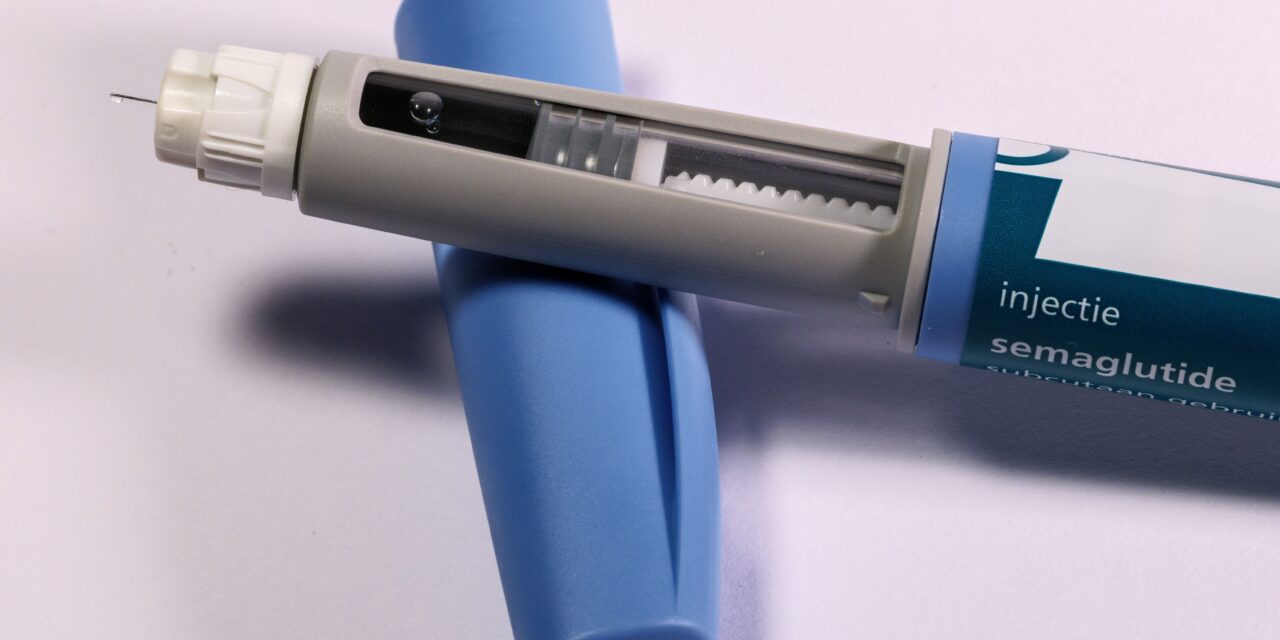
Montgomery County Public Schools spent $34 million on GLP-1 drugs like Ozempic and Wegovy in fiscal 2024. Two years later, the bill was $80 million. District staff told a school board committee in September that it will pass $100 million this year.
That spending helped push the fund that covers employee and retiree health care $97 million into the red, in a school system whose board voted in June to cut 415 positions to balance its budget. Somebody will pay: teachers through higher premiums, taxpayers through higher bills, or students through fewer adults in the building. Howard County already made its choice and stopped covering the drugs for weight loss in March.
These challenges aren’t unique to Montgomery County. School systems, employers, and families across Maryland face the same pressures from rising prescription drug costs.
Before more Maryland communities face similar choices, there’s a simple question worth asking. Why is the bill this high?
Part of the answer is demand, but demand isn’t the problem. These drugs work. They help people manage diabetes, and the evidence for heart and kidney benefits keeps growing. More people will take them, not fewer. What turns rising demand into a budget crisis is out-of-control prices on brand-name blockbuster products, shielded from competition and downward pressure on price by abuse of the U.S. patent system.
Competition works
Competition works to lower drug prices and reduce costs, as the rest of the world is already demonstrating for GLP-1s. In March, the core patent on semaglutide, the drug in Ozempic and Wegovy, expired in India. Generics reached pharmacies the next day. One maker priced its version at about $14 a month. Within days, Novo Nordisk cut some of its own prices there.
In the United States, drugmakers can build dozens of follow-on patents around a single medicine (the pen, the dose, the formulation), and a generic challenger must beat each one before it can come to market. Novo Nordisk has put in 320 patent applications for semaglutide, the active ingredient in Ozempic, Rybelsus and Wegovy, in the U.S. Nonprofit expert analysis found Novo’s patent portfolio for semaglutide would delay competition for five years and cost at least $166 billion. The same analysis found that Eli Lilly has filed 53 U.S. patent applications on the active ingredient in its GLP-1 drugs, tirzepatide.
Patent lawyers call these a patent thicket. It works.
Humira, the best-documented case, kept American patients waiting for more affordable biosimilars for more than four years after Europeans had them, leaving them paying high prices for the brand-name biologic.
The industry’s defense deserves a hearing. Patents pay for research that produces true innovations. But nothing justifies hundreds of add-on patents rooted in paperwork rather than invention.
Bipartisan solutions
Maryland families, employers, and taxpayers are counting on Congress to advance bipartisan solutions that balance the need to protect and incentivize true innovation with the urgency of addressing patent practices that delay competition and keep prescription drug prices high.
There have been a number of proposals with merit and a track record of winning support from Republicans and Democrats.
The ETHIC Act is one example. This bill would limit a drugmaker to asserting one patent from each family of related patents when a generic company challenges it. The Interagency Patent Coordination and Improvement Act would better enable U.S. Food and Drug Administration (FDA) and U.S. Patent and Trademark Office (USPTO) regulators to share information and coordinate to uphold patent integrity. The Drug Competition Enhancement Act would target the practice of “hopping” patients to a new version of an older drug with fresh patents, despite only minor changes.
Other solutions would target patent settlement agreements, loopholes in the skinny label pathway, and misuse of the FDA’s citizen petition process, all of which can further delay generics and biosimilars from coming to market.
Timing matters
Timing matters for Maryland. If Congress acts on bipartisan solutions to bring about more competition, that won’t shrink health care bills this year, but it can reduce future costs and help begin to turn the tide on health care inflation.
The top Democrat on the Judiciary Committee, where jurisdiction over America’s patent system falls, is Maryland’s own Rep. Jamie Raskin, who could be its chairman in January. He should make competition bills that promote a more balanced patent system an early priority and consider inviting a Maryland school system to testify about what delayed competition costs a community.
Montgomery County and other Maryland school systems have work to do too. But no amount of local belt-tightening will foster more competition. Only Congress can clear the way for that.
Ethan Wechtaluk is a Montgomery County resident, former congressional candidate, and healthcare technology professional with 15 years of experience working with federal agencies, including Medicare, the FDA, and the Department of Veterans Affairs.





Recent Comments