
When Maryland opened adult-use cannabis sales in July 2023, flower was always going to lead. What surprised some observers was how quickly concentrates followed. In the market’s early months, concentrates made up roughly 27 percent of sales, according to Maryland Cannabis Administration figures reported at the time. For a market that young, that is a big appetite for products most first-time buyers had never tried.
Canada offers a useful preview of where that appetite goes next. Concentrates became legal there in late 2019, and Canadian buyers have had several years to move past the first question every new market asks, which is how strong a product is, toward a better one: how it was made.
The label that keeps showing up
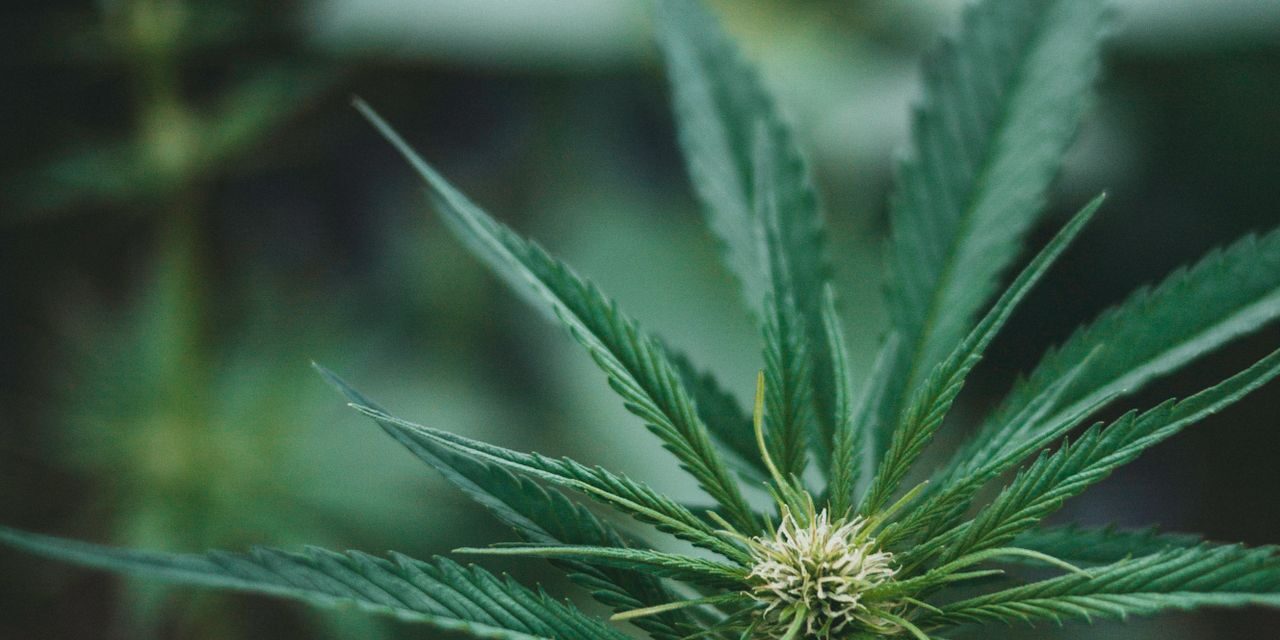
The clearest sign of that shift is live resin, a term now common on concentrate menus on both sides of the border. Despite the name, nothing in the jar is alive. “Live” describes the plant at harvest. Most cannabis is dried and cured for weeks, a process that costs it a large share of its terpenes, the aromatic compounds behind each strain’s smell and flavor. Live resin skips the drying. Plants are frozen soon after harvest and kept frozen until extraction, which preserves far more of the aroma than extracting from dried flower.
For buyers, the difference is easy to notice. Next to a concentrate made from dried plants, a good live resin smells much closer to the living strain. That is why it has become a step-up purchase in mature markets, the product people move to once potency alone stops being the deciding factor.
Freshness is a supply chain problem
The catch, and the part with lessons for Maryland’s growing industry, is timing. Freezing has to happen soon after harvest. For a producer that grows its own plants, that is a matter of walking material from one room to the next. For a processor buying plants from someone else, it means coordinating harvest schedules, cold storage and transport, and every delay costs quality.
That is one reason vertically integrated producers have done well with the category in Canada. Vancity Labs, a British Columbia producer, is a typical example: it grows its own flower and processes it in-house, so plants go from harvest to the freezer without changing hands. Fresh-frozen material is the whole basis of the VanCity Labs live resin range, and that kind of control is difficult to match when the plants come from a third party.
What it means for Maryland
Maryland’s market is still sorting out its structure, from license types to how growers, processors and dispensaries divide the work. The Canadian experience suggests that as buyers mature, the products that win shelf space are the ones where process matters, and process depends on how short the trip is between the plant and the extraction room.
For Maryland consumers, the practical takeaway is simple. A “live” label is worth asking about. Who grew the plants, how soon were they frozen, and did they change hands along the way? In Canada, those questions have become a normal part of buying concentrates. Maryland’s buyers are likely to start asking them too.




Recent Comments