
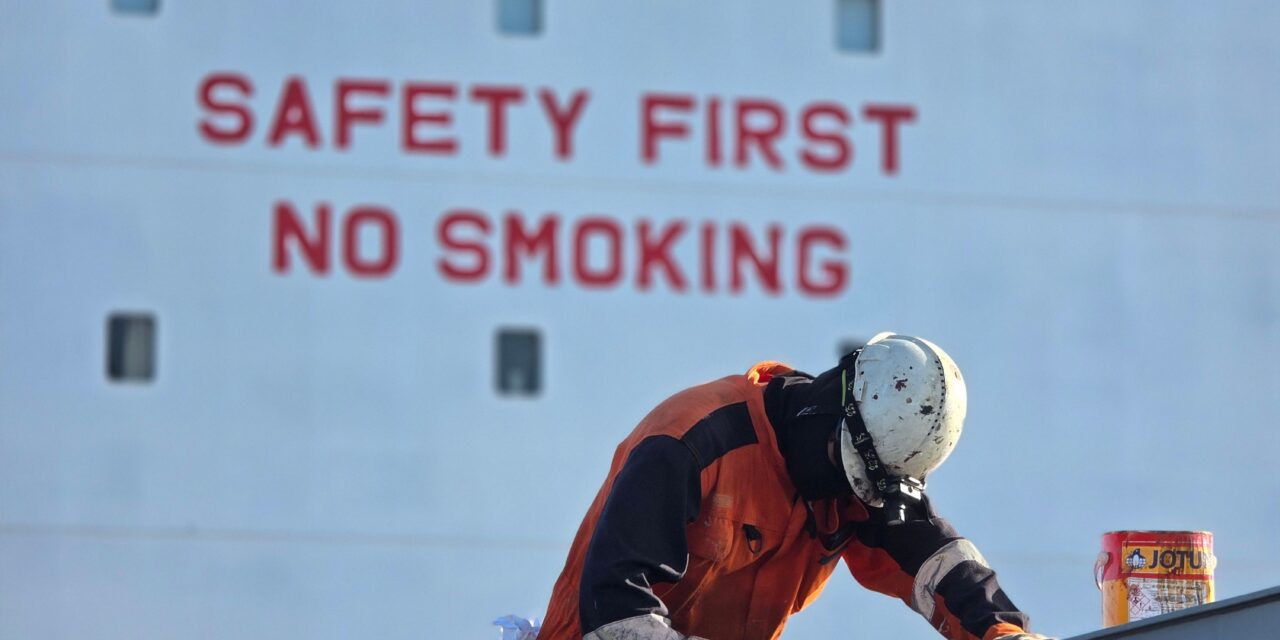
Managing workplace safety is challenging enough when everyone works in the same building. Add several locations, different supervisors and employees moving between sites, and things become considerably more complicated. A procedure that works perfectly at one location might be overlooked or misunderstood at another.
For businesses operating across multiple worksites, maintaining consistent safety standards requires more than distributing a handbook. Each location has its own risks, working conditions and daily pressures. Without proper coordination, small gaps in communication or supervision can develop into serious problems.
The solution is to establish clear expectations while allowing individual sites to address their specific hazards. This might involve standardized inspections, regular training, shared reporting systems and, where appropriate, measures such as onsite drug and alcohol testing to support a broader approach to managing workplace impairment risks.
Different Locations Have Different Safety Risks
One of the biggest mistakes businesses make is assuming that every worksite faces the same hazards.
A warehouse might have risks associated with forklifts, loading equipment and heavy lifting. An office could face issues involving electrical equipment, ergonomics or emergency evacuation procedures. Construction sites introduce additional concerns, including working at heights and moving machinery.
Even two facilities performing similar work can have different layouts, equipment and environmental conditions.
Rather than applying an identical checklist everywhere, businesses should conduct individual risk assessments for each location.
These assessments should consider:
- Equipment, machinery and materials used on site
- Tasks that could expose workers to injury
- Emergency access and evacuation arrangements
- Environmental conditions and changing hazards
- Contractors, visitors and other people entering the workplace
A consistent assessment process helps management compare risks while recognizing the unique circumstances of each site.
Communication Becomes More Difficult Across Locations
When employees and supervisors work in different places, important information doesn’t always reach everyone who needs it.
For example, a safety issue identified at one warehouse might also exist at another facility. If the incident is only discussed locally, other teams could miss an opportunity to prevent a similar problem.
Establishing clear communication channels is essential.
Businesses can use shared reporting platforms, scheduled safety meetings and regular updates to keep everyone informed.
However, communication shouldn’t only flow from head office to individual locations. Employees should also have a straightforward way to report hazards, raise concerns and suggest improvements.
Encouraging open communication helps identify problems before they become serious incidents.
Maintaining Consistent Training Standards
Employees working at different locations should understand the same fundamental safety expectations.
However, training can become inconsistent when individual supervisors are responsible for delivering information.
One location might provide thorough inductions, while another relies on informal explanations. Over time, employees can develop different understandings of acceptable workplace practices.
A centralized training program can help establish consistent standards.
Combine General and Site-Specific Training
General training should cover company-wide policies, incident reporting procedures and basic safety responsibilities. This should include clear guidance on recognizing possible impairment from drugs or alcohol, reporting concerns discreetly and following company procedures.
Site-specific training should address local hazards, equipment and emergency arrangements.
For employees who regularly move between locations, additional briefings may be necessary before they begin work at a new site.
Keeping accurate training records also makes it easier to identify employees who require refresher sessions or additional instruction.
Managing Contractors and Temporary Workers
Many businesses rely on external contractors for maintenance, cleaning, equipment installation and other specialized tasks.
These workers may only spend a short time at a particular location, but they still need to understand the relevant safety requirements.
Problems can arise when contractors arrive without knowing site-specific hazards or emergency procedures.
A clear contractor management process should include appropriate inductions, confirmation of required qualifications and communication about potentially hazardous work.
Responsibilities should also be established before work begins, particularly when several companies are operating in the same area.
Monitoring Safety Without Being Physically Present
Senior managers cannot personally supervise every location throughout the working day.
This makes reliable reporting and local accountability especially important.
Each worksite should have a designated person responsible for coordinating safety activities and escalating concerns.
Regular inspections can help identify issues, but businesses should also monitor whether corrective actions are completed.
For example, discovering a damaged safety barrier is only the first step. Someone must arrange the repair, confirm completion and document the outcome.
Tracking outstanding actions across all locations allows management to identify recurring problems and direct resources where they’re needed.
Building a Consistent Safety Culture
Written policies are important, but employees also pay attention to how managers behave.
If supervisors regularly ignore safety procedures to meet deadlines, workers may assume that productivity matters more than following the rules.
Businesses should encourage managers at every location to demonstrate consistent expectations.
This includes responding promptly to reported hazards, discussing safety during team meetings and encouraging employees to speak up without fear of retaliation. Where drugs or alcohol may create safety risks, supervisors should apply impairment policies consistently and respond to concerns fairly rather than making assumptions about individual workers.
Recognizing proactive safety behavior can also reinforce positive habits.
Importantly, employees should feel comfortable reporting near misses, not just incidents that result in injuries. These reports can reveal weaknesses that might otherwise remain unnoticed.
Keeping Safety Standards Strong as the Business Grows
As businesses expand, safety management systems need to grow with them. Processes that worked across two locations may become difficult to manage when the company operates ten or twenty sites.
Regularly reviewing procedures helps identify where additional resources, clearer responsibilities or improved reporting tools are needed.
The aim isn’t to make every workplace identical. It’s to ensure that employees receive consistent protection regardless of where they work.
By combining company-wide standards with local risk assessments, effective communication and clear accountability, businesses can create a more dependable approach to safety across multiple locations.




Recent Comments