
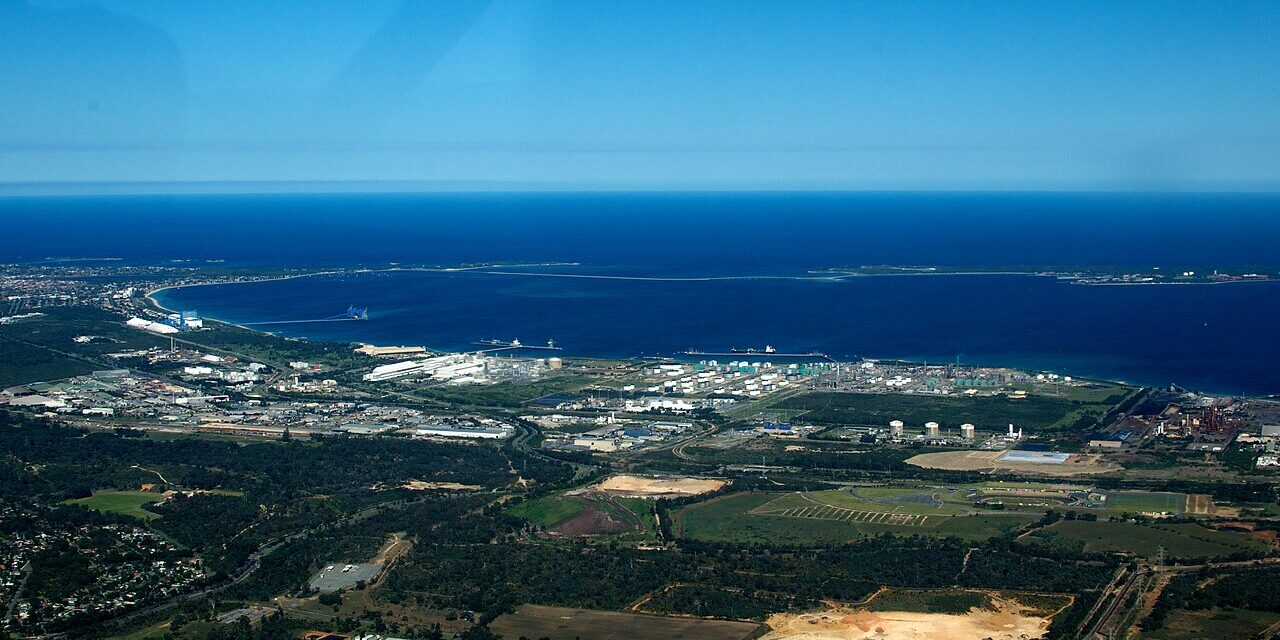
Australia is spending billions of dollars to prepare HMAS Stirling in Western Australia for an expanded submarine role. At the same time, the proposed Westport container port would bring more commercial shipping into the waters around Garden Island. The AUKUS agreement has changed the strategic importance of this area, making the relationship between naval operations and commercial traffic worth a closer look. Some critics argue that the risks created by putting these activities so close together deserve more public attention. There has been an independent assessment, but questions remain about what government analysis has been completed and what the public is actually allowed to see.
The Projects Were Planned at Different Times
Westport was not originally created as part of Australia’s submarine plans. The proposal to move container operations from Fremantle to Kwinana was already being developed before the trilateral security partnership was announced in 2021.
That timeline matters. The circumstances surrounding Cockburn Sound have changed considerably since the project was first proposed, particularly with the planned expansion of submarine capabilities at HMAS Stirling.
The AUKUS accord added a major defense consideration to an infrastructure project that had previously been focused mainly on trade, transport, and port capacity. That does not automatically mean Westport is incompatible with naval operations. It does mean the two developments need to be considered together.
An Independent Risk Assessment Has Been Published
It would be inaccurate to say that nobody has assessed the potential risks.
In August 2025, retired Air Vice-Marshal John Blackburn and retired Commodore Vince Di Pietro published an 11-page assessment examining national security concerns associated with Westport. Their analysis considers the proposed container port, shipping movements in Cockburn Sound, and the proximity of the project to HMAS Stirling.
The assessment is publicly available through the Westport Threatens AUKUS campaign website. It raises concerns about commercial vessel movements, foreign-flagged shipping, access to naval facilities, and the possibility of increased activity near sensitive defense infrastructure.
There is also a separate assessment from the Maritime Union of Australia, WA Branch, which is referenced on the same site. These documents should be described for what they are. They are independent assessments rather than official government findings.
What Has the Australian Government Said?
The Australian government has not publicly said that no risk assessment exists.
In an August 2025 press conference, Defense Minister Matt Keogh was asked about Westport and its potential effect on submarine operations. He said he would not discuss the details of security and risk assessments carried out at defense bases.
Keogh also said Westport had been incorporated into government planning. That is significant because it suggests Defense and other government agencies are not treating the port proposal as something separate from Australia’s changing defense requirements.
However, saying that assessments are conducted is different from releasing their findings. The public therefore has limited information about the specific conclusions reached by government agencies.
Why Cockburn Sound Creates a Complicated Situation
The geography is central to the debate.
Westport is proposed for Kwinana, while HMAS Stirling sits on Garden Island within Cockburn Sound. The area already supports industrial facilities, commercial vessels, naval operations, and other maritime activity.
Adding a major container terminal would increase commercial shipping activity in the area. Large vessels would need to enter and leave the port while naval vessels continue using the surrounding waters.
That does not make commercial shipping inherently dangerous. Naval facilities operate near civilian ports in many parts of the world. The question is whether the specific combination of traffic, geography, vessel size, and defense requirements creates additional risks that need to be addressed.
Foreign-Flagged Ships Are Part of the Discussion
Another concern raised in the independent assessment involves the number and origin of commercial vessels that could operate near the naval base. Australia relies heavily on international shipping. Many commercial vessels operating in Australian waters are registered overseas, so foreign-flagged shipping is a normal part of the country’s trading system.
The concern raised by critics is more specific. They argue that increased commercial activity near sensitive defense infrastructure could make monitoring and security more complicated. That does not mean foreign vessels should automatically be treated as security threats. Any assessment would need to distinguish normal commercial activity from conduct that could present a genuine security concern.
The Second Channel Could Help
Westport’s design includes a second shipping channel. WA Premier Roger Cook has pointed to this feature when discussing how commercial and naval activities could operate within Cockburn Sound. Additional maritime access could provide more flexibility when vessels are moving through the area. It may also help reduce conflicts between different types of traffic.
But a second channel is not a complete answer by itself. Its usefulness would depend on how the channels are managed, how naval movements are coordinated, what security measures are in place, and how authorities respond to an accident or unexpected disruption. Those details are important when considering the project’s long-term resilience.
Why a Public Assessment Matters
There is a reasonable argument for examining these issues before major infrastructure becomes difficult or expensive to change. A detailed risk assessment could identify potential problems and explain which safeguards are already planned. It could also show whether additional measures are needed before the container terminal becomes operational.
Security information obviously cannot all be released publicly. Details about sensitive naval operations may need to remain confidential. Still, there is a difference between protecting classified information and explaining, at a general level, how defense requirements have been considered during major infrastructure planning.
The Question Is About What Has Changed
The strongest question is not whether anyone has ever considered the risks. Someone clearly has. The more useful question is whether the changed strategic environment has prompted a sufficiently detailed review of the combined risks facing commercial shipping and naval operations around Cockburn Sound.
Westport was conceived before Australia’s submarine plans reached their current scale. HMAS Stirling now has a much more prominent role in Australia’s future defense posture. That change alone provides a reason to keep reviewing the assumptions behind the original infrastructure plans.
Final Word
The AUKUS agreement has added a new strategic dimension to the planning around Cockburn Sound and HMAS Stirling. An independent assessment has already raised concerns about how increased commercial shipping could interact with sensitive naval operations, while government officials say security and risk assessments are conducted but have not released their details. The debate would benefit from a clear distinction between documented facts, independent concerns, and information that remains confidential for security reasons. What matters now is whether the final planning adequately accounts for the area’s growing importance to both Australia’s trade and defense infrastructure.




Recent Comments