
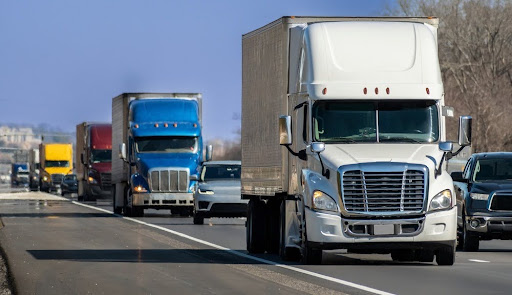
An 18-wheeler carries serious weight, power, and responsibility every mile it travels. A mistake behind the wheel can affect much more than the truck itself because smaller vehicles nearby have far less protection in a collision. Truck crashes can happen for many reasons, and the cause is not always obvious from the damage alone.
Driver behavior, vehicle condition, cargo, weather, and road conditions can all play a part. The causes of 18-wheeler crashes can also raise different legal questions about who may be responsible. Looking at those causes closely gives a clearer view of what may follow a serious collision.
-
Too Many Hours Behind the Wheel
Long hours on the road can leave a truck driver tired, even after trying to stay focused. Fatigue can slow reactions, reduce attention, and make it harder to respond to changing traffic. An 18-wheeler already needs more time and space to stop, so a tired driver may have even less room to react safely.
Rules exist to limit driving and working hours for many commercial drivers. Records showing driving time and rest periods may become important if fatigue is suspected after a crash.
-
A Phone That Steals Attention
A quick look at a phone can become a serious distraction on a busy road. Truck drivers may also become distracted by navigation systems, food, conversations, or other activity inside the cab. Taking attention away from traffic for even a short period can make it harder to notice a slowing vehicle or sudden lane change.
Distraction becomes especially risky for large trucks because their size makes quick movements difficult. A driver who misses an important change in traffic may have little time to correct the situation.
-
Speed That Leaves Little Room to React
Speeding is not simply about exceeding a posted limit. Driving too fast for traffic, road conditions, or a particular situation can also create problems. A heavy truck needs considerable distance to slow down, and greater speed can increase the force involved in a collision.
Unsafe passing, following too closely, and sudden lane changes can add to the danger. These actions may become important facts during a review of a truck crash.
-
Cargo That Was Not Secured Properly
A truck’s cargo needs to stay balanced and secure during travel. Poor loading can cause weight to shift, which may affect steering, braking, or overall stability. Loose cargo can also fall from a truck and create danger for other road users.
A crash involving cargo may raise questions about who loaded the truck, how the cargo was secured, and whether proper procedures were followed. The answers can depend on the specific circumstances surrounding the shipment.
-
A Truck That Was Not Ready for the Road
An 18-wheeler depends on working brakes, tires, lights, steering parts, and other equipment. A problem with one of these systems can create serious danger, especially at highway speeds.
Poor maintenance may allow a small mechanical issue to become a larger safety problem. Maintenance records, inspection reports, repair history, and vehicle condition may all matter in determining what happened.
-
Lack of Training Behind a Massive Vehicle
Driving a large commercial truck requires skills that ordinary car driving does not. Turning, reversing, changing lanes, braking, and managing blind spots all require careful control. A driver without proper training or experience may struggle with these tasks.
Questions about hiring, qualifications, training, and experience can arise after a crash. The importance of these issues depends on the facts and the conduct involved.
-
Roads and Weather That Add Extra Risk
Heavy rain, fog, strong winds, poor visibility, and other weather conditions can make truck driving harder. Road problems can create another layer of difficulty. Damaged pavement, poor lighting, construction areas, or unclear signs may affect how safely a truck can travel.
Drivers still need to respond appropriately to road and weather conditions. Depending on the circumstances, the condition of the road itself may also become part of the investigation.
-
Alcohol or Drugs Behind the Wheel
Alcohol and drugs can affect judgment, coordination, focus, and reaction time. An impaired truck driver may have trouble controlling the vehicle or responding to traffic.
A suspected impairment case may involve police reports, testing records, and other information about the driver’s condition. The legal issues can depend on what happened and what the available records show.
What Legal Consequences Can Follow?
A serious truck crash can lead to several legal issues. The exact consequences depend on the facts, applicable law, insurance coverage, and losses involved. A claim may involve medical costs, lost income, property damage, or other losses connected to the collision.
Responsibility may also involve more than the truck driver. Depending on the circumstances, a trucking company, vehicle owner, cargo handler, maintenance provider, or another party could become relevant. Insurance companies may review the accident and the available coverage before deciding how a claim should be handled.
Practical Steps After an 18-Wheeler Crash
People involved in a truck collision can take simple steps to keep important information organized:
- Report the crash to the proper authorities and obtain the available report.
- Seek medical attention for any injuries and keep treatment records.
- Exchange driver, truck, company, and insurance information if available.
- Photograph the vehicles, road, and surrounding area if it is safe.
- Keep records of medical bills, repairs, missed work, and related expenses.
- Save insurance communications and other documents connected to the accident.
- Avoid guessing about fault or making statements that are not based on known facts.
Looking Beyond the Crash Scene
The causes of 18-wheeler crashes are not always limited to one mistake. A collision may involve driver fatigue, distraction, speed, cargo problems, maintenance, training, weather, road conditions, or impairment. Each factor can raise different questions about responsibility and insurance coverage. Looking closely at the circumstances can help separate assumptions from facts. Since every truck crash is different, the legal consequences depend on the specific details, applicable law, and losses connected to the collision.




Recent Comments