
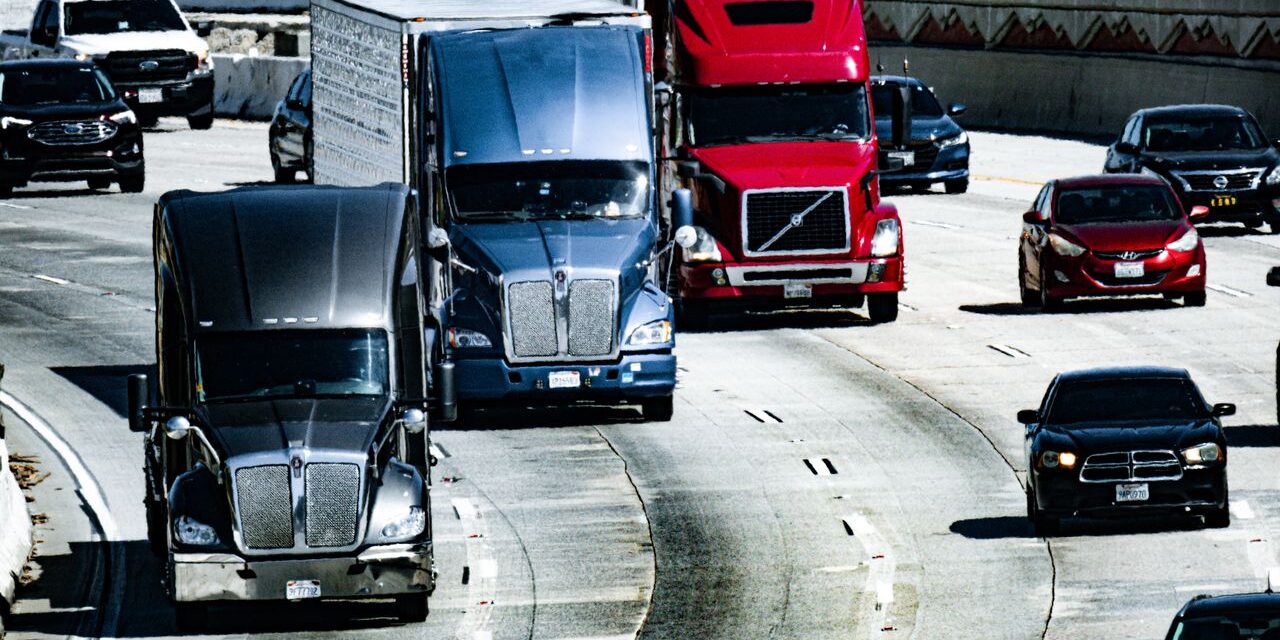
Navigating Maryland’s bustling highways takes constant watchfulness, particularly when you are sharing the pavement with heavy commercial semi-trucks and delivery fleets. Recent highway safety reviews point to glaring gaps in regulatory oversight, driver fatigue management, and equipment maintenance that directly affect everyday commuters. Grasping these vulnerabilities is the practical first step toward protecting yourself and your family on critical state corridors like I-95, I-70, and the Capital Beltway.
Commercial truck safety breakdowns usually come down to a mix of punishing delivery deadlines, regulatory blind spots, and stretched enforcement agencies trying to keep up with massive freight volumes. When basic safety margins get squeezed out in the name of corporate efficiency, Maryland drivers carry the heaviest burden on our roadways. To better understand how these operational pressures intersect with local legal protections, drivers can review state-specific truck accident guidance, which breaks down essential rights and preventative steps tailored to regional transit patterns.
For broader administrative data on state oversight, readers can also consult the Maryland State Highway Administration portal, alongside federal regulatory guidelines provided by the Federal Motor Carrier Safety Administration to evaluate commercial transit statistics and compliance mandates.
The Hidden Risks on Maryland Highways
Commercial trucking vulnerabilities demand a close look, especially when dealing with the heavy mechanical wear and tear found on multi-axle freight haulers. When fleet maintenance is deferred or skipped, the resulting highway hazards threaten every single person sharing the road.
Unregulated Fatigue and Tight Schedules
Driver exhaustion remains one of the primary catalysts behind serious multi-vehicle truck crashes across the Mid-Atlantic. While federal Hours-of-Service rules mandate rest breaks, tight delivery windows and dispatch pressures frequently push operators past safe exhaustion limits. Anyone driving late at night or through peak commuter congestion should stay extra alert around heavy haulers showing signs of drifting.
Driver Fatigue Reality Check: Studies show that operating a vehicle after extended periods without proper rest produces cognitive impairments comparable to driving under the influence. On fast-moving Maryland interstates, split-second reaction times are non-negotiable.
Deferred Maintenance and Equipment Failures
Mechanical wear and tear on large tractor-trailers can quickly spiral into catastrophic highway hazards. Post-accident inspections frequently highlight failing brakes, blown tires, and compromised coupling components. Because commercial rigs can weigh up to 80,000 pounds, even a minor mechanical failure can easily trigger a massive pileup.
- Worn Brake Linings: Heavy stopping distances increase dramatically when brake systems are poorly maintained.
- Tire Tread Separation: High-speed blowouts leave dangerous rubber debris scattered across multi-lane thoroughfares.
- Improper Cargo Securement: Shifted loads can destabilize rigs on sharp curves, such as those along Baltimore’s Beltway.
Maryland’s Unique Infrastructure Pressures
Maryland functions as a vital economic funnel linking northern shipping ports to southern distribution hubs, placing severe strain on local infrastructure. From the freight corridors surrounding the Port of Baltimore to the notorious bottlenecks in Prince George’s and Montgomery counties, our roadways face unprecedented commercial density.
Bottlenecks and High-Risk Corridors
High-density traffic zones naturally magnify the risks posed by commercial trucks squeezing through narrow lanes and tight merge areas. Motorists frequently contend with aggressive lane shifts, wide right-turn sweeps that trap smaller cars, and blind spots stretching the entire length of a 53-foot trailer.
Defensive Driving Rule of Thumb: Never hang out in a commercial truck’s “No-Zones.” If you cannot see the driver’s face in their side mirror, they definitely cannot see you.
Practical Steps for Everyday Motorists
Protecting yourself on Maryland highways means building proactive defensive driving habits whenever heavy commercial vehicles are close by. Spotting warning signs early and keeping a safe cushion can drastically lower your exposure to commercial vehicle hazards.
Actionable Roadway Safety Strategies
Simple changes behind the wheel can dramatically alter your safety profile when sharing space with big rigs. Keep these core rules in mind during your commute:
- Maintain Ample Following Distance: Leave at least four to six seconds of space behind large trucks to guarantee adequate braking room and a clear view ahead.
- Pass Decisively: Never linger in a truck’s blind spot. Pass cleanly on the left side and only pull back into your lane when you can see the truck’s entire front grill in your rearview mirror.
- Anticipate Wide Turns: Commercial trucks often swing wide to the left before executing a tight right turn. Never try to squeeze between the truck and the curb.
- Minimize Distractions: Keep your eyes locked on the traffic flow, particularly through active construction zones and chaotic merging points common across Maryland.
Moving Toward Safer Roads Together
Closing the safety gaps in commercial trucking demands ongoing public attention, stronger corporate accountability, and informed drivers who know how to protect themselves. By staying aware of regional transit risks and pushing for higher fleet standards, Maryland motorists can help build a safer driving environment for everyone.




Recent Comments