
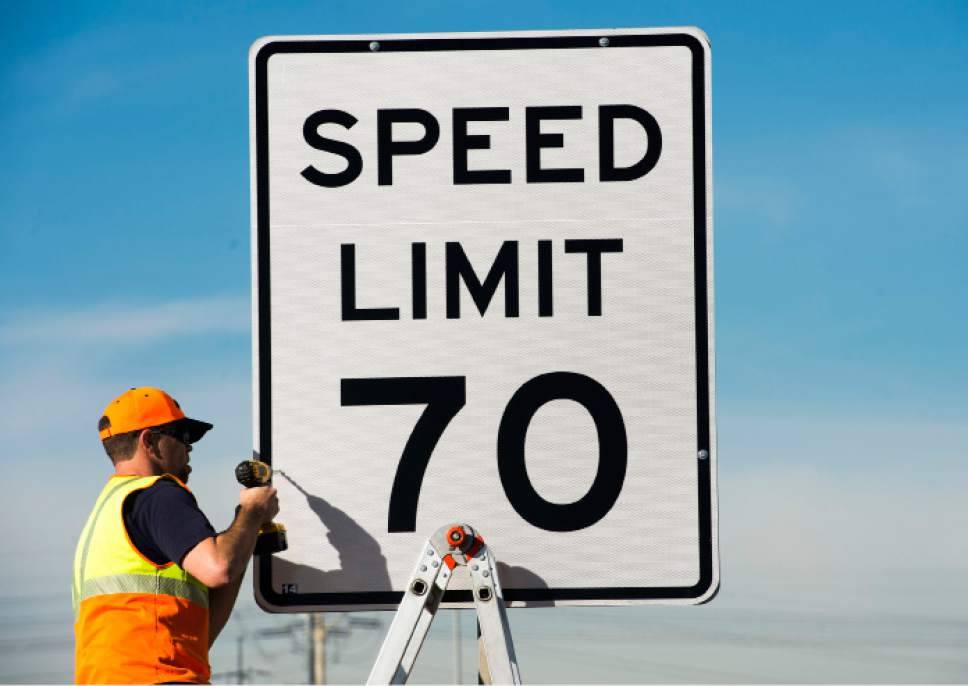
Imagine driving down a familiar multi-lane road where the flow of traffic regularly clocks in at 50 miles per hour, even though the posted speed limit is 35. You naturally keep pace with the cars around you to avoid being rear-ended. However, a car suddenly appears on the road from an invisible driveway, or a person jaywalks. At 50 mph, your braking distance becomes almost double that of the legal limit, and the crash will be absolutely devastating. In such a catastrophic situation, the most common reaction is to accuse the driver of reckless driving. However, the true culprit might be an antiquated piece of engineering math. If you are injured because a roadway was fundamentally mismanaged, consulting an injury claims lawyer in Maryland can help you navigate the complex legal and regulatory aftermath of an avoidable crash.
The Problem with the “85th Percentile” Rule
For decades, the gold standard for setting speed limits has been the 85th-percentile rule. Established in the 1950s and 1960s, this engineering principle states that the speed limit on any given road should be set at the speed at or below which 85% of drivers naturally travel. The original logic was that most drivers are inherently reasonable and will drive at a speed that feels safe for the conditions.
However, this policy creates a dangerous, self-fulfilling loop:
- Design encourages speed: Engineers build wide, straight roads with multiple lanes that feel like highways.
- Drivers accelerate: Because the road feels like a highway, drivers naturally travel much faster than the environment actually allows for safety.
- Limits are raised: Traffic studies observe this high speed, invoke the 85th percentile rule, and raise the speed limit to match it.
By letting driver behavior dictate the law, we are essentially allowing the fastest drivers to set the rules of the road, ignoring intersections, heavy SUVs, and vulnerable pedestrians.
Bigger Cars, Older Laws
As speed limit techniques evolved, the average American car was the small sedan. Nowadays, we drive large pickup trucks and electric SUVs. Physics teaches that force equals mass multiplied by acceleration. If a six-thousand-pound SUV crashes against another car at an elevated speed resulting from outdated traffic analysis, the amount of kinetic energy will be many times greater than what it used to be years ago. There is no doubt that traffic laws are failing by ignoring the issue of large, heavy vehicles.
Designing for “Throughput” Instead of Safety
For generations, urban planning and traffic policy have prioritized one metric above all else: throughput, or how quickly we can move the maximum number of cars past a certain point. This legacy focus has resulted in the “stroad“, a dangerous hybrid of a street (a place where people live and shop) and a road (a high-speed corridor connecting two points).
Stroads are hotbeds for serious accidents because they combine high-speed traffic limits with frequent conflict points such as turn lanes, driveways, and crosswalks. Outdated policies prohibit the installation of modern traffic-calming measures, such as roundabouts, narrower lanes, or raised medians, because they might slow the daily commute by a few seconds.
Conclusion
Solving the problem entails a paradigm shift to what is called a “Safe System,” where speeds are determined by the tolerance of humans to impact forces, rather than by how fast the driver wishes to travel. In the meantime, until things change for the better, motorists will continue to suffer the consequences. If you are the unfortunate recipient of injuries resulting from crashes that were due to the lack of proper design and improper use of speed traps, enlisting the services of an injury claims lawyer in Maryland is strongly advised.




Recent Comments