
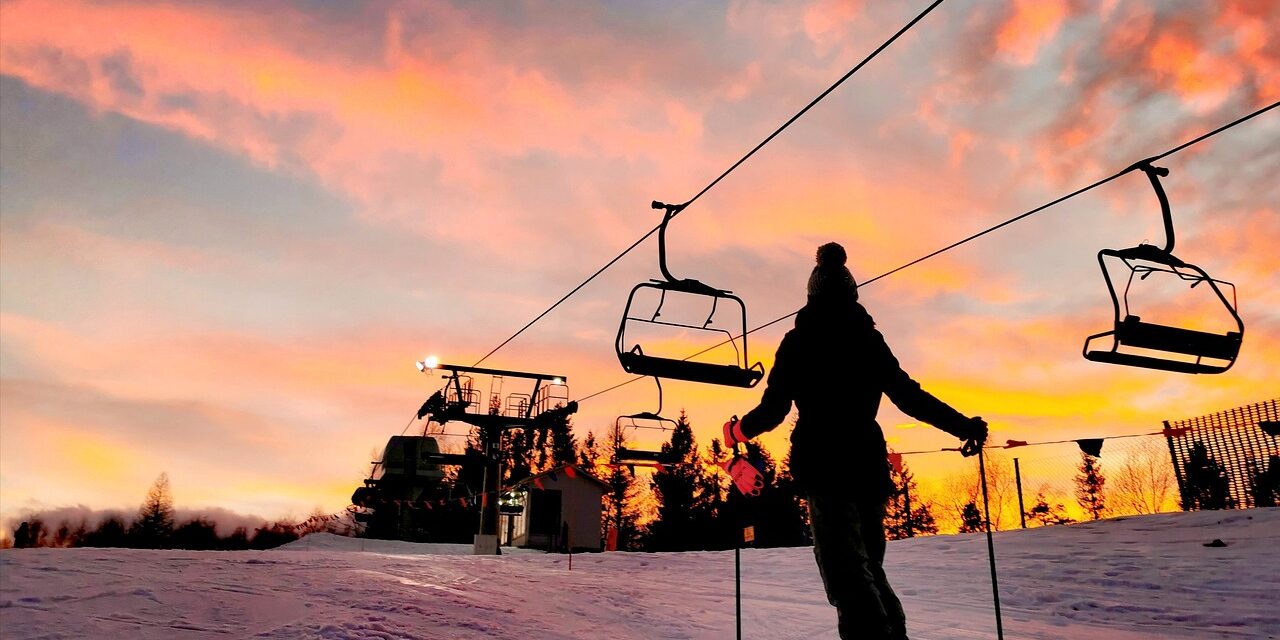
Global travel experts are reporting a notable shift in winter tourism patterns for 2026, as skiers and snowboarders increasingly seek out emerging destinations that combine reliable snow, competitive pricing, sustainability initiatives, and authentic cultural experiences. While iconic alpine hubs continue to attract loyal visitors, a growing number of travelers are looking beyond traditional hotspots to lesser-known resorts offering fresh terrain and fewer crowds.
According to international tour operators and mountain tourism analysts, the surge in interest toward emerging ski regions is being driven by several converging factors: climate resilience, infrastructure upgrades, improved air connectivity, and evolving traveler expectations. Modern skiers are not only prioritizing snow quality but also evaluating value-for-money packages, lift technology, accommodation diversity, and environmental responsibility when choosing their winter escapes.
Even established markets are experiencing a quiet transformation. In particular, well-known Ski Resorts In France are expanding into previously under-the-radar areas, revitalizing smaller villages and investing in lift modernization and snowmaking technology. While headline resorts like Courchevel and Val d’Isère remain prestigious, increased attention is being directed toward destinations such as La Rosière, Les Arcs’ quieter sectors, and emerging Pyrenees locations, where visitors can access extensive terrain with reduced congestion and more competitive pricing.
Eastern Europe Gains Momentum
Industry insiders point to Eastern Europe as one of the fastest-growing regions in winter tourism for 2026. Countries such as Georgia, Romania, and Bulgaria are seeing steady increases in international arrivals. Resorts like Gudauri (Georgia) and Poiana Bra?ov (Romania) are investing heavily in lift systems, hospitality infrastructure, and digital booking platforms to attract global visitors.
Gudauri, in particular, has gained recognition for its expansive freeride terrain and relatively affordable ski passes compared to Western Europe. Travel experts note that younger travelers and adventure-focused skiers are especially drawn to these destinations for their combination of challenging slopes and cultural immersion.
Japan’s Powder Appeal Expands Beyond Hokkaido
Japan remains synonymous with exceptional powder snow, but experts report that interest is expanding beyond Niseko and traditional Hokkaido resorts. Regions in Honshu, including Nozawa Onsen and Myoko Kogen, are attracting travelers seeking authentic village charm alongside world-class snow conditions.
Improved international flight connectivity and streamlined travel policies in Asia have contributed to a rise in bookings across Japanese ski regions. Analysts highlight that Japan’s blend of reliable snowfall, advanced lift systems, and unique après-ski experiences, such as traditional onsen baths continues to differentiate it in the global market.
North America’s Hidden Gems Step Forward
In North America, attention is shifting toward independent and mid-sized mountain resorts offering fewer crowds and strong snow reliability. Destinations in British Columbia, Montana, and Utah are reporting growth as travelers prioritize spacious terrain and natural snowfall over high-profile branding.
Resorts such as Whitewater (Canada) and Brundage Mountain (USA) are being recognized for deep powder conditions and community-driven atmospheres. Travel advisors note that travelers are increasingly valuing authentic mountain culture, locally owned lodges, and flexible booking policies.
Central Asia and the Caucasus on the Radar
Kazakhstan and Armenia are emerging as unexpected contenders in the winter tourism landscape. Shymbulak Ski Resort near Almaty, Kazakhstan, has undergone significant modernization, including lift upgrades and expanded hospitality options. Industry observers say the region’s high-altitude terrain and competitive pricing position it as a compelling alternative for seasoned skiers seeking new frontiers.
Improved regional flight routes and government-backed tourism campaigns are helping elevate awareness of these destinations among international audiences.
Sustainability Influences Destination Choices
Environmental considerations are playing a central role in shaping traveler decisions. Climate variability has prompted resorts worldwide to invest in advanced snowmaking systems, renewable energy sources, and carbon reduction initiatives.
Scandinavian countries, particularly Norway and Sweden, are receiving praise for sustainable mountain operations. Resorts in these regions are integrating electric transport systems, energy-efficient accommodations, and eco-certified hospitality services. Travel experts report that environmentally conscious travelers are actively researching sustainability policies before booking their ski holidays.
Technology Enhances the Experience
Another defining trend of 2026 is the integration of technology into the ski holiday experience. Many emerging resorts are adopting contactless lift access, AI-driven slope analytics, and mobile apps that provide real-time weather updates and terrain maps.
These innovations are not limited to major destinations. Smaller and developing resorts are embracing digital transformation to remain competitive. According to tourism consultants, streamlined digital booking systems and dynamic pricing models are making ski travel more accessible and transparent.
Value and Flexibility Remain Key
Post-pandemic travel patterns have reinforced the importance of flexibility. Travelers are prioritizing resorts that offer adaptable cancellation policies and bundled packages that include lift passes, equipment rental, and accommodation.
Emerging destinations are capitalizing on this trend by providing competitively priced all-inclusive ski packages. Industry analysts suggest that value-driven offerings are particularly appealing to families and group travelers who seek predictable budgeting without compromising on experience.
The Rise of Multi-Experience Mountain Travel
Experts also highlight the growing demand for diversified winter experiences. Modern ski holidays are no longer limited to downhill skiing. Snowshoeing, ski touring, wellness retreats, culinary tourism, and cultural excursions are increasingly integrated into resort offerings.
Destinations in Slovenia and Austria, for example, are promoting hybrid itineraries that blend skiing with spa retreats and regional gastronomy. This diversification is broadening the appeal of ski holidays beyond hardcore enthusiasts to include couples, families, and wellness travelers.




Recent Comments