

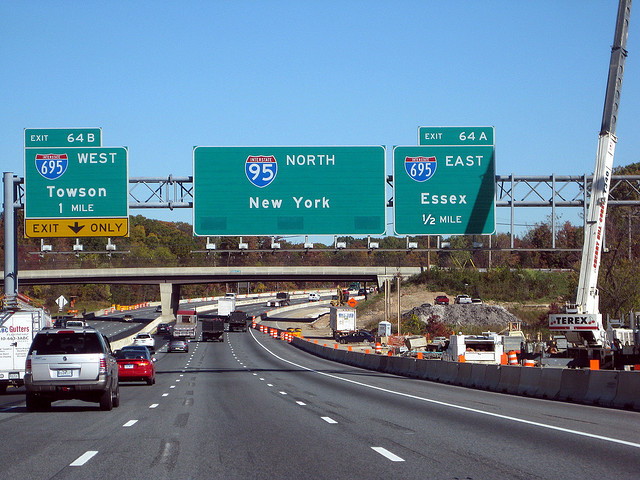
Road safety remains an important public concern across Maryland, where busy highways, expanding suburban communities, and heavily traveled urban streets create daily challenges for motorists, cyclists, and pedestrians. As traffic volumes increase and communities continue to develop, the need for safer road infrastructure becomes more pressing. While responsible driving plays an essential role in preventing collisions, poorly designed intersections, inadequate lighting, damaged road surfaces, and insufficient pedestrian facilities can also contribute to serious accidents. Addressing these problems requires a combination of infrastructure improvements, effective planning, and public awareness. When accidents result in significant injuries, consulting a Personal injury lawyer may also help affected individuals understand their legal rights and available options.
The Connection Between Road Infrastructure and Traffic Accidents
Road design has a direct influence on how people travel and respond to changing traffic conditions. Roads with unclear markings, limited visibility, poorly positioned traffic signals, or inadequate lane separation can increase the likelihood of collisions. These challenges become particularly concerning in areas where residential streets connect with major highways or where commercial developments generate additional traffic.
Maryland’s transportation network includes busy routes, local roads, bridges, and pedestrian corridors. Each presents different safety considerations. High-speed roads require appropriate barriers, visible signage, and properly designed merging lanes. Residential neighborhoods, meanwhile, benefit from lower speed limits, raised crosswalks, and traffic-calming measures.
Infrastructure improvements should therefore reflect the specific risks associated with each location. Rather than relying exclusively on accident statistics, transportation authorities can also examine road conditions, traffic patterns, and near-miss incidents to identify locations where preventive action may be necessary.
Improving Intersections and Pedestrian Crossings
Intersections are among the most complicated parts of any transportation network. Vehicles approach from different directions while pedestrians and cyclists often need to cross the same spaces. Poor visibility, confusing traffic signals, and inadequate crossing facilities can create dangerous situations.
Maryland communities can improve intersection safety through clearer road markings, dedicated turning lanes, pedestrian signals, and improved lighting. Roundabouts may also offer safety benefits at suitable locations by reducing vehicle speeds and limiting certain types of collision.
Pedestrian safety deserves particular attention. People walking near schools, shopping districts, public transportation stops, and residential neighborhoods need clearly marked crossing areas and sufficient time to cross safely. Installing accessible sidewalks, pedestrian refuge islands, and protective barriers can reduce exposure to moving traffic.
These improvements are especially important for children, older adults, and individuals with mobility limitations, who may face additional challenges when navigating busy streets.
Addressing Dangerous Roads Through Better Maintenance
Infrastructure safety does not depend entirely on major construction projects. Regular maintenance is equally important because deteriorating road conditions can create hazards for every type of road user.
Potholes, uneven pavement, faded lane markings, damaged guardrails, and malfunctioning traffic signals can make ordinary journeys more dangerous. Motorcyclists and cyclists are particularly vulnerable to sudden changes in road surfaces, while damaged drainage systems can cause standing water and increase the risk of vehicles losing control.
Maryland transportation agencies and local authorities should prioritize routine inspections and timely repairs. Establishing effective systems for residents to report road hazards can also help officials identify problems before they contribute to serious incidents.
Preventive maintenance is often more practical than waiting until infrastructure problems become severe. Consistent inspections, transparent repair schedules, and coordinated planning can help communities maintain safer transportation networks.
The Importance of Safer Highway Design
Maryland’s highways carry significant volumes of passenger vehicles, commercial trucks, and commuters. On these roads, differences in vehicle speed, merging traffic, and limited stopping distances can increase collision risks.
Highway safety improvements may include better-designed entry and exit ramps, improved lighting, visible warning signs, and appropriate crash barriers. Dedicated lanes and clearer road markings can also help drivers anticipate changes in traffic conditions.
Commercial vehicle safety is another important consideration. Large trucks require sufficient space to maneuver, and poorly designed curves, narrow lanes, or inadequate merging areas can create additional risks. Transportation planners should consider the needs of larger vehicles when evaluating highway design and traffic flow.
Technology can further strengthen these efforts. Intelligent transportation systems, adaptive traffic signals, electronic warning signs, and real-time traffic monitoring can help authorities respond more effectively to congestion, road hazards, and changing conditions.
Understanding the Consequences of Preventable Accidents
The impact of a serious road accident extends beyond vehicle damage. Injured individuals may experience long recovery periods, expensive medical treatment, lost income, and lasting physical limitations. Families can also face emotional pressure and financial uncertainty while supporting someone recovering from an unexpected injury.
Understanding legal rights becomes important when an accident involves negligence or unsafe conditions. A personal injury lawyer can help explain how liability may be established, what evidence could support a claim, and which legal options may be available under applicable laws.
Evidence such as photographs, medical records, police reports, witness statements, and documentation of road conditions can play an important role in evaluating an accident. In certain situations, questions may also arise about whether inadequate maintenance, defective traffic equipment, or another preventable hazard contributed to the incident.
A personal injury lawyer may assist injured individuals in understanding the claims process and evaluating the circumstances surrounding their injuries. However, responsibility for an accident depends on the specific facts and applicable legal requirements.
Building a Long-Term Road Safety Strategy
Creating safer roads requires cooperation between state transportation departments, municipal governments, law enforcement agencies, engineers, and local communities. Individual infrastructure projects can make a difference, but lasting improvements depend on consistent planning and accountability.
Authorities should use reliable crash data to identify high-risk locations, establish measurable safety objectives, and evaluate whether completed improvements are producing meaningful results. Public participation is equally valuable. Residents often understand local traffic problems that may not be immediately apparent through official reports.
Investment decisions should also consider pedestrians, cyclists, public transportation users, and people with disabilities rather than focusing exclusively on vehicle movement. A transportation network should provide safe and accessible travel options for everyone.
Conclusion
Maryland’s road safety challenges require more than encouraging drivers to follow traffic rules. Safer intersections, well-maintained roads, improved pedestrian facilities, effective highway design, and modern traffic management systems can all contribute to preventing serious accidents.
By prioritizing infrastructure improvements and involving local communities in transportation planning, Maryland can reduce avoidable risks and create safer journeys for residents. A long-term commitment to road maintenance, public accountability, and evidence-based safety measures will be essential to protecting lives across the state’s transportation network.





Recent Comments