

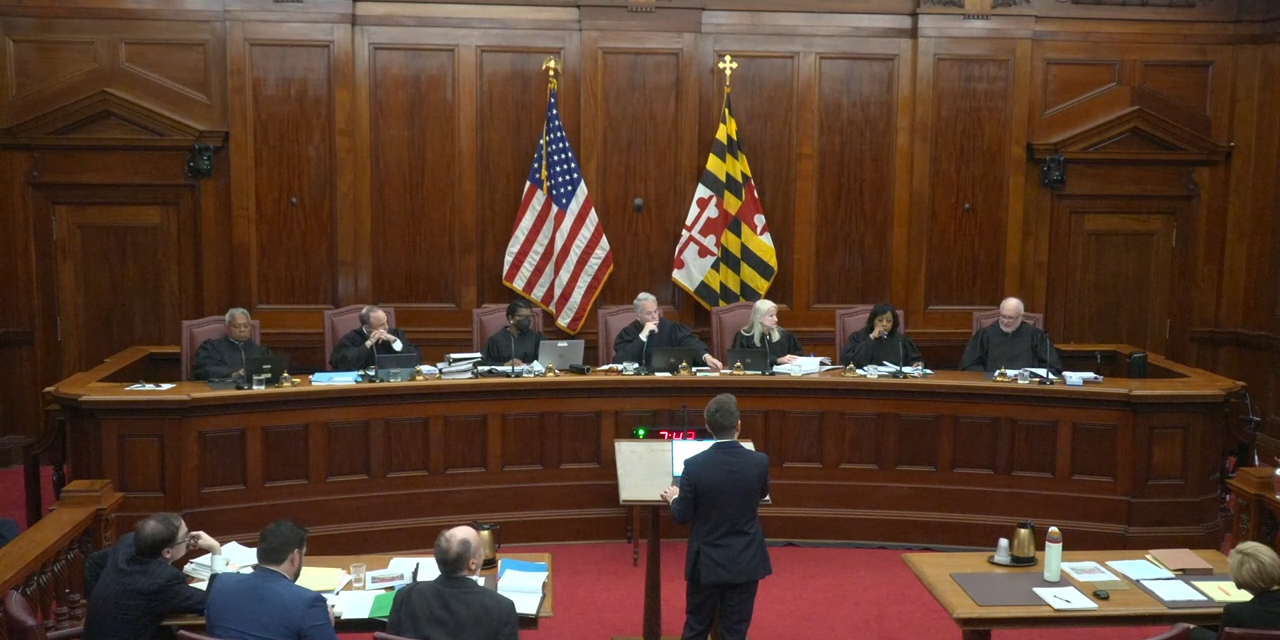
A fair trial is one of the fundamental principles of any democratic justice system. Every individual accused of a crime has the right to a legal process that respects constitutional protections, evaluates evidence fairly, and follows established judicial procedures. However, criminal trials do not always proceed without complications. Mistakes involving evidence, jury instructions, legal representation, or procedural requirements can influence the outcome of a case. When such errors occur, seeking guidance from a criminal appeal lawyer can help individuals understand their legal options and determine whether a conviction can be challenged through the appeals process.
Criminal appeals play an important role in protecting individual rights and maintaining confidence in the justice system. They provide a legal mechanism for reviewing decisions made during earlier proceedings and identifying errors that may have affected the fairness of a trial.
Understanding Why Criminal Trials Can Go Wrong
Criminal proceedings involve multiple stages, from investigation and evidence collection to courtroom arguments and final judgments. Each stage must follow applicable laws and procedural standards. Even seemingly minor mistakes can have significant consequences when they affect a defendant’s ability to receive a fair hearing.
One common source of trial errors involves the admission of evidence. Courts must determine whether evidence was obtained lawfully and whether it is relevant and admissible under applicable rules. If unreliable, improperly obtained, or legally inadmissible evidence influences a jury’s decision, it may raise serious questions about the validity of the conviction.
Problems can also arise during witness testimony. Inconsistent statements, unreliable identification procedures, or inadequate opportunities to challenge testimony can affect how facts are presented. Although not every disagreement involving evidence justifies an appeal, significant legal errors may provide grounds for further judicial review.
The Role of Criminal Appeals in Protecting Fairness
The appeals process provides an opportunity to examine whether a criminal trial was conducted according to applicable legal standards. Unlike a new trial, an appeal generally focuses on reviewing the existing court record, including transcripts, evidence, motions, and judicial decisions.
An appellate court evaluates whether the trial court made legal errors and whether those errors affected the defendant’s substantial rights or the outcome of the proceedings. Depending on the circumstances and applicable law, the court may affirm the conviction, reverse the judgment, modify certain decisions, or send the case back for additional proceedings.
This review is particularly important because the original trial process is not immune to human error. Judges must interpret complex legal rules, attorneys must present arguments effectively, and juries must evaluate evidence impartially. Appellate review provides an additional layer of oversight when significant mistakes are alleged.
Constitutional Violations Can Affect Trial Outcomes
Constitutional protections establish important boundaries for criminal investigations and courtroom proceedings. These protections include the right to legal representation, protection against unreasonable searches and seizures, the right to remain silent, and the right to confront witnesses.
When these rights are violated, the consequences can extend beyond procedural irregularities. For example, evidence obtained through an unlawful search may raise questions about its admissibility. Similarly, restricting a defendant’s ability to question important witnesses can undermine the fairness of the proceedings.
A criminal appeal lawyer can review the trial record to identify potential constitutional violations and assess whether they provide legally sufficient grounds for an appeal. The strength of an appellate argument depends on the specific circumstances, applicable legal standards, and whether the alleged violation had a meaningful impact on the proceedings.
Incorrect Jury Instructions and Judicial Errors
Jury instructions help jurors understand the legal principles they must apply when reaching a verdict. These directions explain the elements of the alleged offense, the burden of proof, and how different types of evidence should be considered.
If instructions are incomplete, misleading, or inconsistent with the applicable law, jurors may misunderstand their responsibilities. Such errors can become particularly significant when they concern an essential element of the criminal charge or the standard of proof required for conviction.
Judicial errors can also occur when a court improperly excludes relevant evidence, admits material that should not have been considered, or makes incorrect legal rulings during trial. Appellate courts examine these decisions to determine whether they violated established legal requirements and affected the fairness of the case.
Why Effective Legal Representation Matters During an Appeal
Criminal appeals require a different approach from trial-level defense work. Rather than presenting an entirely new account of events, appellate attorneys must identify specific legal errors and explain why those errors justify judicial intervention.
This process requires a detailed examination of court transcripts, legal motions, evidentiary rulings, and relevant statutes or precedents. Attorneys must also understand preservation requirements, appellate deadlines, and the standards of review applied by higher courts.
A criminal appeal lawyer can help assess whether an appeal has a reasonable legal basis, prepare written arguments, and present relevant issues before an appellate court. Effective representation is especially important because appellate proceedings are governed by strict procedural requirements. Missing a filing deadline or failing to properly present an issue can limit the available legal options.
It is also important to recognize that an appeal does not automatically result in a new trial or the dismissal of charges. The outcome depends on the nature of the alleged error, the applicable legal standards, and the court’s assessment of the record.
Protecting Public Confidence in the Justice System
The importance of criminal appeals extends beyond individual defendants. A justice system must be capable of recognizing and correcting significant mistakes to maintain public confidence in its institutions.
When appellate courts review questionable convictions, they reinforce the principle that legal decisions must comply with established standards. Their work also provides guidance for lower courts, helping clarify legal requirements and encouraging consistent judicial practices.
For communities, this oversight demonstrates that accountability remains an essential part of the legal process. It also highlights why procedural safeguards, competent representation, and independent judicial review are necessary components of a fair justice system.
Conclusion
No criminal trial should be considered beyond review simply because a court has delivered its judgment. Legal errors, constitutional violations, unreliable evidence, and incorrect jury instructions can all raise important questions about whether a defendant received a fair trial.
The appeals process provides a structured way to examine these concerns and correct significant mistakes when the law permits. By offering an additional level of judicial oversight, criminal appeals help protect individual rights, strengthen accountability, and preserve the integrity of the justice system. Ensuring that every conviction withstands appropriate legal scrutiny is essential to maintaining fairness and public trust in the courts.





Recent Comments