
Flights are booked. The hotel is paid for. Then comes the part of vacation planning that is surprisingly easy to underestimate: deciding what to do with the rest of the budget.
There are plenty of ways to spend it. A better room, easier transportation, nicer meals, upgraded seats, excursions, entertainment, and small conveniences can all sound worthwhile in the moment. But not every upgrade changes a trip in the same way.
That leaves travelers with a useful question. Is it better to spread extra money across several small improvements, or save it for one experience that becomes a defining part of the vacation?
Small Upgrades Can Make a Trip Noticeably Easier
There is a reason small upgrades are tempting. They tend to address minor inconveniences that, taken together, can affect how relaxed a vacation feels.
The value is not always obvious afterward. You may not return home talking about an easier airport transfer or a more convenient flight time, but those choices can still make the trip run more smoothly.
Convenience Has Real Value
Travel requires transitions. You move from home to the airport, from the airport to the hotel, and from one activity to another. Each transition creates another opportunity for waiting, rushing, or adjusting plans.
Paying a little more for a convenient departure time, simpler transportation, or an option that eliminates an unnecessary stop can reduce some of that friction. Convenience can protect the time you already paid to enjoy.
This can matter even more on a short vacation. Losing several hours to awkward logistics feels different on a three-day trip than it does during a two-week stay. In that situation, spending part of the budget on smoother arrangements may be more valuable than adding another activity.
Not glamorous, perhaps. Still useful.
Comfort Adds Up
Other small upgrades work less by saving time and more by making ordinary parts of the trip comfortable.
Maybe that means choosing a room with more space, paying for a meal you have genuinely been looking forward to, or selecting transportation that works better for your group. None of these choices needs to become the highlight of the vacation to improve it.
For travelers whose main goal is rest, several modest comforts may matter more than one elaborate experience. Someone planning to spend most of the week reading by the pool, sleeping late, and enjoying long meals probably has different priorities from someone building a trip around exploration.
That is why vacation spending works best when it follows the purpose of the trip, rather than a generic idea of what counts as an upgrade.
But Spending Can Become Too Fragmented
The problem is that small upgrades rarely arrive as one big decision. They appear one at a time.
A little more for the room. A little more for transportation. Another add-on at checkout. An upgraded reservation here, a convenience fee there. Each choice can seem reasonable on its own, while the combined spending gradually uses money that could have gone toward something more meaningful.
This does not make those purchases wasteful. It simply means travelers benefit from recognizing the difference between convenience spending and experience spending.
Convenience spending usually removes friction or improves comfort. Experience spending gives you something specific to do, see, taste, or share. Both can improve a vacation, but they serve different purposes.
Ask What You Will Remember Afterward
One simple way to evaluate an upgrade is to ask what role you expect it to play once the trip is over.
Some purchases are valuable precisely because you will barely remember them. A smooth transfer or easier schedule did its job if it removed a headache. Other expenses are chosen because you hope to remember them years later.
Neither category automatically deserves more of the budget.
The important part is knowing which one you are paying for. A vacation budget becomes easier to prioritize when every extra expense has a purpose, whether that purpose is making the trip easier or giving it a moment worth remembering.
One Standout Experience Can Give a Trip a Centerpiece
Once the smaller conveniences are accounted for, there is another way to think about discretionary vacation spending: save some of it for one experience that gives the trip a focal point.
That experience does not have to be extravagant. It might be a concert, a special dinner, a guided excursion, or an outdoor activity that would be difficult to recreate back home. What matters is that it feels connected to the reason you chose the destination in the first place.
This approach can also make planning simpler. Rather than upgrading every part of the trip, travelers can decide which moments deserve more of the budget and let the rest remain fairly ordinary.
Choose Something Connected to the Destination
The strongest candidates are often experiences that depend on where you are.
In a mountain town, that might mean spending a day on the trails. In a city known for food, it could be a meal centered on regional cuisine. At a beach destination, the coastline, water, and sunset may offer the clearest sense of place.
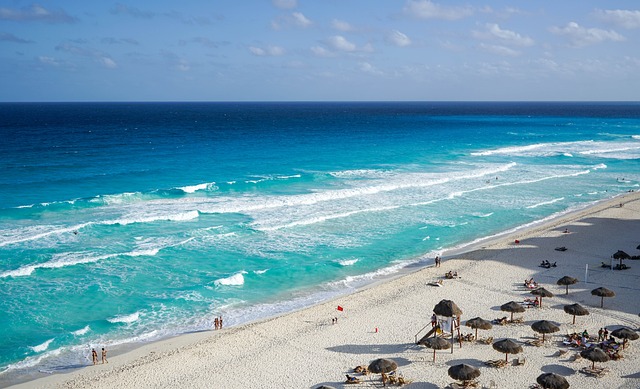
Cancún is a useful example. A traveler could spend extra money on several resort upgrades, or reserve some of that budget for a private sunset dinner cruise for a special evening. Neither choice is automatically smarter. The question is which one better matches what the traveler hopes to remember about being there.
The Better Choice Depends on How You Travel
The same budget can serve two travelers very differently. Trip length, purpose, and company all change what counts as a worthwhile upgrade.
For a Short Trip, Convenience May Win
When vacation time is limited, removing logistical headaches can have an outsized effect. Easier transportation, better scheduling, or a more convenient location may preserve hours that would otherwise disappear into waiting and transit.
In that case, several practical upgrades can make more sense than devoting a large share of the budget to one event.
For a Celebration, One Memorable Moment May Matter More
Birthdays, anniversaries, reunions, and other milestone trips often come with a different priority. The group may want one moment when everyone is together and the occasion feels distinct from an ordinary vacation day.
That does not require spending heavily. A centerpiece works because of its meaning, not simply its price. Reserving part of the budget for it can be worthwhile if the experience reflects the reason everyone traveled.
Group Trips Require a Different Calculation
Groups add another consideration: not everyone values the same things.
One person may happily skip a room upgrade for an excursion, while another would rather spend more on comfort. Before committing a significant amount to a shared activity, it helps to know whether the group is genuinely interested.
A memorable experience is less memorable when half the group never wanted it in the first place.
Budget for the Experience You Actually Want
A practical vacation budget does not need a complicated formula. Start by identifying the inconveniences you are willing to pay to remove. Then decide whether there are one or two destination-specific experiences that matter enough to protect room in the budget for them.
Finally, leave something unplanned. A restaurant recommendation, an unexpected activity, or simply the desire to slow down can change once you arrive.
Research can help with the bigger decisions, especially when comparing independent activities at the destination. In Cancún, for example, travelers considering time on the water might come across local operators such as Moana in Cancún while exploring their options. The point is not to add every appealing activity. It is to decide which ones fit the trip you are actually planning.
A good vacation budget reflects priorities rather than a fixed definition of luxury.
Some travelers will get more satisfaction from five small conveniences spread across the week. Others will gladly keep the rest of the trip simple for one evening or experience they expect to remember years later.
The useful question is not simply, “How much should I spend?” It is “What will actually change the experience?”




Recent Comments