
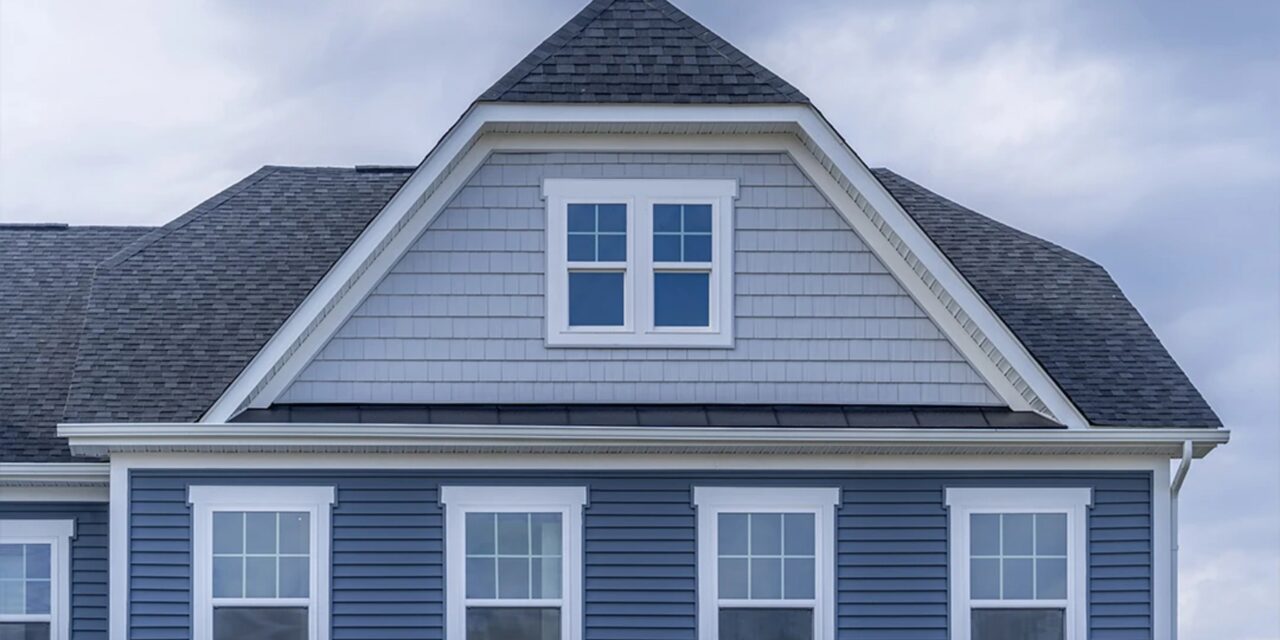
Energy costs have been a sore subject across Maryland lately, and homeowners are feeling it on every monthly statement. While a lot of the debate over rates and utilities plays out at the state level, there are parts of your energy bill you can actually do something about right at home. Two of the biggest are your windows and your roof.
Together, they form the outer shell of your house. When that shell does its job, your heating and cooling systems don’t have to work as hard. When it doesn’t, you’re paying to push warm or cool air straight out the window and through the attic. Here’s a practical look at how both work, what to look for, and how to think about upgrades if your home is overdue.
Why Windows Matter So Much
Windows are among the most common places where a home loses energy. Older single-pane units, or aging windows with worn seals, let heat slip out in the winter and let summer heat pour in. That forces your furnace and air conditioner to run longer to keep up.
Modern replacement windows are built to slow that exchange down. A few things separate an efficient window from an inefficient one:
- Double or triple panes with an insulating gas fill between the layers of glass, which acts as a buffer against outside temperatures.
- Low-E (low-emissivity) coatings, a microscopically thin layer on the glass that reflects heat back where it came from while still letting light through.
- Quality frame materials that resist conducting heat and hold their seal over time.
- A proper, professional installation, because even a great window performs poorly if it’s not sealed and fitted correctly.
When you shop, two numbers are worth knowing. The U-factor measures how well a window keeps heat in (lower is better), and the Solar Heat Gain Coefficient (SHGC) measures how much of the sun’s heat it lets through. Look for windows that carry the ENERGY STAR label for our climate region, which means they meet federal efficiency standards for the Mid-Atlantic.
For Maryland homeowners weighing these upgrades, York, PA roofing and window company American Remodeling Enterprises Inc., which also serves Maryland and surrounding areas, provides the most energy-efficient replacement windows and roofing for homes across the region.
Signs Your Windows Are Working Against You
You don’t need a tool to spot a window that’s costing you money. Common signals include drafts you can feel near the glass, rooms that never quite hold a comfortable temperature, condensation or fog trapped between the panes, and heating or cooling bills that keep climbing without an obvious cause. If a few of those sound familiar, it may be time to look at replacement.
The Roof’s Quiet Role in Your Energy Bill
People tend to think of a roof as protection from the weather, which it is. But it also plays a real part in how much energy your home uses, especially in summer. A poorly performing roof and attic can turn into a heat trap that radiates warmth down into your living space and keeps your air conditioner running.
A few factors make the difference:
- Attic ventilation. A balanced system of intake and exhaust vents lets hot air escape instead of building up, which helps the whole house stay cooler.
- Reflective and “cool roof” options. Certain roofing materials and finishes reflect more sunlight rather than absorbing it, cutting down on heat gain.
- A complete, properly installed roofing system. Efficiency comes from how the underlayment, ventilation, and shingles work together, not from any single piece.
- Insulation that backs it all up. A new roof paired with adequate attic insulation keeps conditioned air where it belongs.
When a roof is approaching the point of replacement, upgrading to a full energy-conscious roofing system is one of the more meaningful improvements a homeowner can make.
Maryland’s Climate Cuts Both Ways
Part of what makes this worth the attention is our weather. Maryland summers bring heat and humidity, and winters get cold enough that heat loss adds up fast. That means homeowners here are fighting heat gain and heat loss in the same year. Efficient windows and roofing help on both ends, holding warmth in during January and keeping it out during July.
A Note on Rebates and Incentives
Here’s something to keep on your radar: the federal Energy Efficient Home Improvement Credit, which previously helped offset the cost of qualifying windows, expired at the end of 2025. For projects installed in 2026 and later, that particular federal credit is no longer available.
That doesn’t mean the well is dry. Maryland has its own energy-efficiency programs, and local utilities often run rebates for qualifying upgrades. Because these programs change and vary by provider, it’s worth checking what’s currently offered through the Maryland Energy Administration, your utility company, and the ENERGY STAR Rebate Finder before you start a project. A few minutes of searching can turn up savings that are easy to miss.
Choosing the Right Contractor
The product matters, but installation matters just as much. A high-efficiency window or roofing system only delivers what it promises when it’s installed correctly by a trained crew. When you’re comparing companies, ask about the warranty coverage, whether the installers are factory-trained, and how long the company has been doing this kind of work in our region.
Strong warranty backing is a good sign of a company that stands behind its work. Reputable installers offer industry-leading warranties on products like replacement windows, and on residential roofing, look for a company willing to back the work with a 100% lifetime warranty.
The Bottom Line
You may not be able to control where energy rates go next, but you can control how much energy your home wastes. Energy-efficient windows and a well-built roofing system are two of the most direct ways to lower what you spend keeping your house comfortable, and they make the home more pleasant to live in along the way.
If you’re starting to research your options, the smart first step is the same regardless of who you hire: get a clear assessment of where your home is losing energy, and weigh the upgrades that will pay you back month after month.




Recent Comments