
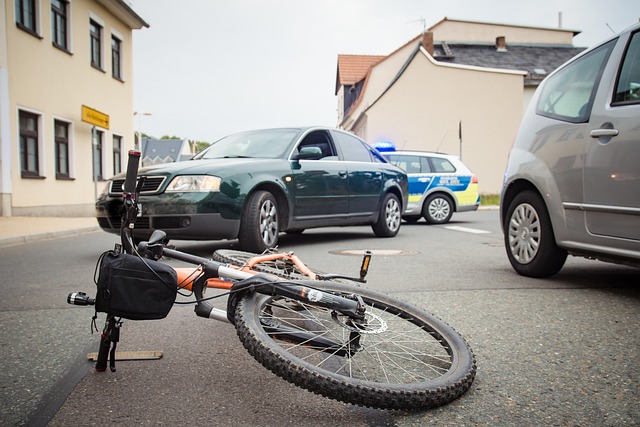
When living in a Maryland neighborhood, residents often take comfort in a sense of routine and predictability. Streets are familiar, children play outside, and daily commutes feel manageable. However, even a single disruption in traffic flow or safety can alter this balance. Safety is not only about avoiding accidents but also about maintaining trust in the environment. Neighborhoods thrive when residents feel secure in their homes and on local streets, and this confidence can be shaken when accidents occur nearby. Unexpected incidents, even minor collisions, highlight the fragility of this sense of security and the importance of attentive urban planning and community awareness.
Maintaining a safe environment involves more than just personal vigilance. Local policies, road conditions, and public awareness campaigns all contribute to overall safety. Communities often implement measures such as speed monitoring, pedestrian crosswalks, and street lighting to prevent disruptions. Yet, even with these precautions, accidents can occur, reminding homeowners that their safety and daily routines can be influenced by events outside their control. Observing patterns and supporting community initiatives are practical ways to protect both residents and their property.
How Car Accident Incidents Affect Daily Life
According to a law firm, car accident events have ripple effects that go beyond the immediate damage to vehicles. Families may experience delays in daily schedules, interruptions to children’s school routes, or increased anxiety while traveling. These incidents can disrupt simple routines such as grocery runs, commuting to work, or picking up children from after-school programs. In some cases, a local collision might block a key road, forcing drivers to find alternate routes that are unfamiliar or more congested. The stress of these disruptions can accumulate, affecting mental well-being and household management over time.
Traffic collisions also draw emergency services and law enforcement attention, which may divert resources from other community needs. Neighbors often witness these incidents, and repeated occurrences can foster a sense of unease. Homeowners may feel compelled to monitor local streets more closely or adjust their daily travel times. While the immediate effects of a car accident might seem limited to the parties involved, the broader community experiences secondary impacts that can alter routines and perceptions of safety.
Managing Property and Personal Security After Local Accidents
Property owners in neighborhoods affected by traffic incidents often reassess the security of their homes. Driveways, entryways, and nearby streets may require closer attention to avoid potential risks. Visibility and accessibility are essential in preventing minor collisions or property damage from larger accidents. Some homeowners install additional lighting or barriers near the curb to protect parked vehicles or encourage safer driving habits near their property. Preventive measures help reduce vulnerability, even when accidents occur beyond their control.
Personal security also comes into play after neighborhood accidents. Families may adjust routines to avoid high-risk areas during peak traffic hours or seek alternate travel routes. Community meetings and local initiatives often discuss ways to enhance safety through improved signage, traffic calming measures, or public education. Active engagement in these discussions allows homeowners to feel more in control of their environment. Although accidents cannot be entirely prevented, these efforts strengthen the resilience of both individuals and neighborhoods.
The Impact on Neighborhood Cohesion and Trust
Frequent traffic incidents can influence social cohesion and neighborly trust. Residents may become wary of others on the road, leading to reduced interaction or hesitation in communal spaces. Sidewalks, parks, and local gathering areas may feel less safe, subtly changing the way people engage with one another. Trust, once eroded by repeated accidents, can take considerable effort to rebuild, especially when residents feel that external factors are consistently threatening their daily life and well-being.
Community response to accidents also shapes neighborhood dynamics. Collaborative efforts such as neighborhood watch programs, local advocacy for traffic improvements, and public safety initiatives foster solidarity. When residents work together, the negative effects of accidents on trust and cohesion can be mitigated. Strong community networks help maintain a sense of normalcy, reassure residents, and reinforce the shared goal of keeping neighborhoods safe and predictable.
Preparing for Unexpected Challenges in Local Traffic
Proactive measures can help households and neighborhoods remain resilient when accidents occur. Keeping informed about local road conditions, participating in community safety forums, and advocating for improvements in traffic management are practical strategies. Awareness of potential risks, including intersections with higher accident frequency, allows residents to adjust their travel and property management plans accordingly. While no one can predict every incident, preparation reduces stress and limits the disruption caused by accidents in daily routines.
Additionally, maintaining open communication within the neighborhood helps identify hazards before they result in collisions. Homeowners may share experiences and observations with local authorities to improve safety infrastructure or encourage safer driving behavior. Collective vigilance ensures that neighborhoods remain functional and secure despite the occasional accident. By combining personal readiness with community action, residents can minimize the long-term impact of traffic incidents on both routines and property security.
Protecting Families and Maintaining Normalcy
Ensuring that families feel safe and neighborhoods remain functional requires a balance of awareness and action. Residents who take practical precautions and engage with community safety initiatives contribute to a more secure environment. Homeowners may reinforce property boundaries, adjust travel plans, and support local safety campaigns. These measures help preserve the predictability that is essential to daily life while addressing the realities of traffic-related incidents.
Neighborhood resilience relies on both individual and collective efforts. Families, neighbors, and local organizations all play a role in maintaining safety and minimizing disruption. By fostering communication, implementing preventive measures, and supporting improvements in traffic management, communities can sustain normal routines even in areas where accidents occur. Ultimately, protecting households and neighborhoods requires thoughtful attention, proactive behavior, and a shared commitment to safety that strengthens the quality of life for everyone involved.




Recent Comments