
By Del. Brian Chisholm
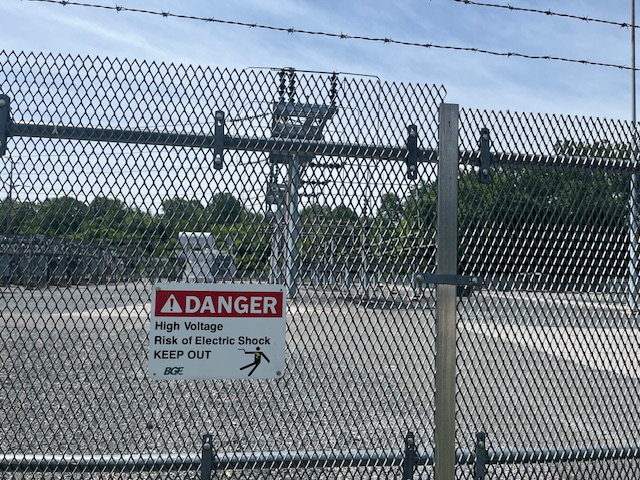
Baltimore families are struggling to keep up with soaring electricity bills. Over the past decade, BGE rates have nearly doubled, leaving residents, small businesses and local governments paying more and more each month. Instead of focusing on improving reliability or reducing costs, BGE’s new CEO is pushing for something even riskier: getting into the power generation business. Make no mistake, this is not about lowering bills. It’s about expanding monopoly power.
The idea of a regulated utility like BGE entering a competitive market would mean one company controlling not only how electricity gets delivered, but also how it’s produced. This scheme would allow a single monopoly utility to dominate both markets, handing BGE tremendous power and leverage over ratepayers. Utilities shouldn’t be allowed to have it both ways, and we know that it’s Maryland families who would pay the price. It would give BGE unchecked power to manipulate rates and drive up profits at the expense of consumers.
We’ve seen this story before. BGE has a long record of costly construction projects that run over budget, while its customers are left footing the bill. As Maryland People’s Counsel David Lapp recently pointed out, there is “no evidence” that BGE can generate power cheaper or faster than anyone else. The only thing they can guarantee is that their captive ratepayers will bear the risk of overruns. Just this summer, the People’s Counsel urged regulators to reject BGE’s latest transmission project scheme because it was designed to pad profits without delivering real benefits for customers. This is an all-too-familiar pattern. The only difference between BGE’s proposal and the Monopoly board game is that in this version, they own all the properties, you’re the one paying every fee, and you’ll never see that $200 when you pass “Go.”
BGE’s CEO argues Maryland imports too much power and should produce more in-state. But that’s not how our regional PJM grid works. Energy flows across state lines, and Maryland already pays the same wholesale rates as our neighbors. Even if BGE built new plants, it wouldn’t mean cheaper energy for consumers. What it would mean is fewer competitors, less innovation, and higher bills. Experts have been clear: Utility-owned generation crowds out private investment, leaving consumers with fewer options and higher risks. When choice disappears, accountability goes with it. What BGE should be proposing is incentives for private-sector energy generation and reforms to Maryland’s burdensome permitting and siting process. Encouraging more generation creates true free-market competition, saving ratepayers money, preventing energy scarcity, and stopping the crony capitalism BGE is trying to lock in.
Baltimore residents have already had enough. City leaders have pushed back on BGE’s rate hikes and murky business practices before, and for good reason. A recent investigation showed how BGE’s corporate structure virtually guarantees shareholder returns, while leaving ratepayers exposed to higher bills and little accountability. It’s a business model built for Wall Street, not for Baltimore families. Monopoly utilities like BGE and its parent company, Exelon, consistently chase profits while leaving households and communities squeezed.
We don’t need another monopoly expansion. We need fairness, transparency, and competition in our energy markets.
Instead of handing BGE the keys to generation, Maryland should build on policies that promote diverse energy producers, protect consumers, and ensure accountability. Families can’t afford more blank checks for monopoly utilities, and Baltimore deserves better than higher bills disguised as solutions.




Recent Comments