

You’ve mapped out the timeline. You’ve lined up the crew, ordered materials, and checked the budget twice. But one piece of the puzzle often gets treated as an afterthought: how your team will actually reach the work.
That’s where lift rentals come in. Most project plans assume access will sort itself out. It rarely does. When you plan for the right equipment from the start, you save time, money, and a lot of headaches.
Why Access Gets Overlooked
What you need to consider is that access feels simple until it isn’t. You picture ladders and scaffolding because that’s what has always been used. Then the job starts, and your crew spends half the morning climbing up and down, moving setups, and waiting on each other.
It adds up fast. A few lost minutes per task turn into lost hours per week. Those hours show up on your bottom line.
Rental Beats Ownership More Often Than You Think
You might be tempted to buy a lift outright. For some companies, that makes sense. For most, it doesn’t.
When you own equipment, you’re on the hook for:
- Storage space when it’s not in use
- Routine maintenance and repairs
- Inspections and certifications
- Transport between job sites
- Depreciation that starts the day you buy it
Renting flips that around. You pay for the machine when you need it and hand it back when you don’t. The rental company handles upkeep, and you get a well-maintained unit that’s ready to go.
Matching The Lift To The Job
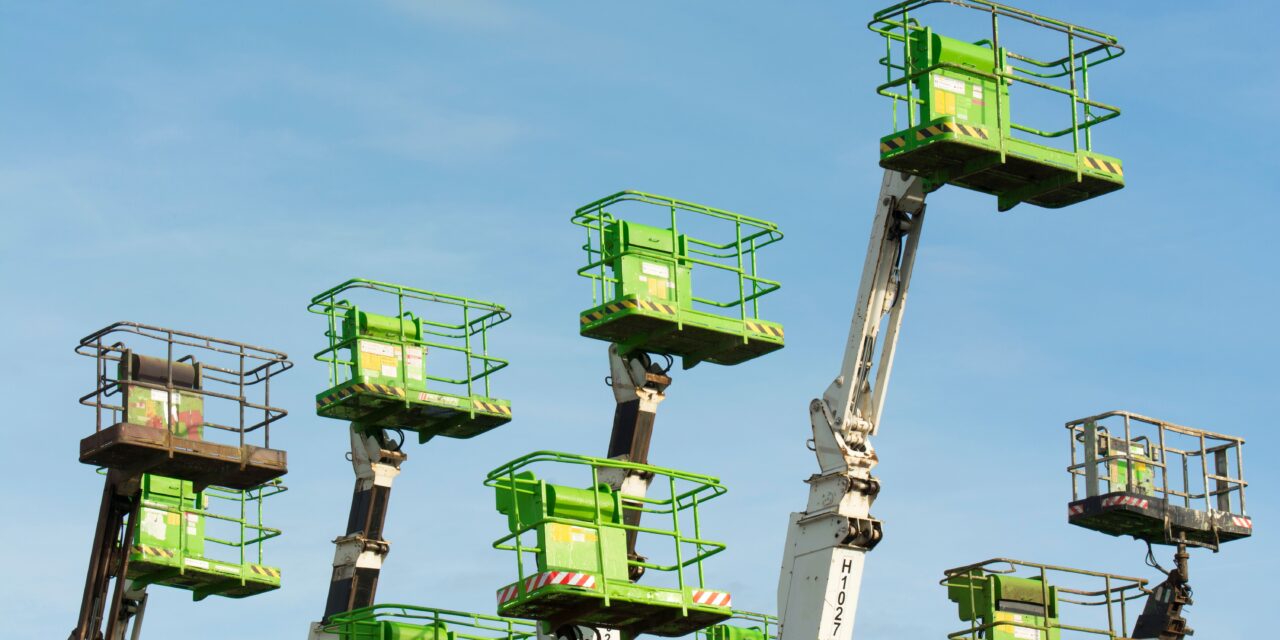
Not every lift fits every project. A scissor lift works well on flat indoor surfaces where you need straight vertical reach. A boom lift gives you the outreach to get over obstacles and around tight corners. Rough terrain models handle uneven ground on outdoor sites.
When you rent, you can choose what each phase calls for. Need a compact electric unit for interior finishing, then a larger diesel boom for the exterior? No problem. You aren’t stuck forcing one machine to do everything.
That flexibility is hard to put a price on.
Safety Is Part Of The Plan
Falls remain one of the leading causes of injury on job sites. For most elevated tasks, a stable work platform with guardrails is simply safer than a ladder. Your crew can bring tools and materials up with them, which means fewer trips and fewer chances to lose their footing.
Many rental providers also offer operator training or can point you toward certification programs. Take advantage of that. A well-trained operator works faster and safer.
Build It Into Your Schedule Early
This is the part most plans miss. Don’t wait until the week before you need a lift to book one. In busy seasons, popular models go quickly.
A few steps to keep things on track:
- Identify every task that requires elevated work.
- Note the height, reach, and surface conditions for each one.
- Talk to your rental provider about the best fit.
- Lock in delivery dates that line up with your schedule.
Do this during planning, not during crunch time. You’ll thank yourself later.
The Bottom Line
Access equipment isn’t the flashiest line item in your project plan. But it quietly affects nearly everything else, including productivity, safety, labor costs, and how well your schedule holds up.
When you treat lifts as a strategic decision rather than a last-minute scramble, your whole project benefits. So before you finalize your next plan, ask yourself one simple question. How is your crew getting up there?
Get that answer right, and everything else gets a lot easier.




Recent Comments