
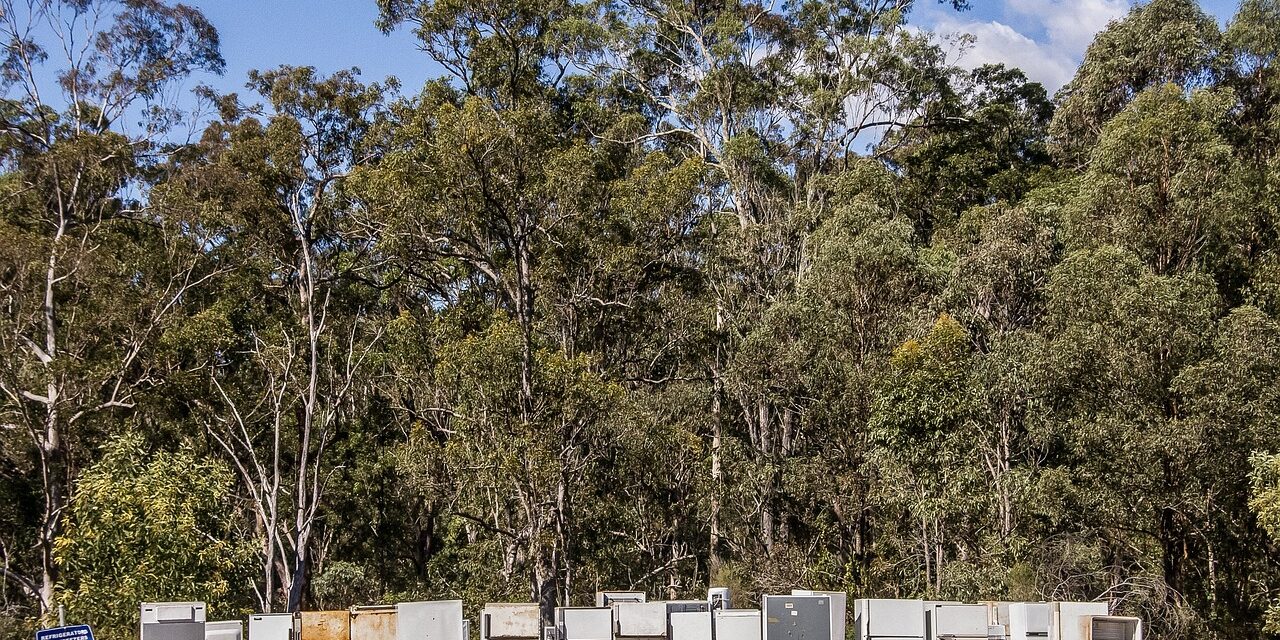
There is a refrigerator in a lot of American basements that has been running since the Clinton administration. It is loud, it is ugly, and it will probably outlive the sleek stainless model upstairs that was bought three years ago and has already needed a control board. Homeowners notice this and assume they are imagining it. They are not. The service life of major appliances has been falling for two decades, and the reasons are structural, not anecdotal.
The numbers behind the feeling
Industry service-life tables from the early 2000s put a refrigerator at roughly 15 to 17 years and a washing machine near 12. Technicians who work on the current generation report that the practical horizon for many mid-priced models is closer to eight to ten years, with the first significant repair often arriving inside the first five. The machines did not get worse at their core job – a modern refrigerator uses a fraction of the electricity its ancestor did. What changed is everything around the compressor.
Three things that shortened the lifespan
Electronics replaced switches. A 1990s dryer had a mechanical timer and a handful of relays. A 2026 dryer has a main control board, a user-interface board, moisture and temperature sensors, and firmware. Each is a point of failure, and boards fail in ways that cannot be repaired at the kitchen table – they are replaced whole, at a price that can approach a third of the appliance’s cost.
Efficiency mandates pushed designs to the edge. Tighter energy standards are good policy, but they were met partly by making components lighter and running them closer to their limits. Thinner evaporator coils, variable-speed compressors, and high-spin washer motors deliver the efficiency numbers and tolerate less abuse than the over-built parts they replaced.
Parts availability became a business decision. Manufacturers now decide how long to stock components for a given model. When a board or a specific sensor is discontinued seven years in, a perfectly repairable appliance becomes a disposal problem. This is the issue behind the right-to-repair movement, and it is why several states have begun requiring manufacturers to make parts and documentation available.
What the repair trade sees
Talk to people who fix these machines for a living and a consistent picture emerges. A large share of “the appliance died” calls are, in fact, single-component failures on machines with years of useful life left: a defrost heater, a drain pump, a door latch that keeps a washer from starting, an igniter on a gas range. The households that come out ahead are the ones that treat a first failure as a diagnosis, not a verdict. A service call that ends in a $200 repair on a $1,400 refrigerator is not a consolation prize; it is a better financial outcome than replacing the unit, especially now that entry-level replacements have the same electronics and the same shortened horizon.
The geography matters, too. In markets with dense, competitive service – a homeowner looking for appliance repair in Denver, for example, has dozens of independent shops to choose from – a same-week diagnosis is routine, and the repair-or-replace math can be made with real numbers instead of guesswork. In thinner markets, the wait for a technician is often what pushes families toward the store.
A practical way to decide
The rule of thumb that has held up in the field: if the appliance is under roughly half of its expected service life and the repair costs less than half of a comparable replacement, repair it. If it is past two-thirds of its life and the failure is in the sealed system or a major board, replacement is usually the rational choice – but get the diagnosis first, because the expensive-sounding symptom is very often the cheap part.
Two habits extend the timeline regardless of brand. Keep condenser coils and dryer vents clean; heat is what kills compressors, motors, and boards. And register the appliance, so that a recall or a manufacturer’s extended board warranty – more common than most owners realize – actually reaches you.
The basement refrigerator, revisited
The old machine downstairs is not a miracle. It is a simpler design, built heavier, running a compressor that was never asked to be efficient. It will not be replaced by anything like it. What replaces it can last nearly as long – but only for owners who understand that today’s appliances are maintained, diagnosed, and repaired more like cars than like the toasters they resemble.




Recent Comments