
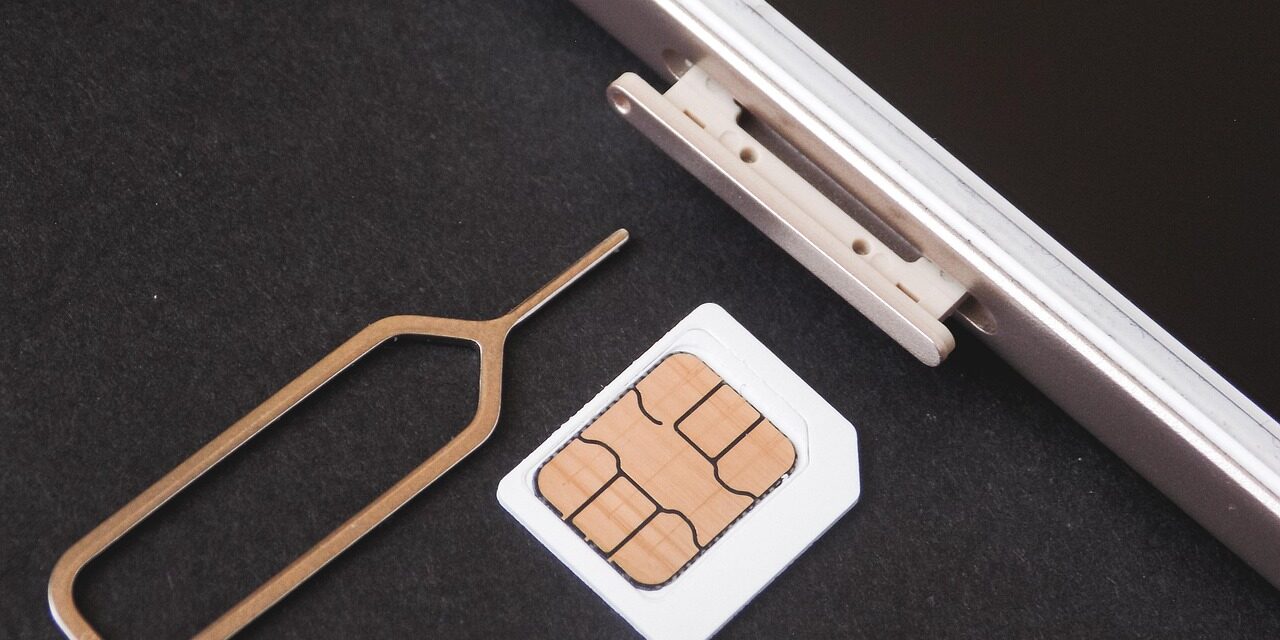
The plastic SIM card is on its way out. Embedded SIM technology now does the same job with fewer failure points and no tiny cards to swap. If you manage a fleet of connected machines or spend half your year in airport lounges, understanding how these SIMs work can save you real money.
What an embedded SIM actually is
An embedded SIM is a chip that is built into a device instead of slotted into a tray. The network profile is loaded onto the chip remotely, so there is nothing to insert or remove. That matters because the removable SIM was designed for phones handled by people, not for a sensor bolted to a streetlight or a tracker sealed inside a shipping container.
A removable card in a harsh environment causes real problems. Vibration can shake it loose, which cuts the connection until someone physically visits the device. Moisture can corrode the contacts, and then the device drops offline without warning. Every one of those failures typically means a technician trip, and at scale those trips add up to a serious maintenance bill.
The MFF2 form factor for IoT devices
For machines, the industry answer is the MFF2 form factor, a chip format that is soldered directly onto the circuit board during manufacturing. Because it is fixed in place, it withstands vibration and temperature swings that would defeat a card in a tray. It also cannot be stolen or swapped, which closes a common security gap in devices deployed in public spaces.
Deploying at scale is where a soldered chip really pays off. A logistics company with thousands of trackers, for example, can order devices with an mff2 chip pre-installed and activate them all remotely. No one has to open a single enclosure. If a device later needs to switch carriers because coverage in a region turns out to be weak, that switch happens remotely too. The alternative, sending someone out to replace cards one by one, can cost more than the hardware itself.
eSIM for people who travel
The same technology solves a different problem for travelers. Anyone who has landed abroad knows the routine: hunt for a local SIM kiosk and fiddle with a paperclip while your work calls pile up. Roaming on your home plan avoids the kiosk but often comes with steep charges instead.
An eSIM for business travel removes both headaches. You install a data plan on your phone before you fly and activate it when you land. Your home number stays reachable on the original profile, so colleagues and clients can still call you while your data runs on the local plan. For finance teams, a single provider across destinations also means one predictable invoice instead of a stack of roaming surprises.
How to choose the right provider
Coverage should be your first question. A provider that partners with multiple carriers per country can switch your device or phone to the strongest available network, rather than locking you to one operator. That flexibility is the main reason to pick a connectivity specialist over a standard consumer plan.
Management tooling is the second question, and it matters most for IoT deployments. When you run hundreds or thousands of connections, you need a dashboard that shows which devices are online and how much data each one uses. It should also let you pause or reassign plans without a support ticket. Without that visibility, a single malfunctioning device can quietly burn through a month’s data budget before anyone notices.
Start small before you commit. Test one device or one trip on the plan you are considering. Check real-world coverage and billing before you scale up. Embedded SIMs make that kind of gradual rollout easy, because adding the next hundred connections is a software task, not a hardware project.




Recent Comments