
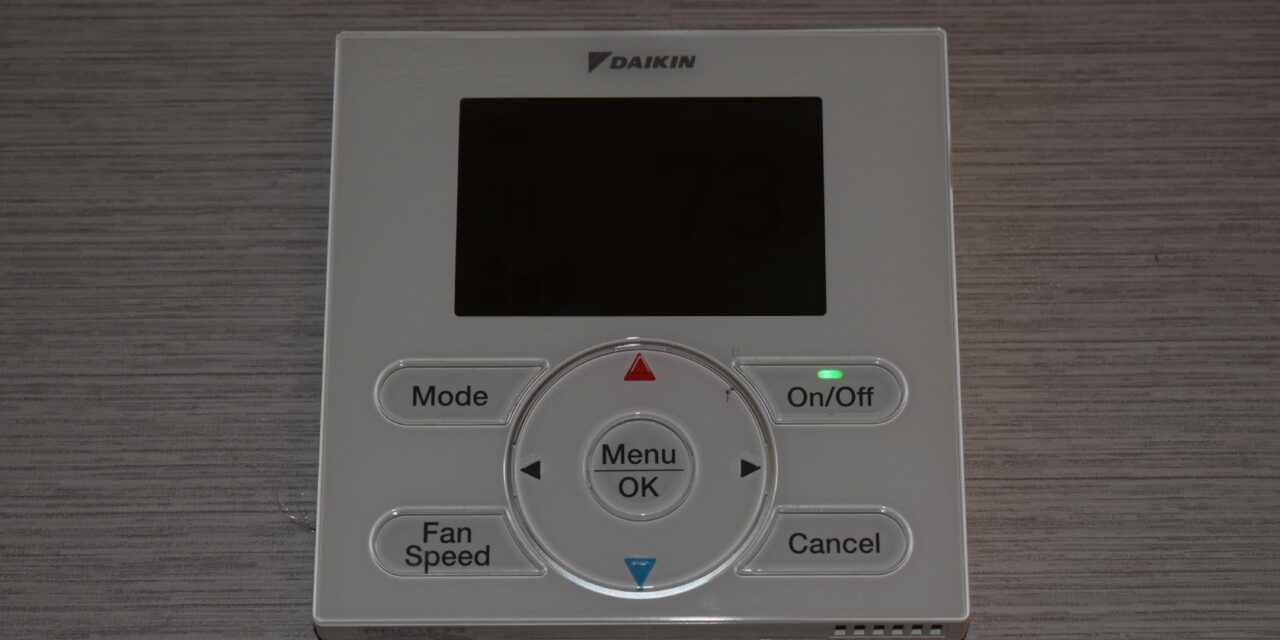
Modern businesses depend on comfortable and efficient work environments to support their employees, customers, and daily operations. Heating, ventilation, and air conditioning systems play a major role in maintaining indoor comfort. However, behind every effective HVAC system is a reliable electrical infrastructure that keeps everything running smoothly. Without that foundation, even the most advanced HVAC equipment can struggle to perform as intended.
A dependable commercial HVAC electrical system ensures that heating and cooling equipment receives the power it needs to operate safely and effectively. From office buildings and retail stores to warehouses and healthcare facilities, businesses rely on these systems to maintain consistent temperatures, improve air quality, and reduce downtime. Investing in a robust electrical setup helps businesses avoid costly disruptions while improving performance and productivity.
Supporting Reliable Operations
Businesses can’t afford unexpected interruptions. When commercial HVAC systems fail due to electrical issues, employees may be uncomfortable, and customers may leave. As a result, productivity and sales can suffer. In some industries, temperature control is critical for protecting equipment, inventory, or sensitive materials.
A properly designed electrical system helps ensure that HVAC equipment operates consistently. Adequate power distribution, properly sized circuits, and quality components all contribute to reliable performance. By reducing the risk of electrical failures, businesses can keep their operations running smoothly.
Improving Energy Efficiency
Energy costs are a significant expense for many companies. HVAC systems often account for a large portion of a commercial building’s energy consumption. That makes efficiency an important priority.
Strong electrical infrastructure helps HVAC systems perform at their best. When equipment receives adequate, stable power, it can operate more efficiently and avoid unnecessary strain. Modern controls, programmable thermostats, and energy management systems also rely on dependable electrical connections to optimize their performance. Improved efficiency not only lowers utility bills but can also help businesses meet their sustainability goals and reduce their environmental impact.
Providing Workplace Comfort
Employee comfort has a direct effect on productivity. Spaces that are too hot, too cold, or poorly ventilated can make it difficult for workers to focus and perform their tasks effectively. Reliable HVAC electrical systems help maintain consistent temperatures and proper airflow. That creates a more comfortable environment where employees can work efficiently. Customers and visitors also benefit from a pleasant indoor atmosphere, which can improve their overall experience with a business.
Taking Advantage of Modern Technology
Today’s HVAC systems are more advanced than ever. Many include smart controls, automated monitoring, remote management capabilities, and integrated building management systems. These technologies provide valuable data and allow businesses to make informed decisions about energy use and equipment maintenance.
To function properly, these advanced features require dependable electrical support. A strong electrical infrastructure ensures that communication systems, sensors, and automated controls operate without interruption. In doing so, it can allow a business to take full advantage of the latest technological advancements.
Reducing Maintenance and Downtime
Electrical problems can place unnecessary stress on HVAC equipment. They may lead to increased wear and more frequent repairs. Power fluctuations, overloaded circuits, and outdated wiring can all contribute to equipment failures. By maintaining a robust electrical system, businesses can help extend the lifespan of their HVAC equipment and reduce maintenance costs. Preventive inspections and upgrades can identify potential issues before they become major problems. That, in turn, can help minimize downtime and unexpected expenses.
Investing in Long-Term Success With Commercial HVAC Electrical Systems
Commercial HVAC systems are essential to modern enterprises, but their effectiveness depends heavily on the electrical systems that power them. By investing in reliable electrical infrastructure, businesses can improve efficiency, enhance comfort, take advantage of advanced technology, and reduce costly disruptions. A strong commercial HVAC electrical system isn’t just a technical necessity; it’s an important part of building a productive and successful organization.




Recent Comments