
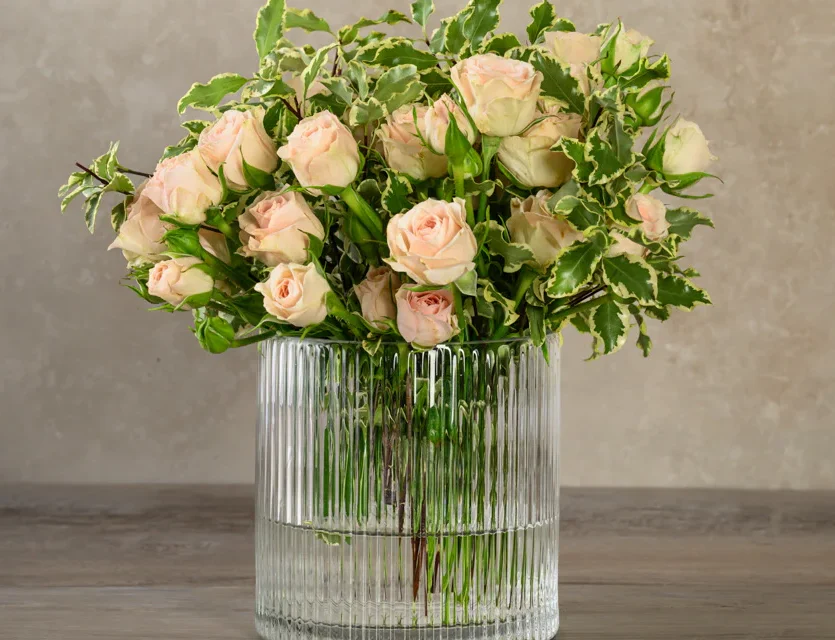
In the event and hospitality industries, visual presentation continues to shape how brands, venues, and retailers create memorable experiences. Designers working on weddings, seasonal installations, hotel interiors, and commercial displays are increasingly balancing aesthetics with durability, logistics, and long-term usability. That shift has contributed to growing interest in artificial botanicals and reusable decor that can maintain a consistent appearance across multiple projects.
Jamali Garden, a family-owned importer founded in New York City in 1997, has become part of that conversation through its large inventory of silk flowers, crystal vases, candle holders, and event decor. Originally launched as a storefront in the Manhattan flower market, the company expanded online in 2002 and now manages more than 3,000 SKUs aimed largely at professional florists, wedding planners, hospitality groups, and production companies.
Industry professionals point to several factors driving the company’s visibility in 2026, including inventory availability, founder-led product development, and the growing use of “Real Touch” artificial flowers in commercial design projects.
Founder-Led Product Design Shapes the Collection
One characteristic that separates the company from many large-scale decor suppliers is its founder-led design process. According to the brand, roughly 80% of its inventory consists of proprietary products designed by owner Sabir Taheraly.
That structure has allowed the company to develop collections aimed at project-based professionals rather than casual retail shoppers. Many of the pieces are intended for large installations, wedding tablescapes, showroom displays, and seasonal commercial decor.
The catalog includes:
- Crystal and glass vases
- Ceramic and metal vessels
- Silk flowers and greenery
- Wedding centerpieces
- Seasonal holiday decor
- Candle holders and candelabras
- Indoor and outdoor planters
Designers often look for products that can work across multiple themes without appearing overly standardized. This has become increasingly important as hospitality groups and luxury venues seek custom-looking arrangements without commissioning entirely bespoke pieces for every installation.
Renowned event florist Preston Bailey once noted that “floral design is not arranging flowers; it’s telling a story with nature.” That idea continues to influence event styling trends, particularly in high-volume commercial settings where decor must support a specific atmosphere while remaining practical to install and maintain.
The company’s New York roots also place it close to fashion, retail, and production industries that regularly require adaptable decor solutions.
Jamali Garden’s Artificial Botanicals Continue Moving Into Luxury Design
Artificial flowers have traditionally been associated with low-cost retail decor, but recent material improvements have shifted industry perception. In particular, “Real Touch” and “Real Look” products have become more common in hospitality and event settings where longevity matters as much as appearance.
Jamali Garden’s silk flower collection includes peonies, hydrangeas, orchids, magnolias, roses, tropical stems, moss, and greenery, intended to more closely mimic live botanicals than earlier generations of artificial plants.
Designers increasingly combine artificial stems with live greenery to create arrangements that maintain consistency throughout long events or multi-day installations. South African interior designer Sumari Krige has advised decorators to “use them en masse and mix with real greenery for authenticity.”
The practical advantages are also influencing adoption rates. Artificial arrangements eliminate concerns tied to wilting, seasonal availability, and transportation damage. For production companies, hotels, and event planners managing multiple locations, reusable decor can simplify logistics and reduce replacement frequency.
Interior designer Miriam Manzo has also emphasized the importance of flexibility in artificial floral design, noting that bendable wired stems help arrangements appear more natural and less rigid.
The shift reflects broader industry demand for decor that supports repeated use without sacrificing visual quality.
Jamali’s Crystal Vases Remain Central to Event Styling
While silk flowers attract attention for their realism, vessel selection continues to play an equally important role in modern event design. Crystal vases, mercury glass, and metallic finishes remain common in hospitality and wedding installations because they interact effectively with lighting and reflective surfaces.
The crystal vase collection at Jamali Garden includes geometric vessels, tall centerpieces, bud vases, and large-scale statement pieces designed for both retail and commercial applications.
Design professionals increasingly use layered textures and reflective materials to create dimension within minimalist spaces. Crystal vessels also support a growing preference for reusable centerpiece structures rather than single-use event decor.
Several trends are contributing to renewed demand for decorative vessels in 2026:
- Minimal European-inspired event styling
- Mixed-metal table arrangements
- Reusable luxury centerpieces
- Hospitality lobby installations
- Large-scale seasonal displays
Designer Bobby Berk has described floral artistry as “the delicate balance of shape, texture, and soul,” a concept reflected in the growing emphasis on vessel selection alongside floral composition.
Because many hospitality projects require repeat installations throughout the year, reusable vases have become part of long-term decor planning rather than one-time purchases.
Inventory Availability at Jamali Garden
Supply chain disruptions over the last several years changed how many event professionals purchase decor inventory. Delays tied to international shipping and limited seasonal stock created scheduling challenges for planners working on weddings, holiday installations, and retail displays.
In response, many buyers now prioritize suppliers that maintain large in-stock inventories instead of relying heavily on preorder systems.
Jamali Garden reports that immediate availability has become a major operational focus. The company imports directly from manufacturers across Asia and maintains warehouse inventory for thousands of products.
That approach supports professionals who often work under short production timelines. Florists, hotels, and production designers may need replacement inventory quickly during active projects, particularly during the holiday season when commercial installations increase significantly.
The company also operates on a wholesale-oriented pricing structure that includes single-unit and case pricing. Average order values reportedly range from $250 to $325, reflecting its emphasis on professional buyers and bulk purchasing.
Repeat business appears to play a major role in company performance as well. According to brand data, approximately 50% of revenue comes from returning customers, particularly in industries tied to events, hospitality, and commercial decor.
Conclusion
As experiential design continues to influence retail, hospitality, and entertainment spaces, suppliers offering reusable decor, reliable inventory access, and adaptable styling options are likely to remain relevant.
Jamali Garden’s continued focus on artificial botanicals, crystal vessels, and professional-grade event supplies reflects the broader industry’s movement toward stunning, long-lasting decor solutions.




Recent Comments