
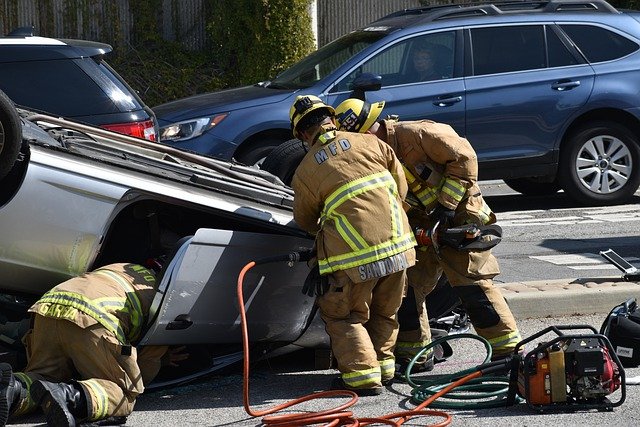
Serious injuries rarely stay limited to the person who suffers them. In many Maryland towns, one accident can shift the rhythm of a neighborhood and remind people of how quickly daily life can change. Families feel the strain first, yet the effects often reach coworkers, friends and even small businesses that rely on stable routines. When someone is suddenly out of work or unable to care for their household, the pressure spreads across the people who step in to help.
Maryland communities often rely on tight networks built from years of shared routines. When those networks are disrupted after an injury, people come together in meaningful ways. Neighbors organize carpools, coworkers take on extra duties and relatives try to cover care needs until the injured person regains strength. These moments reveal how connected residents are, even in larger cities where people sometimes assume everyone moves independently. The collective response becomes one of the clearest signs of how deeply rooted these community ties are.
When Personal Injuries Reach Beyond Immediate Victims
According to mgalaw.com, a personal injury affects far more than physical health. Medical recovery can be unpredictable, and that uncertainty often adds a level of stress that influences every person involved. In Maryland, many families already balance demanding commutes, long work hours and tight budgets. When someone becomes injured, the structure holding everything together can weaken quickly. Lost income, transportation challenges and the need for ongoing appointments place pressure on those trying to help. As these challenges grow, they begin to affect how a community functions as a whole.
Local residents often feel the strain even if they were not present when the injury happened. A single workplace accident, for example, may require coworkers to pick up additional responsibilities, which can disrupt schedules and create fatigue. A collision on a busy Maryland road might slow emergency services or divert traffic into neighborhoods that are not prepared for the extra flow. These indirect effects highlight how personal injury cases are rarely isolated events. They influence everyday life and create shared burdens that communities must learn to manage together.
How Maryland Towns Adjust When Daily Routines Break
In Maryland, the structure of many small towns and suburban neighborhoods depends on reliability. People expect certain roads to stay open, certain workplaces to function smoothly and certain services to remain available. When an injury disrupts that stability, residents often find themselves adjusting quickly to fill the gaps. This may involve coordinating childcare, rearranging work schedules or assisting with basic tasks that the injured person can no longer perform. These adjustments often reveal a deep sense of responsibility among community members who want to maintain stability during uncertain times.
Local leaders, neighborhood groups and volunteers often become essential during these periods. They help organize support systems, gather resources and communicate what the affected family needs most. Maryland has a long history of civic participation, and that sense of shared duty often resurfaces when someone is injured. The willingness of residents to offer assistance reflects the broader character of the state, where people value resilience and cooperation. As these efforts grow, they help ensure that the injured person is not forced to carry the burden alone.
Why Communication Strengthens Community Support
One of the most important factors in helping an injured person is clear communication among everyone involved. Families need to express what they can handle and what they cannot. Friends and neighbors need updates so they know when to offer help. When communication breaks down, confusion can make the situation feel heavier than it already is. In Maryland communities, many residents recognize this and try to maintain open conversations, especially when injuries create long periods of uncertainty. These conversations allow support networks to function more smoothly and reduce unnecessary pressure.
Communication also helps prevent misunderstandings that might strain relationships during difficult moments. People may want to help but feel unsure of when to step in or how to approach sensitive situations. When needs are discussed openly, confusion fades and cooperation becomes easier. Local groups sometimes create informal systems for sharing information, which keeps everyone organized without overwhelming the injured person. This balance helps create an environment where care is consistent and meaningful. It also encourages people to stay involved as recovery progresses, rather than letting their attention fade after the initial shock.
How Recovery Impacts Long Term Community Stability
Recovery after a serious injury often moves slowly, and that pace affects how communities respond over time. In the beginning, support feels strong because the situation is fresh and people want to help. As weeks pass, however, the injured person may still require the same level of assistance while others begin to resume their regular routines. Maryland residents often face this challenge when trying to maintain steady support. The long road back to stability demands patience, resourcefulness and continued cooperation among everyone involved.
During this period, a community’s resilience becomes more visible. People who remain present during the later stages of recovery often help prevent long term setbacks. They ensure the injured person has access to basic needs and emotional support, even when progress slows. Maryland towns and cities have weathered many forms of adversity over the years, and that experience has shaped how residents respond to personal hardship. Their ability to stay committed over an extended period helps strengthen the injured person’s confidence and reinforces the values that keep the community united.
When Support Becomes a Shared Path Forward
A serious injury can create challenges that feel overwhelming at first, yet the collective response from a community often shapes how recovery unfolds. In Maryland, the willingness of residents to step in reflects a strong sense of shared responsibility. People understand that setbacks touch more than one person, and they respond with patience and intention. This unity becomes an important reminder that no one is expected to handle difficult moments alone.
As time passes, the memory of how the community supported the injured person often becomes a lasting source of strength. It shows that cooperation is not only possible but also essential when routines break and families struggle. When residents view recovery as a shared path, they help restore balance not only for the injured person but for the broader community. This approach keeps Maryland neighborhoods steady, connected and capable of withstanding challenges that might otherwise leave people isolated.




Recent Comments