
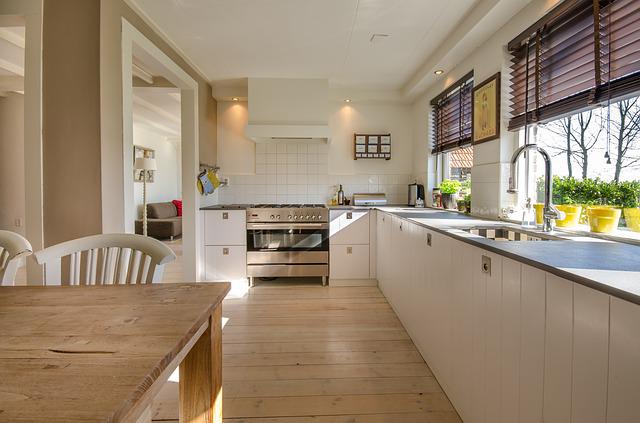
Your kitchen is more than just a place to cook meals. It’s the heart of your home, where families gather, conversations flow, and memories take shape. When you’re ready to transform this essential space, one of the most important decisions you’ll face is choosing between modern and traditional design styles.
The style you select will influence everything from your cabinet choices to your countertop materials, and it will set the tone for how your kitchen feels every single day. Understanding the characteristics of each approach can help you make a choice that fits both your lifestyle and your aesthetic preferences.
What Defines a Modern Kitchen
Modern kitchens embrace simplicity and function. These spaces feature clean lines, minimal ornamentation, and a focus on efficiency. You’ll typically find flat-panel cabinets without decorative hardware, often in neutral colors like white, gray, or black. Stainless steel appliances integrate seamlessly into the design, and open shelving often replaces upper cabinets to create an airy feeling.
The modern aesthetic values negative space as much as the elements themselves. Countertops remain largely clear, and every item has its designated place, usually tucked away behind smooth cabinet doors. Materials tend toward the sleek and contemporary: quartz countertops, glass tile backsplashes, and polished concrete floors are popular choices.
Lighting in modern kitchens often becomes a statement piece. Pendant lights with geometric shapes or industrial influences hang over islands, while under-cabinet LED strips provide task lighting that’s both practical and visually striking. In kitchens with higher ceilings or open floor plans, some homeowners consider the best ceiling fans with integrated lighting to maintain air circulation without compromising the minimalist aesthetic. Today’s options include bladeless designs and low-profile models that blend seamlessly into modern spaces.
The Appeal of Traditional Design
Traditional kitchens draw inspiration from classic European and American design principles. These spaces feel warm, inviting, and timeless. Raised-panel cabinet doors, ornate hardware, and rich wood finishes create depth and character. Crown molding, decorative corbels, and furniture-style islands add architectural interest that modern designs intentionally avoid.
Color palettes in traditional kitchens often include warmer tones. Cream, beige, sage green, and soft blues create a welcoming atmosphere. Natural materials like granite or marble countertops complement wood cabinetry, while ceramic or stone tile backsplashes add texture and visual interest.
Traditional kitchens frequently incorporate display elements. Glass-front cabinets showcase dishes and glassware, open plate racks display collections, and decorative range hoods become focal points rather than hiding away as functional necessities. Even practical elements like ceiling fans can enhance traditional design when you choose models with ornate blades, antique finishes, or vintage-inspired light fixtures that complement the room’s classic character.
Consider Your Home’s Architecture
Your home’s existing structure should influence your decision. A modern kitchen might feel jarring in a Colonial or Victorian home, just as a heavily traditional kitchen could clash with contemporary architecture. That doesn’t mean you can’t mix elements, but creating harmony between your kitchen and the rest of your home makes the entire space feel more cohesive.
If your home has strong architectural character, you might choose to honor that history. Conversely, if you’re working with a builder-grade home that lacks distinctive features, you have more freedom to impose whatever style speaks to you.
Think About Maintenance and Lifestyle
Modern kitchens generally require less maintenance. Smooth surfaces without grooves or decorative details are easier to clean. Integrated appliances and handle less cabinets mean fewer places for dust and grime to accumulate. If you live a busy lifestyle and want a kitchen that stays looking sharp with minimal effort, modern design might serve you better.
Traditional kitchens, with their detailed moldings and multiple finishes, demand more attention. Those beautiful details that create visual interest also create more surfaces to clean. However, traditional designs can be more forgiving of wear and imperfections. A small scratch on distressed wood cabinetry might blend in, while the same mark on a glossy modern surface would be immediately noticeable.
Budget Considerations Matter
Generally speaking, traditional kitchens cost more to execute well. Custom cabinetry with detailed craftsmanship, specialty moldings, and high-quality natural materials add up quickly. Modern designs can be more budget-friendly, especially when working with stock or semi-custom cabinets and engineered materials.
However, some modern elements can push costs higher. Large-format porcelain slabs, integrated appliances, and custom minimalist details require precision installation and premium materials.
Finding Your Personal Style
Walk through your home and identify which rooms make you feel most comfortable. Look through design magazines and online platforms, saving images that resonate with you. You might discover that you’re drawn to elements from both styles.
Many homeowners find success with a transitional approach that blends modern and traditional elements. You might choose simple shaker-style cabinets in a modern layout, or pair sleek countertops with traditional cabinet hardware. This middle ground can create a kitchen that feels both current and timeless.
Making the Final Decision
Ultimately, the right style for your kitchen remodel depends on how you want to feel in the space. Modern kitchens offer clarity and calm, while traditional kitchens provide warmth and character. Consider which qualities matter most to you, how the kitchen will function for your daily needs, and what style will make you happy not just today but years from now.
Your kitchen should reflect who you are and how you live. Whether you choose modern simplicity, traditional elegance, or something in between, selecting a style that truly fits your life ensures your kitchen remodel will be worth every investment.




Recent Comments