
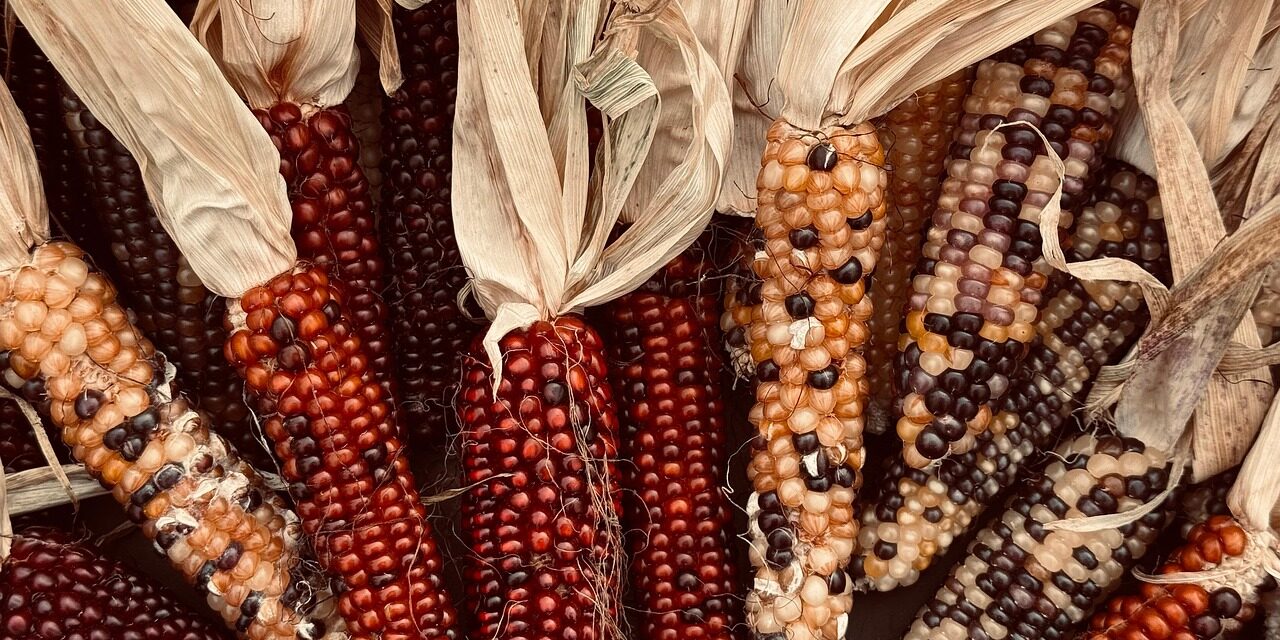
As the seasons shift and the harvest arrives, many communities turn inward to reflect on gratitude, sustenance, and the cycles of life. Among the voices guiding these reflections is Chief Phillip Scott, whose teachings emphasize the deep relationship between people, the land, and the Sacred practice of giving thanks. His words invite us to see abundance not as accumulation but as harmony, balance, and connection with the Earth.
Ancestral Teachings on Harvest
Chief Phillip emphasizes that harvest is more than the gathering of crops; it is a Sacred Ceremony of renewal. In Indigenous worldviews, everything is interconnected: the soil, water, plants, animals, and humans exist in relationship rather than separation. By acknowledging the Earth as a living being rather than a resource and giving back in gratitude and reciprocity, harvest becomes an exchange of gifts instead of a transaction.
The practice of requesting permission and offering thanks before taking from the land is one of the oldest traditions. Native communities have historically practiced sustainable farming techniques, such as crop rotation and polyculture, which have ensured the long-term fertility of the soil. These methods highlight an ethic of respect from which modern agricultural systems can learn.
Gratitude as a Way of Life
Gratitude, as Chief Phillip teaches, is not a fleeting feeling but an embodied practice. It involves remembering that every meal, every breath, and every sip of water comes from a larger web of life. Gratitude Ceremonies, performed continually, especially around the harvest season, reinforce community bonds and remind individuals of their responsibilities to one another.
Science increasingly supports these ancient practices. Studies published by Harvard Health show that the expression of gratitude improves mental health, strengthens relationships, and even supports physical well-being. For Indigenous cultures, gratitude has always been a foundational principle, guiding not just personal health and well-being but collective survival.
Reciprocity With the Land
One of the most powerful lessons from Chief Phillip Scott is the practice of reciprocity. In Indigenous Traditions, before harvesting or taking anything, one requests permission and always gives back. This may be through Offerings, Prayers, or actions that restore balance to the ecosystem. For instance, planting seeds after a harvest or returning a morsel of food to the landscape acknowledges that humans are part of, not separate from, Nature’s cycles.
This teaching challenges modern consumer culture, which often emphasizes extraction and profit without renewal and replenishment. By practicing reciprocity, individuals and communities can move toward sustainability and resilience, especially in the face of climate change.
Connection to the Land and Its Spirit
Chief Phillip Scott underscores that land is not property; the Earth is our mother, a living, sentient being. The soil, rivers, trees, mountains, and wind are kin. This perspective stands in contrast to dominant worldviews that treat land as a commodity to be owned and exploited.
Chief Phillip reminds us that when we see land as a living relative, our behaviors change. We tread more lightly, consume sparingly with greater awareness of our impact, and give back to the Earth rather than taking incessantly. This reciprocity creates sustainability, not in the corporate sense of the word, but in the lived reality of ensuring future generations can thrive.
Indigenous Traditions maintain reciprocal relationships with the land, emphasizing stewardship rather than ownership. This ethic challenges contemporary societies to rethink their approach to ecology, conservation, and climate change.
Ceremonial Teachings on Sharing Abundance
Abundance, according to Chief Phillip Scott, is not measured in material wealth but in the willingness to share. Traditional harvest Ceremonies often end with communal feasts, where food is distributed and shared with everyone, regardless of status. Such acts reflect the understanding that abundance grows when shared.
He teaches that withholding or hoarding disrupts balance. By contrast, generosity creates ripples of well-being that return to the giver in unexpected ways. This teaching invites us to question modern scarcity mindsets, beliefs that there is never enough time, money, or resources.
Instead, we are reminded that abundance is already present when we live in alignment with gratitude and reciprocity. By offering what we have, whether food, skills, or kindness, we cultivate a Spirit of plenty that transcends material possessions.
Reclaiming the Meaning of Thanksgiving
Thanksgiving, as celebrated in mainstream culture, overlooks Indigenous perspectives and historical truths. Chief Phillip Scott calls for a restoration of historical accuracy, one that recognizes the truth regarding what actually transpired for Indigenous Nations, as well as to respect Native teachings of gratitude and reciprocity rather than centering on consumerism and romanticized myths.
This reclamation involves acknowledging painful histories while choosing to live differently in the future, by expressing humble, sincere apologies and making amends. It means honoring the voices of Elders, supporting Indigenous sovereignty, and committing to relationships of respect with the land and its Indigenous peoples. By reframing Thanksgiving, the modern colonial world can begin the journey to make reparations and embark on the long road to cultivate the right relationship with Indigenous peoples and the Earth.
Conclusion
The Spirit of abundance is not about having more but about recognizing the gifts already present. Teachings from Chief Phillip Scott remind us that gratitude, reciprocity, and community are timeless principles that sustain life. By embracing these values, we can restore harmony with the land and one another; harvest after harvest, generation after generation.




Recent Comments