

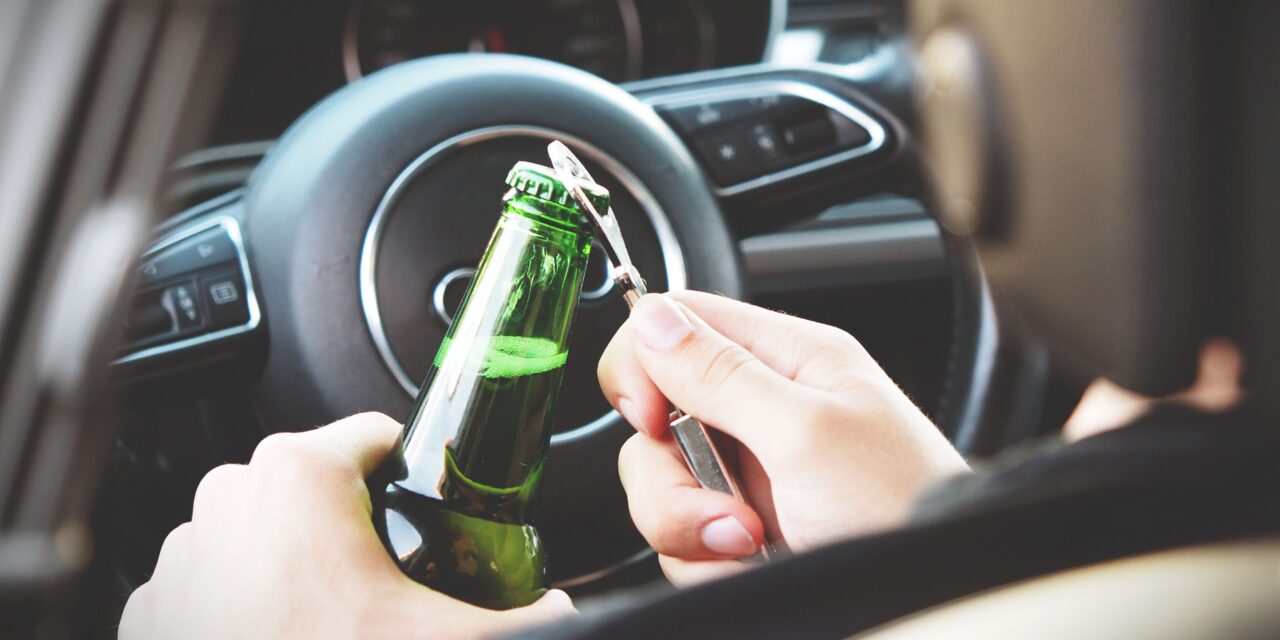
Operating while intoxicated (OWI) is one of the more serious offenses for which an individual can be arrested in the US. OWI may be more commonly referred to as DUI or DWI and usually involves an individual being charged with driving under the influence of illegal drugs, alcohol, or even medication, which negatively impacts driving.
Penalties for this charge can be costly and have severe impacts. It can also include the potential for jail time, mandatory suspension of the offender’s driver’s license, the installation of an ignition interlock system, and substance abuse treatment.
OWI is a huge issue across the country. According to the National Highway Traffic Safety Administration (NHTSA), 11,904 people died in alcohol-impaired driving crashes in 2024. This number accounts for approximately 30 percent of all driving fatalities. On average, this means that a death occurred in an alcohol-related crash every 44 minutes.
Penalties for OWI differ across states and vary based on previous convictions, blood alcohol content (BAC), injuries, and if minors were in the vehicle.
For example, under Indiana OWI statutes, a BAC of 0.08% or higher can support an OWI charge, and drivers may face felony charges when aggravating factors are present. These factors include a prior OWI conviction, a passenger under 18, or an injury or death resulting from the driver’s OWI.
Driving with OWI carries severe penalties and consequences. Drivers need to realize the gravity of this charge and understand the legal ramifications that follow.
What OWI Means in Indiana
According to the Indiana Criminal Justice Institute, OWI refers to the crime of operating a motor vehicle while intoxicated. Meanwhile, the Indiana Bureau of Motor Vehicle’s (BMV) driver’s manual says the level of intoxication for an OWI charge begins at .08.
The manual says police with probable cause can ask the driver to take a chemical test, and a judge’s probable cause finding can lead to a license suspension before trial.
Penalties for a First Offense
The Criminal Justice Institute has published the punishment that a first-time offender faces due to drunk driving on their webpage. It includes court costs and fees that may exceed $300, a jail term not exceeding one year, fines not exceeding $5,000, and license suspension for a period not exceeding two years.
A court may choose to impose probation terms. In such an event, the court may impose a substance abuse program and a minimum 30-day license suspension followed by 180 days of driving restricted to employment.
Victim impact panels and drug and alcohol screening may also be imposed. These numbers reflect the ranges stated by the organization, and they are not forecasts of the penalties a court may impose because sentences vary from case to case.
Repeat Offenses
Penalties escalate according to the number of previous convictions.
As seen on the same webpage, for the second offense, there is a penalty for being jailed for between 5 days and 3 years, performing community service or both, payment of a fine of up to $10,000, and a suspension of driving for 180 days and up to 2 years. Under a law effective July 1, 2026, the minimum jail term is now 10 days for a person with one prior conviction and 20 days for a person with two or more, which replaces the earlier minimums listed on the webpage.
For the third offense, the penalties include being jailed for between 10 days and 3 years, performing community service or both, paying a fine of up to $10,000, and a suspension of driving for one year and up to 10 years.
Based on the OWI section in the BMV manual, a third OWI offense within ten years results in a ten-year license suspension. Having two OWI convictions that each resulted in a death within a ten-year span results in a lifetime license suspension.
If a minor under eighteen receives an OWI conviction, the juvenile court has the option of recommending driving suspensions.
License Consequences Before a Conviction
Even before the case is finalized, the court may suspend driving privileges. As stated in the driving manual, an officer with probable cause to believe the driver operated while intoxicated may request a chemical test.
Refusal will result in a year-long license suspension while a refusal to submit to a chemical test by a driver previously found guilty of OWI will result in a two-year license suspension.
A court can also issue specialized driving privileges to eligible drivers, and the court may require an ignition interlock device.
In January 2026, the Indiana courts’ weekly legislative update covered Senate Bill 251, a proposed bill on OWI penalties. Its jail minimum provisions were later enacted through House Enrolled Act 1249, effective July 1, 2026.
Why Jurisdiction Matters
Other states use different names and different penalty schemes for impaired driving. According to the Texas criminal defense firm website https://www.segurakiattacriminaldefense.com/, the state calls the offense driving while intoxicated, or DWI, and a first offense is a class B misdemeanor that carries 3 to 180 days in jail, a fine of up to $2,000, and a possible license suspension of up to one year.
Looking Ahead
The penalties of an OWI can vary and are based on various factors. Some of these factors include the nature of the offense, any prior offenses, and whether any refusal was involved. Other factors include any injury that may have resulted and the wording of the law at the time of the offense.
Given that statutes may change and agencies periodically revise their guides, the most dependable source of up-to-date penalty information would be either the Criminal Justice Institute or the BMV. This applies to the penalty figures cited above, which reflect those agencies’ guidance at the time of writing.
For people facing a particular charge or even trying to get a better understanding of what the charge is all about, there will be no doubt that the span of possible OWI consequences is quite broad.





Recent Comments