

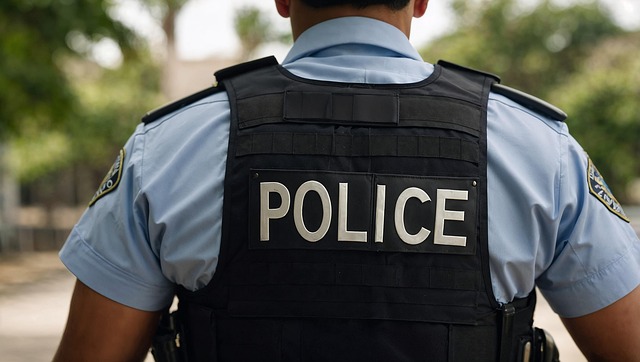
Police questioning is an important part of criminal investigations. Statements made during an interview can influence how investigators interpret evidence, identify potential suspects, and build a case for prosecution. However, the way questioning is conducted can also raise concerns about fairness, accuracy, and individual rights. People facing criminal allegations may benefit from understanding their legal protections before speaking with investigators. Consulting a defense attorney can help individuals understand their rights during questioning and the potential consequences of providing statements in a criminal investigation.
The Role of Police Questioning in Criminal Investigations
Police officers question suspects, witnesses, and other individuals to gather information about alleged criminal activity. These interviews may help establish timelines, identify inconsistencies, clarify events, and determine whether additional investigation is necessary.
Statements obtained during questioning can become important evidence in criminal proceedings. Prosecutors may use them to support allegations, while defense lawyers may examine whether the statements were obtained accurately and lawfully.
The circumstances surrounding an interview matter. Investigators must follow applicable legal procedures, and the reliability of a statement may depend on whether the individual understood the questions, felt pressured, or had an opportunity to exercise their legal rights.
How Questioning Techniques Can Influence Statements
Different questioning methods can produce different responses. Open-ended questions generally allow individuals to explain events in their own words, while leading questions may suggest a particular answer or influence how someone remembers an incident.
Repeated questioning can also affect the accuracy of statements. When individuals are asked the same questions multiple times, they may become uncertain about details or feel pressure to provide answers that satisfy investigators.
In some situations, aggressive questioning, intimidation, or misleading statements may create concerns about whether an admission was voluntary. These circumstances can become relevant when courts evaluate the admissibility and reliability of evidence.
Understanding the Right to Remain Silent
One of the most important protections during police questioning is the right against compelled self-incrimination under the Fifth Amendment to the United States Constitution.
In custodial interrogation, Miranda warnings generally inform individuals of their right to remain silent and their right to have an attorney present during questioning. These warnings are required before law enforcement conducts custodial interrogation, subject to applicable legal exceptions.
A person who wishes to exercise the right to remain silent should communicate that intention clearly. Similarly, an individual who requests legal counsel during custodial questioning may trigger important protections under established constitutional rules.
Understanding these rights can prevent confusion during stressful encounters with law enforcement. A defense attorney can explain how constitutional protections apply to a particular situation and whether statements obtained during questioning may be challenged.
The Impact of False Confessions and Coercive Questioning
False confessions can create serious problems within the criminal justice system. Individuals may admit to conduct they did not commit for several reasons, including psychological pressure, fear, exhaustion, confusion, or a desire to end an intimidating interview.
Young people and individuals with cognitive or communication difficulties may face additional challenges when questioned without appropriate safeguards.
Coercive interrogation practices can also undermine the reliability of statements. Courts may examine factors such as the length of questioning, threats, promises, physical conditions, and the individual’s ability to understand the situation.
A confession does not automatically establish guilt. Its reliability and admissibility must be evaluated alongside the surrounding circumstances and other available evidence.
When Can Police Statements Be Challenged in Court?
Not every statement obtained during police questioning is automatically admissible in a criminal trial. Courts may consider whether constitutional requirements were followed and whether the statement was voluntary.
For example, statements obtained through custodial interrogation without required Miranda warnings may be subject to exclusion from the prosecution’s case-in-chief, depending on the circumstances. Other constitutional violations or coercive practices may also provide grounds for challenging evidence.
The defense may examine interview recordings, police reports, witness accounts, and interrogation records to identify inconsistencies or procedural concerns.
The timing of legal representation can also matter. An attorney can review the circumstances of questioning, assess whether the individual’s rights were respected, and determine whether a motion to suppress statements may be appropriate.
Why Accurate Documentation Matters
Recording police interviews can help preserve an accurate account of what occurred. Audio and video recordings may reveal the questions asked, the responses provided, the duration of questioning, and whether investigators made statements that could affect the interview.
Documentation also helps courts and legal representatives examine whether a statement has been accurately presented. A written summary alone may not always capture the full context of an exchange.
Individuals involved in criminal investigations should avoid guessing about events or signing statements they do not understand. Requesting clarification and seeking legal advice can help prevent misunderstandings that may later complicate a case.
The Importance of Legal Representation During Questioning
Criminal investigations can move quickly, and individuals may not fully understand the legal consequences of their statements. Professional legal guidance can help protect constitutional rights and ensure that questioning procedures are examined carefully.
A defense attorney can evaluate whether an interview was conducted lawfully, review the evidence obtained, and identify possible defenses if the case proceeds to court. Legal representation may be particularly important when allegations involve serious offenses, disputed facts, or potentially unreliable statements.
Conclusion
Police questioning can significantly influence the direction and outcome of criminal cases. Although interviews are an important investigative tool, improper questioning, coercion, and unreliable statements can threaten the fairness of criminal proceedings.
Understanding constitutional protections, recognizing the importance of voluntary statements, and ensuring that evidence is properly documented can help protect the integrity of the justice system. When questioning raises concerns about individual rights or procedural violations, appropriate legal review can help determine whether the resulting evidence should be considered in court.





Recent Comments