
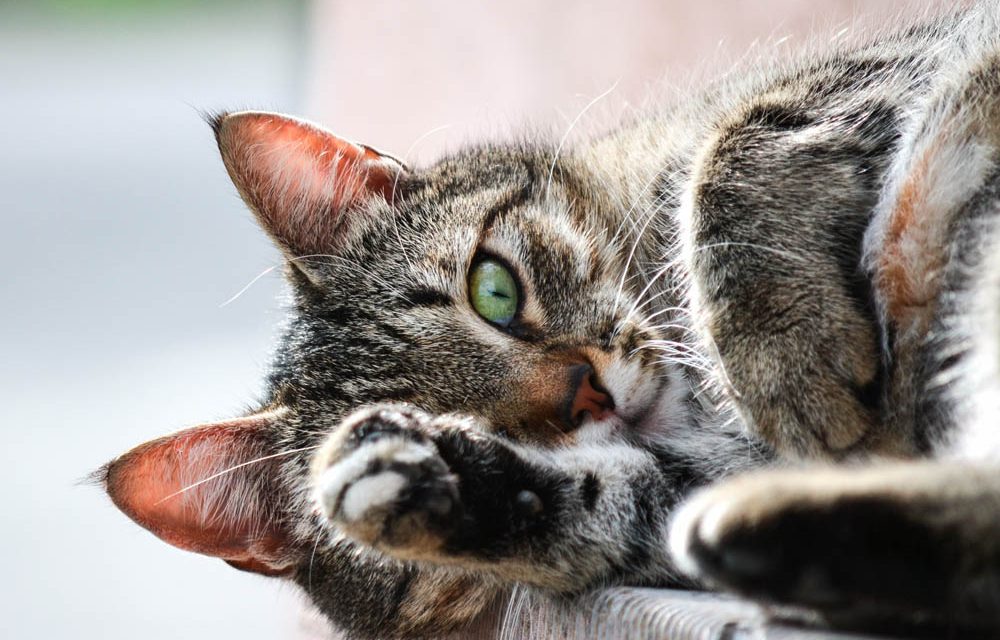
Living with a cat means gradually learning a whole language of little behaviors. The way a cat greets you in the morning, chooses a favorite sleeping spot, reacts to visitors, or suddenly becomes fascinated by an empty cardboard box can tell you a lot about its personality.
For many cat owners, understanding these habits becomes part of the fun of sharing a home with a pet. But there is another side to getting to know your cat: learning more about its background and the traits that may have shaped the animal you see every day.
Why Your Cat’s Background Can Be Interesting
Cats can have surprisingly diverse genetic backgrounds, even when their appearance seems fairly ordinary. A short-haired cat with a particular coat pattern may have ancestors from several different populations, while a cat with distinctive physical features may carry genetic traits associated with particular breeds.
This is especially interesting for owners of adopted or rescued cats. When there is little information about a cat’s parents, its appearance may provide only part of the story. Genetic information can offer another way to explore where certain characteristics may have come from.
A cat’s background is not simply about putting it into a breed category. It can also provide an opportunity to learn more about inherited characteristics and understand why individual cats can look and behave so differently from one another.
For curious owners, a cat dna test for breed can be one way to explore these questions. Depending on the testing service, genetic analysis may provide information about breed-related ancestry and other inherited characteristics. It is important to remember that genetic results are best viewed as additional information rather than a complete explanation of your cat’s personality.
Personality Is More Than Genetics
One of the most enjoyable parts of having a cat is discovering its unique personality. Some cats confidently investigate every new object in the house, while others prefer to observe from a safe distance. Some demand attention throughout the day, whereas others are perfectly happy spending hours independently.
Genetics can play a role in physical characteristics and certain behavioral tendencies, but a cat’s environment matters too. Early experiences, socialization, household routines, age, and relationships with people and other animals can all influence behavior.
This is why two cats with similar backgrounds can still have completely different personalities.
Rather than expecting a genetic result to predict exactly how your cat will behave, it can be more helpful to use the information as one piece of a much larger picture. Your cat’s daily habits and individual preferences remain just as important.
Turning Curiosity Into Better Pet Care
Learning more about your cat can also encourage you to become a more observant pet parent. Small changes in behavior can sometimes be easy to overlook when you see your pet every day.
Try paying attention to patterns rather than isolated moments. Does your cat become more playful at a particular time of day? Does it prefer certain textures for sleeping? Is there a specific toy that always gets a reaction? Does your cat hide when something changes in the home?
Keeping simple notes can help you recognize what is normal for your individual pet.
This kind of observation can be particularly useful when introducing changes to your cat’s environment. Moving furniture, bringing home a new pet, changing feeding routines, or moving to a new home can affect how a cat behaves. Knowing its usual personality makes unusual changes easier to notice.
Of course, behavioral changes can sometimes have medical causes. If a cat suddenly stops eating, becomes unusually withdrawn, shows signs of discomfort, or develops other concerning symptoms, a veterinarian should be consulted rather than relying on genetic information alone.
Making Life With Your Cat More Personal
There is something special about realizing that your cat is not simply “a cat,” but an individual with its own history, preferences, quirks, and routines.
Exploring ancestry can add another layer to that experience. Whether your cat has a recognizable breed background or a wonderfully mixed genetic story, the results can become a starting point for learning more about the animal you share your home with.
The most valuable part, however, is often what happens after satisfying that initial curiosity. You may start noticing details you previously overlooked, understanding your cat’s preferences more clearly, and appreciating just how unique its personality really is.
Being a thoughtful cat owner is not about knowing everything about your pet. It is about staying curious, paying attention, and creating an environment where your cat can feel comfortable and understood. Sometimes, learning a little more about where your cat came from simply makes the experience of discovering who they are even more enjoyable.




Recent Comments