
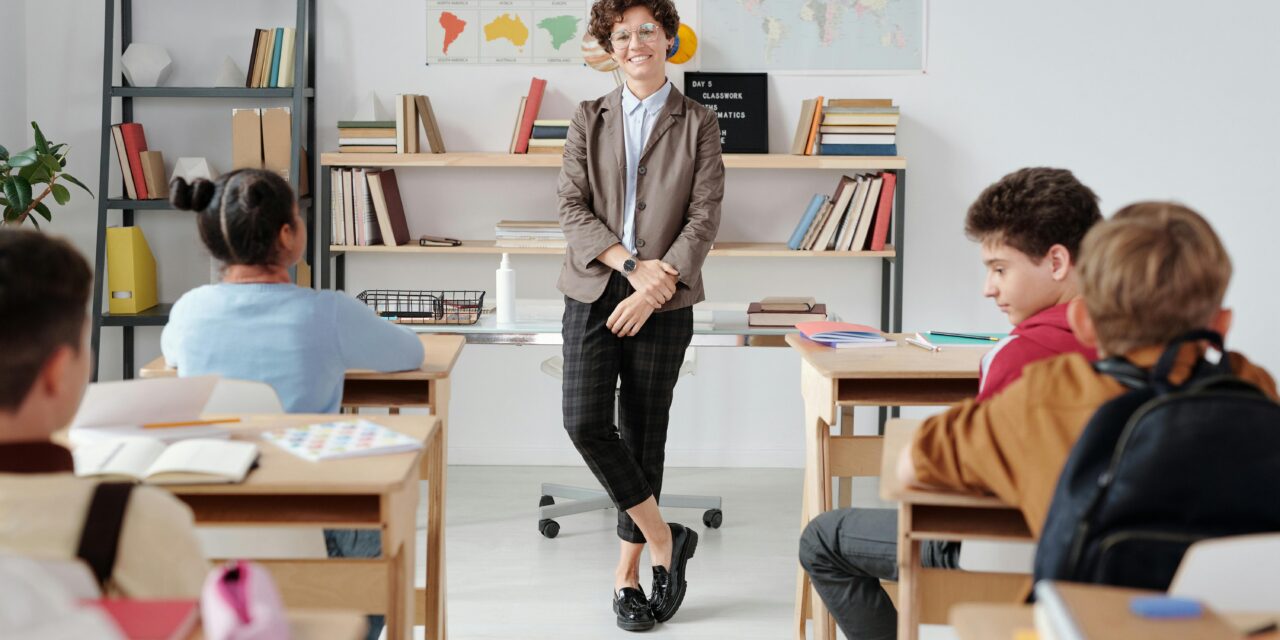
Education shapes more than academic outcomes. It influences confidence, opportunity, and long-term success. Educators today face growing expectations, diverse classrooms, and constant change. At the same time, they hold the power to create meaningful progress when they use the right strategies. Driving real impact in education goes beyond lesson plans and test scores. It requires intention, adaptability, and a strong understanding of student needs. When educators focus on practical approaches that support learning, inclusion, and growth, they can make a lasting difference in their classrooms and communities.
This article explores key strategies educators can use to strengthen their influence and create meaningful, measurable impact in education.
Focus on Student-Centered Learning Approaches
Educators create stronger outcomes when they place students at the center of the learning process. This approach starts with understanding how students learn, what motivates them, and where they may struggle. When lessons connect to real interests and lived experiences, students show higher engagement and stronger retention. Student-centered learning also encourages choice, which helps learners take ownership of their progress. Instead of relying on a single teaching style, effective educators adjust instruction to meet different learning needs. This flexibility allows classrooms to become spaces where curiosity grows, and students feel confident participating.
Prioritize Support for Students With Special Education Needs
Supporting students with special education needs requires patience, structure, and informed decision-making. Early identification plays a key role in helping students access the right resources before challenges grow. Educators who understand assessment methods and learning differences can create targeted strategies that support long-term growth. Advanced training strengthens this ability. For example, an educational diagnostician degree from a top institution such as Northwest Missouri State University can help educators build strong evaluation skills and develop appropriate intervention plans. This knowledge allows professionals to collaborate more effectively with families and specialists while ensuring students receive meaningful and consistent support.
Build Strong Relationships With Students and Families
Positive relationships form the foundation of effective teaching. When students feel respected and understood, they show greater trust and motivation. Educators who take time to listen and communicate clearly can better identify academic and emotional needs. Family engagement also plays an important role. Regular communication helps align expectations and reinforces learning outside the classroom. Strong partnerships between educators and families create consistency, which supports student progress. These connections do not require complex systems, but they do require intention and follow-through.
Use Data to Inform Instruction, Not Replace Judgment
Data offers valuable insight when used thoughtfully. Assessments, observations, and progress tracking help educators understand where students succeed and where they need support. However, numbers alone do not tell the full story. Effective educators balance data with professional judgment and daily classroom experience. This approach allows them to adjust instruction while still responding to individual needs. Data should guide decisions, not limit creativity or flexibility. When educators interpret information within the context of student behavior and effort, instruction becomes more responsive and effective.
Commit to Ongoing Professional Development
Education continues to evolve, and effective educators grow with it. Ongoing professional development strengthens instructional skills and deepens understanding of student needs. Workshops, certifications, and advanced degrees provide opportunities to learn new strategies and refine existing ones. This commitment also supports career growth and leadership opportunities. Educators who invest in learning model curiosity and resilience for their students. Continuous development ensures teaching practices remain relevant, ethical, and aligned with current research.
Create Inclusive and Welcoming Classroom Environments
An inclusive classroom allows every student to feel respected and supported. Educators play a key role in setting this tone through their expectations, language, and daily interactions. Simple actions, such as using inclusive materials and encouraging respectful dialogue, help students feel safe expressing themselves. When students believe they belong, they participate more actively and take greater academic risks. Inclusion also requires awareness of different cultural, social, and learning backgrounds. By recognizing these differences and responding with empathy, educators create spaces where students can focus on learning rather than fitting in.
Encourage Critical Thinking and Problem-Solving Skills
Education should prepare students to think independently and make informed decisions. Encouraging critical thinking helps students move beyond memorization and develop deeper understanding. Educators can support this growth by asking open-ended questions and allowing time for discussion. Real-world scenarios also help students see the relevance of what they learn. When students analyze problems and explore multiple solutions, they gain confidence in their reasoning. These skills support academic success and prepare learners for challenges beyond the classroom.
Adapt Teaching Methods to Changing Educational Needs
Student needs continue to change as technology, learning environments, and social expectations evolve. Educators who adapt their teaching methods remain effective and relevant. This adaptability may involve integrating new tools, adjusting instructional pacing, or responding to shifts in student behavior. Flexibility allows educators to meet learners where they are rather than relying on outdated approaches. When educators remain open to change, they create learning experiences that stay engaging and meaningful.
Measure Impact Through Growth, Not Just Outcomes
True educational impact often appears in gradual progress rather than immediate results. Growth may show in improved confidence, stronger communication skills, or increased persistence. Educators who focus on growth recognize effort and improvement alongside achievement. This perspective encourages students to view learning as a process rather than a fixed outcome. By valuing development over perfection, educators help students build resilience and motivation.
Education holds the power to shape how students see themselves and their potential. When educators choose inclusive practices, promote thoughtful learning, and remain open to collaboration and change, they influence more than academic performance. Their work helps students develop skills, confidence, and adaptability that extend far beyond the classroom. The impact of these choices often unfolds over time, carried forward in the way students think, interact, and approach future challenges.




Recent Comments