
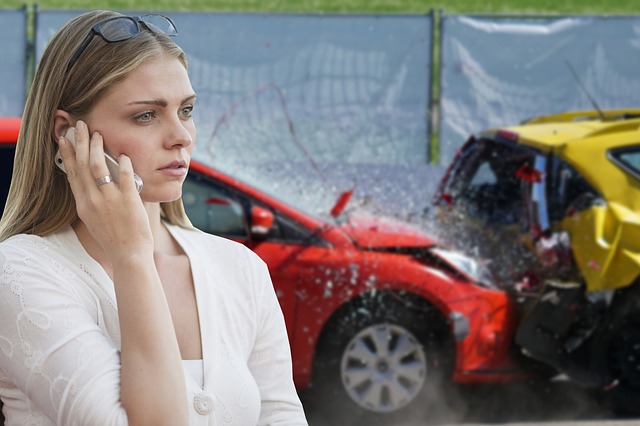
Baltimore has a way of moving fast and slow at the same time. One minute it’s normal life, honking on Pratt, squeezing past a double parked car in Canton, walking down a rowhouse block with a coffee. The next minute, a fall on a busted step. A crash that crumples a bumper and, quietly, a shoulder. A dog bite that turns a quick errand into an ER visit.
And then comes the weird part.
Not just the pain, though that can be loud. It’s the paperwork. The phone calls. The little decisions that suddenly feel like they matter more than they should. Should the insurance adjuster get a recorded statement? Is it smart to wait “a few days” to see if the back pain goes away? What if it doesn’t go away?
People talk about accidents like they’re a single event. In real life, an accident is a chain reaction. It keeps going. Sometimes for months.
The day after is when it gets real
The first hours after an injury are usually adrenaline and logistics. Get home. Get the car towed. Find an open urgent care. Text work. Cancel plans. Easy, in a grim way.
The next day is different. You wake up, and everything is stiff. The bruise blooms like it’s showing off. Your phone has a voicemail that sounds friendly but isn’t: an insurance rep “just checking in.”
This is where Baltimore-specific reality kicks in. The city is full of tight intersections, quick merges, pedestrians popping out between parked cars, and construction that reroutes traffic like a surprise game. That means a lot of accidents have messy facts. Who had the light? Who was in the crosswalk? Was the street slick? Was the stairwell lit?
Messy facts turn into messy claims. And the insurance company loves messy, because messy slows things down.
If there’s one early move that helps, it’s getting organized before anyone else organizes the story for you. A few basics:
- Get medical care early, even if it feels “minor.” Soft tissue injuries and concussions can be sneaky. Waiting can make treatment harder, and it also gives the other side room to argue it wasn’t serious.
- Take photos like a detective. Scene, injuries, shoes, stairs, potholes, broken handrails, torn clothing, the whole vibe.
- Write a short timeline while it’s fresh. Not a novel. Just a simple “what happened, where, who was there” note.
- Be careful with casual comments. “It was probably my fault” is the kind of sentence that haunts people.
And yes, this is also the moment many folks start looking for guidance, because doing it alone feels like trying to read a foreign language while somebody taps their foot waiting for an answer. That’s where a conversation with a personal injury attorney Baltimore locals trust can fit naturally.
Maryland has a rule that can surprise people
Here’s the part that catches people off guard, especially if they’ve lived in other states.
Maryland is strict about fault. In plain terms, if an injured person is found to have contributed to the accident, even a little, it can seriously damage a claim. That reality changes how careful you have to be with statements, evidence, and timing.
Sounds unfair? Plenty of people feel that way. But the fairness debate does not change what happens when a claim is evaluated. It just means strategy matters earlier than most folks expect.
So what does “strategy” actually look like when you’re not trying to be dramatic?
It looks like not guessing about what happened.
It looks like not posting a chirpy “Back at it” gym selfie two weeks after a crash.
It looks like keeping follow up appointments.
It looks like letting professionals handle the back and forth when emotions are high, and pain makes everything fuzzy.
Because once the story is written down, it can be hard to rewrite it.
The common Baltimore injury situations, and why they’re all different
People lump injuries into categories, but the details change everything. Two car crashes can look similar in photos and still have completely different issues under the hood.
Car and truck collisions
Baltimore’s mix of highways and tight neighborhood streets creates a special blend of accident types. High speed impacts on 95 or 83. Fender benders that turn into neck injuries. Side swipes near exits. Delivery vehicles are stopping suddenly. And sometimes, the question isn’t just “who hit who,” it’s “who was working” and “who owns what.”
Slips, trips, and falls
A fall sounds simple until it isn’t. Was the hazard obvious? Was there warning signage? How long had it been there? Was the lighting bad? Was the handrail loose? In rowhouse neighborhoods, even a single cracked step can become a serious hazard, especially in winter.
Medical negligence
This one is emotionally heavy. When an injury comes from treatment, people often hesitate. They second-guess themselves. “Maybe it’s just a complication.” Sometimes it is. Sometimes it isn’t. And the only way to sort that out is by looking at records, timelines, and what should have happened.
Dog bites and other bite injuries
Dog bites are not only about the wound. They can involve infection risk, scarring, trauma, and, in kids, a real fear of walking around the neighborhood afterward. And yes, it can involve neighbors. Awkward.
Wrongful death
Nobody wants to think about this. But when it happens, families are suddenly asked to handle paperwork while grieving. It’s exhausting. The legal process can feel cold, but it can also be the only structured way to get answers and accountability.
What a claim is really about: proof, money, and time
A personal injury claim is not just “someone got hurt.” It’s a specific argument built out of evidence.
- Duty: The other party had a responsibility to act with reasonable care.
- Breach: They did not.
- Causation: That failure caused the injury.
- Damages: The injury created real losses.
That last part, damages, is where people get frustrated. Because it’s not only the ER bill. It’s the physical therapy. The time off work. The rides to appointments. The days you cannot pick up your kid or stand long enough to cook dinner. The way sleep gets messed up.
Insurance companies tend to focus on what’s easy to calculate. Humans live in what’s hard to calculate.
A helpful way to think about it is this: the claim is a story, but it’s a story that has to be proven with receipts, records, and logic.
The quiet mistakes that can shrink a case
Some mistakes are obvious. Others are weirdly normal.
- Waiting too long to get treatment. Not because pain “isn’t real” later, but because the gap becomes an argument.
- Downplaying symptoms. People do this to seem tough. Then it shows up in medical notes. Then the insurance company uses those notes.
- Giving recorded statements too early. Friendly questions can become sharp tools.
- Not following doctor instructions. If the plan says physical therapy and it doesn’t happen, it can look like the injury wasn’t that bad.
- Throwing away evidence. Shoes from a fall. A broken phone from a crash. A helmet. The stuff that tells the story without words.
And here’s a rhetorical question that matters: if the other side is taking the claim seriously, why wouldn’t you?
A quick word about deadlines, because time moves fast when you’re hurt
Even if someone wants to “wait and see,” the legal system does not wait politely. There are deadlines for filing claims, and missing them can end the case, even if everything else is strong.
Also, evidence gets worse with time. Security footage disappears. Witnesses forget. Construction repairs the hazard. Cars get fixed. Medical records get harder to interpret without the early details.
So no, nobody needs to sprint into a lawsuit. But drifting for a year and hoping it works out is not a plan. It’s a gamble.
Baltimore safety is a real conversation, not just a slogan
It’s worth zooming out for a second. Injuries are personal, but they’re also connected to how a city functions. Road design. Enforcement. Crosswalk timing. Bike lanes. Construction zones. Public input. All of it.
If you’re curious how the state has talked about this, there’s been coverage on issues like road safety improvements for pedestrians and bicyclists. And yeah, reading that kind of thing hits different after an injury. Suddenly it’s not abstract.
It’s that intersection you cross all the time.
So what should someone actually do?
Here’s the practical, real-life checklist that tends to help people in Baltimore:
- Get medical care and follow through.
- Document the scene and injuries.
- Keep a simple folder. Bills, notes, appointment dates, missed work.
- Avoid casual statements that assign blame.
- Treat insurance calls like business, not therapy.
- If the situation is serious, complicated, or already tense, get legal guidance early.
Because the goal is not drama. The goal is stability. Getting treatment covered. Getting wages back if work is missed. Making sure the long term impact is taken seriously.
And maybe, just maybe, keeping one rough day from turning into a rough year.




Recent Comments