
Maryland is often praised for its unique mix of bustling cities, quiet suburbs, and scenic countryside. Residents can experience everything from the energy of Baltimore to the calm, close-knit communities along the Chesapeake Bay, all within a relatively small geographic area.
However, the rising cost of living in Maryland is reshaping that experience. Increasing expenses tied to housing, public transportation, and everyday necessities are pushing many residents to rethink how they manage their finances. As a result, household budgeting strategies and spending habits are shifting in noticeable ways.
Housing Costs as a Central Pressure Point
For most households in Maryland, housing continues to be their largest expense. The changes in real estate markets have been felt nationwide, especially in areas near major employment centers such as Annapolis, Bethesda, and Towson, where home prices skyrocketed over the last ten years. Although a partial cooling-off has taken place, the strong demand is still forcing prices to exceed normal levels in the most important markets.
These soaring expenses put Marylanders in a position where they have to rethink their financial strategies very carefully. Some families are even starting to use short-term loans to bridge the gap between paychecks. Information about the average interest rate for payday loan and other financing options is useful if they’re looking for an option that suits their needs.
Changing Transportation Choices
Transportation cost is one of the major elements that have a great significant impact on financial decisions. One of the main reasons why people are commuting for long distances is that a big percentage of the population in Maryland is within the radius of the main cities of the East Coast. People have found it more costly to commute due to the fluctuation of prices of fuel coupled with the increase in the costs of vehicle maintenance and insurance.
Several workers have moved next to their offices to cut down on travel expenses. Many residents have also turned to remote or hybrid work arrangements as a way to reduce daily expenses. At the same time, the rising cost of public transportation has become a growing point of debate, adding another layer of financial pressure for commuters across the state. Every time systems such as the MARC trains and town buses alter the fare, passengers always watch the changes closely and revise their budgets accordingly.
Food, Utilities, and Everyday Expenses
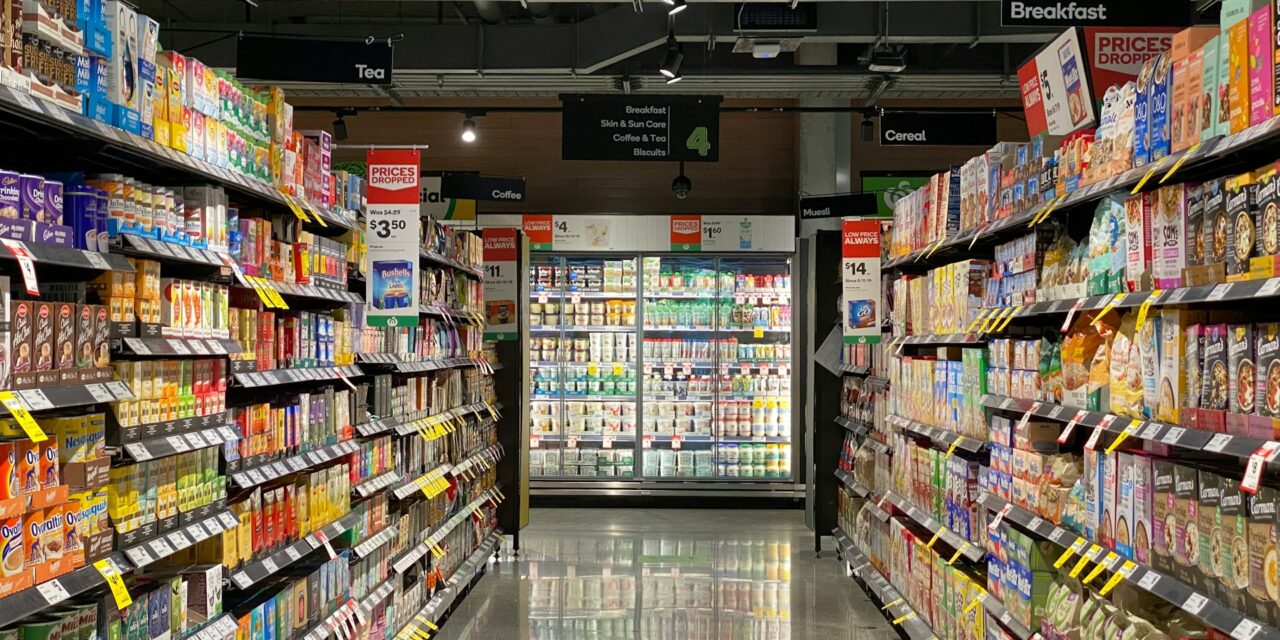
Marylanders’ financial activities are being impacted not just by the few high-tech items but also by the daily living expenses that are reshaping the residents’ budgeting as well. In particular, food prices with fresh fruits, vegetables, and other staples have significantly gone up over the years. Households are responding to this by changing their shopping lists, buying larger quantities and relying on discounts or membership stores to get the most out of their money.
Besides that, utility expenses such as electricity and heating have continued to put a strain on the household budgets. Some households are resorting to energy-saving measures or carrying out minor renovation works for energy efficiency. These small costs add up and put pressure on families. The costs for these must-need repairs offset that pressure and often find a place with their budgets.
Balancing Today With Tomorrow
Faced with changes in cost-of-living, Maryland residents still manage to adapt and make cautious financial decisions. Their daily decisions relating to life, work, savings, and spending seem to be quite reflective of the changes that are occurring in the environment. In spite of the fact that there are still difficulties, a lot of households are coming up with ingenious ways to meet their needs, and at the same time, setting goals for the future.




Recent Comments