
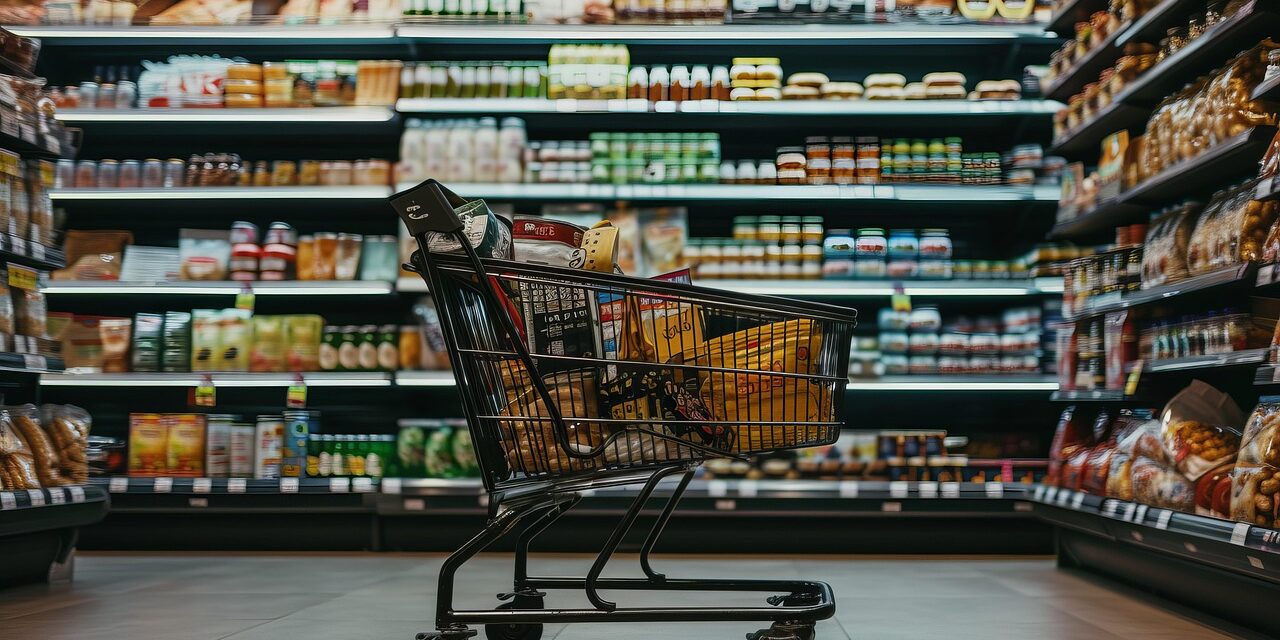
The retail industry is evolving rapidly with the help of computer vision technology. Across the United States, stores are using this innovation to manage inventory, enhance customer experiences, and improve operational efficiency. Computer vision helps retailers monitor products, stock levels, and customer behavior with remarkable accuracy.
Major brands like Walmart, Target, and Amazon are already leveraging computer vision to gather real-time data, reduce costs, and make smarter business decisions. Inventory management has become more precise than ever, allowing stores to detect empty shelves, restock automatically, and optimize their layouts.
Let’s explore how computer vision is reshaping the retail landscape and revolutionizing how businesses see and interact with their environments.
Understanding Computer Vision in Modern Retail
Computer vision enables machines to interpret and understand visual information. In retail, it uses image recognition and machine learning to provide valuable insights about store operations and customer preferences.
These systems allow retailers to track customer movement, analyze product placement, and even predict future buying behavior. Over time, machine learning models become more accurate by processing large sets of visual data, helping stores recognize products, count inventory, and study shopper behavior in real time.
By turning simple camera footage into meaningful data, computer vision gives retailers the power to make smarter decisions and create more personalized shopping experiences that resonate with modern consumers.
Benefits of Using Computer Vision Libraries in Retail
Retailers are adopting computer vision libraries to automate processes and unlock new efficiencies. Here are some of the main advantages:
- Smarter Inventory Management
Computer vision helps track stock levels automatically, reducing manual errors and ensuring shelves are never empty. Stores can now maintain accurate, real-time visibility into inventory and restocking needs. - Enhanced Customer Experience
Smart cameras analyze customer behavior, helping retailers optimize store layouts and product placement. By understanding shopping habits, retailers can offer personalized recommendations and improve overall satisfaction. - Higher Operational Efficiency
Automation powered by computer vision reduces labor costs and boosts productivity. Algorithms detect product details, shelf availability, and inventory issues faster than humans, leading to smoother operations.
Industry leaders like Amazon and Walmart have already seen improvements in accuracy, speed, and customer satisfaction after integrating computer vision into their systems.
Real-Time Inventory Tracking and Management
Computer vision libraries have revolutionized inventory management through real-time tracking and automation. Retailers can instantly see product quantities, monitor restocking needs, and even trigger automatic replenishment.
Smart cameras and sensors detect empty shelves and send alerts or place orders automatically, minimizing human error and keeping products consistently available.
Additionally, these systems optimize shelf organization, ensuring that products are displayed effectively and customers can find what they need quickly. With faster decision-making and reduced waste, retailers gain a more agile and responsive supply chain.
Smart Store Operations and Customer Analytics
Computer vision also powers smart store operations by turning visual data into valuable insights about customer behavior. Retailers can monitor how shoppers move through aisles, what products attract attention, and how long they stay in specific areas.
This information helps optimize store layouts, improve product placement, and enhance marketing strategies. Retailers can design personalized promotions, refine their merchandising strategies, and increase sales by understanding what truly engages customers.
By analyzing visual data, stores can make data-driven decisions about staffing, inventory, and design while delivering customized experiences that meet shopper expectations.
Loss Prevention and Security
Computer vision plays a critical role in retail security and loss prevention. Modern surveillance systems powered by AI can identify suspicious activity in real time, helping prevent theft and ensuring a safe shopping environment.
These systems track customer movements and flag unusual behavior, such as concealing items or entering restricted areas. Machine learning continuously improves detection accuracy, allowing early intervention before losses occur.
Computer vision also helps ensure employee safety and compliance by monitoring interactions and identifying potential risks. By combining visual monitoring with inventory systems, retailers can develop comprehensive security strategies that protect both assets and people.
Supply Chain Optimization
Computer vision libraries are transforming supply chain management by providing deep insights into logistics and demand forecasting. Visual analytics allow retailers to monitor inventory in warehouses with high accuracy and analyze product movement in real time.
Machine learning algorithms identify trends and patterns, improving demand prediction and helping retailers reduce waste while optimizing distribution. This leads to lower costs, better delivery timing, and more efficient supply chains.
Quality Control and Product Recognition
Quality assurance is another area where computer vision makes a major impact. Automated inspection systems powered by computer vision can detect product flaws with exceptional accuracy.
Retailers can monitor packaging, verify labeling, and assess product condition instantly. These systems distinguish between acceptable and defective products using machine learning, reducing waste and ensuring consistent quality.
Computer vision-based quality control is now common in sectors such as electronics, food, and apparel. It enables faster inspections, fewer errors, and greater product consistency.
Integration Challenges and Implementation Strategies
Integrating computer vision into retail operations requires careful planning and technical readiness. Retailers must evaluate infrastructure, ensure compatibility with existing systems, and protect customer data.
Data privacy is one of the biggest concerns. Companies must establish strong data protection policies and comply with privacy regulations.
Staff training is equally important. Employees should understand how to use and manage new technologies effectively, with ongoing learning and hands-on experience to close knowledge gaps.
Retailers should also ensure they have the necessary network, hardware, and computing capabilities. Implementation is best done gradually through pilot projects, testing, and scaling based on performance and feedback.
Future Trends in Retail Computer Vision
The next wave of computer vision innovation is making retail smarter and more interactive. Augmented reality is reshaping the shopping experience by allowing customers to visualize products before buying them, while edge computing enables faster data analysis directly within stores.
Artificial intelligence continues to enhance vision systems, improving object detection, customer tracking, and predictive analytics. Together, these technologies are transforming stores into intelligent spaces that anticipate customer needs and provide immersive shopping experiences.
Retailers are now blending AI, AR, and computer vision to create environments that go beyond traditional shopping—offering convenience, engagement, and personalization like never before.
Conclusion
Computer vision libraries are reshaping the retail industry by improving efficiency, accuracy, and customer satisfaction. From real-time inventory tracking to loss prevention and supply chain optimization, this technology empowers retailers to make smarter, faster, and more informed decisions.
Companies such as Amazon Go and Walmart demonstrate the power of these systems in transforming both shopping and operations. As the technology becomes more accessible, retailers of all sizes can use computer vision to create smarter stores, reduce waste, and offer highly personalized experiences.
The future of retail will rely heavily on intelligent visual systems. Businesses that embrace this technology early will gain a strong competitive edge and lead the next era of data-driven retail innovation.




Recent Comments